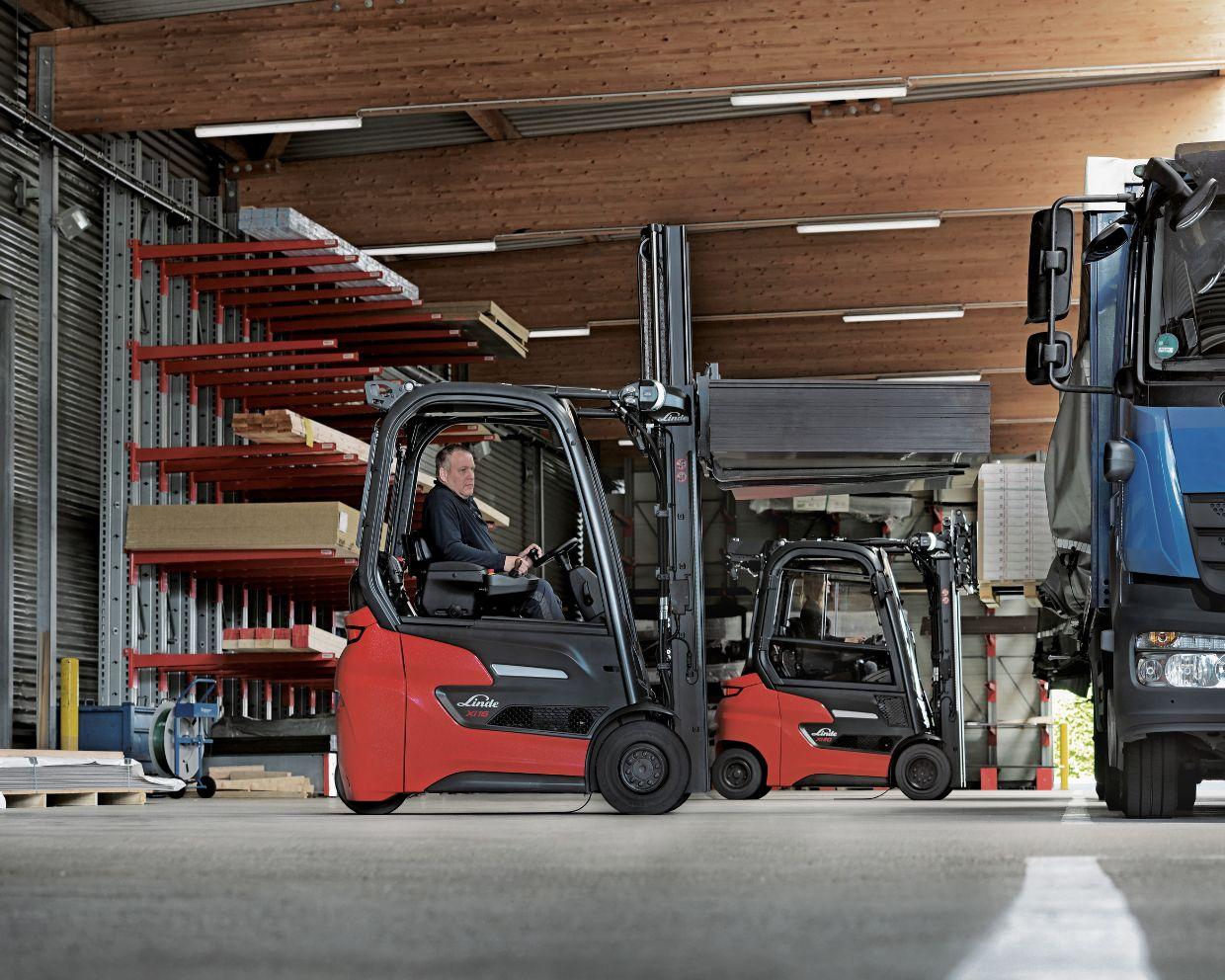
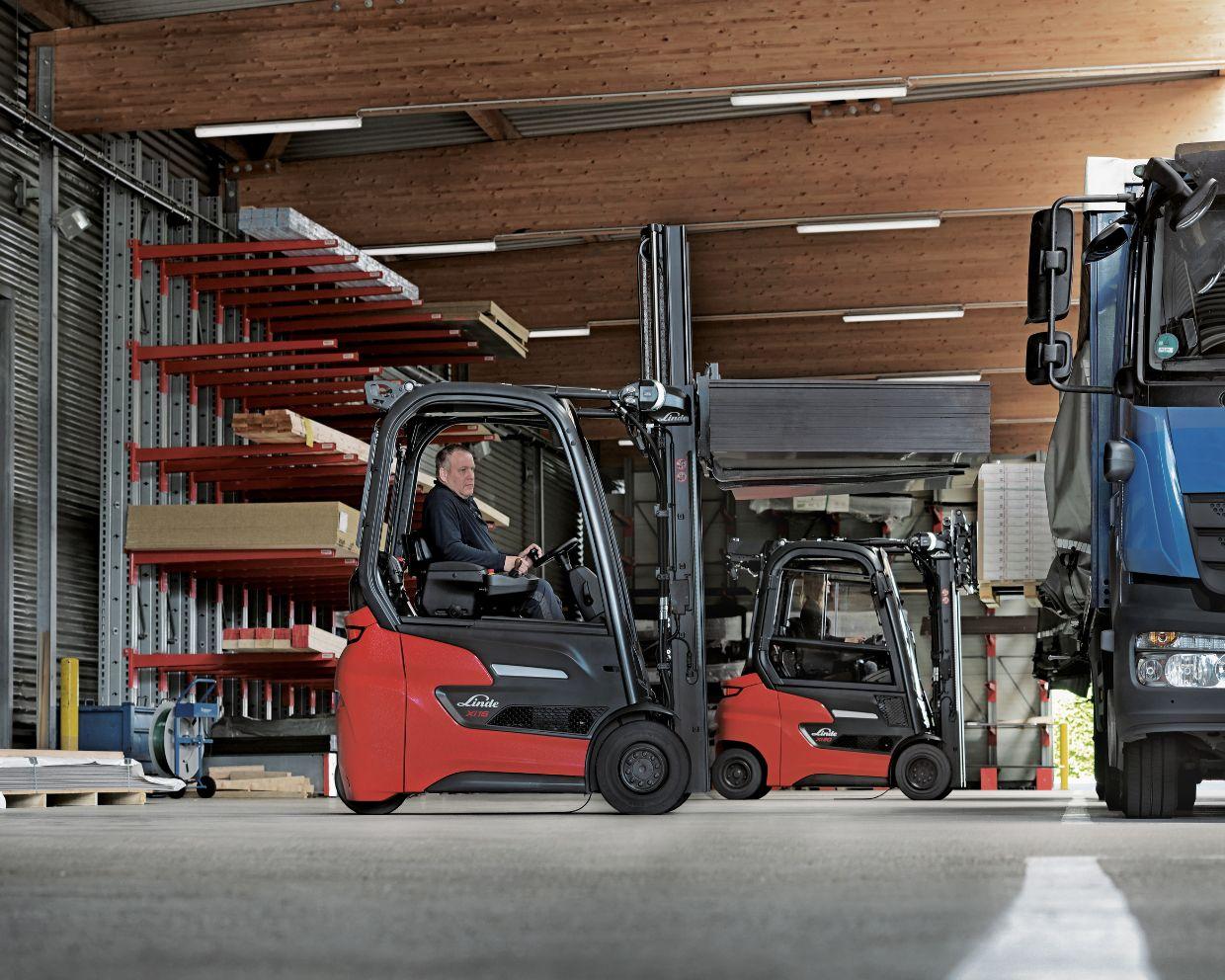
When operating electric forklifts in warehouses or industrial sites, having the correct licence is essential to ensure safe, efficient operations, and compliance with Australian workplace regulations. Proper licensing is fundamental to forklift safety and productivity. This guide unpacks the differences between the two main licence classes, LF and LO, and explains when each is required for electric, diesel and LPG forklifts.
What is an LF Forklift Licence and Who Needs It?
An LF licence, formally a High-Risk Work Licence (HRWL) for forklift trucks, allows the operator to drive powered industrial trucks equipped with a mast and elevating load carriage (with fork arms or other attachments).
This licence covers a wide array of forklifts, including:
- Standard counterbalance forklifts.
- Reach trucks and high-reach forklifts, often used in warehousing and racking operations.
- Side-loading forklifts, all-terrain forklifts, truck-mounted forklifts and other mast-equipped trucks.
Who needs an LF licence? Typically:
- Warehouse operators using standard forklifts for loading, unloading, stacking and general materials handling.
- Manufacturers, logistics centres, construction and industrial sites where forklift trucks move goods at ground level or within racking systems.
What Is an LO Forklift Licence and When Is It Required?
An LO licence is specifically for “order picking” or order picker forklifts where the operator’s platform elevates together with the load carriage.
Such equipment typically includes:
- Order-picking forklifts
- Turret trucks or Very Narrow Aisle (VNA) trucks used in narrow-aisle racking systems.
An LO licence is required when:
- Operators need to access high-level racking to pick or place stock from elevated levels.
- The forklift’s operator cab/platform lifts with the load, carrying the operator up to height.
How Do LF and LO Licences Differ from Each Other?
| Licence Class | Forklift Types Covered | Operator Position / Work Mode | Common Use Environment |
|---|---|---|---|
| LF | Counterbalance, reach, side-loaders, all-terrain, truck-mounted, high-reach mast-equipped forklifts (electric, diesel, LPG) | Operator remains seated or on ground-level platform, mast raises the load carriage only | Warehouses, docks, manufacturing, general materials handling |
| LO | Order picking trucks, turret trucks / VNAs | Operator is elevated on a platform along with the load carriage | High-racking warehouses, retail fulfilment centres, narrow-aisle distribution centres |
Because the scopes do not overlap, holding an LF licence does not permit operation of LO-classified equipment, and vice versa.
In many warehousing or distribution roles where both general materials handling and order picking are needed, businesses often require operators to hold both LF and LO licences (via combined training).
What Are the Training Requirements for Electric Forklifts?
For electric forklifts, operators must obtain an LF licence by completing a nationally accredited forklift training and assessment course (unit code TLILIC0003).
Typical requirements for training include:
- Must be at least 18 years old
- Sufficient English language skills to understand course content and safety instructions
- Competence in reading, writing and basic numeracy (for load calculations, weight/volume metrics)
- The course includes both theory and practical training, with a practical competency assessment before licence application
How Do Diesel Forklifts and LPG Forklifts Affect Licence Requirements?
The licence classification (LF or LO) is independent of the power source. Whether a forklift is powered by electricity, diesel or LPG, if it is a mast-equipped forklift with a fork carriage, and the operator remains seated or on ground level, it falls under the LF licence class.
In practice:
- A diesel counterbalance forklift requires an LF licence
- An LPG-fuelled reach truck requires an LF licence
- An electric order-picking turret truck/VNA: Requires an LO licence because of the elevated operator platform, regardless of power source
At Linde, we advise businesses to specify not only the type of forklift (mast vs order picker) but also the fuel type, when assessing the equipment for suitability, maintenance needs, and licensing compliance.
Why Is Proper Forklift Licensing Important for Safety and Efficiency?
- Compliance with Australian regulations: Operating forklifts without the appropriate HRWL (LF or LO) is illegal under the WHS framework.
- Workplace safety: Licensed operators are trained in load handling, stability, hazard awareness, pre-start and safety checks, reducing risk of accidents, injuries and load mishandling.
- Operational efficiency: Properly trained operators are more confident and proficient, leading to smoother warehouse flows, reduced downtime, fewer damages to stock or equipment, and overall productivity gains.
- Liability protection: For businesses, ensuring operators hold valid licences helps avoid fines, legal penalties, and potential insurance invalidation in the event of unlicensed forklift operation.
Having the correct licence, whether LF or LO, supports safety, compliance, and efficiency. At Linde Australia, we are committed to helping businesses match the right equipment with properly trained operators to maintain safe, productive materials-handling operations. Check out our product range at the link below: