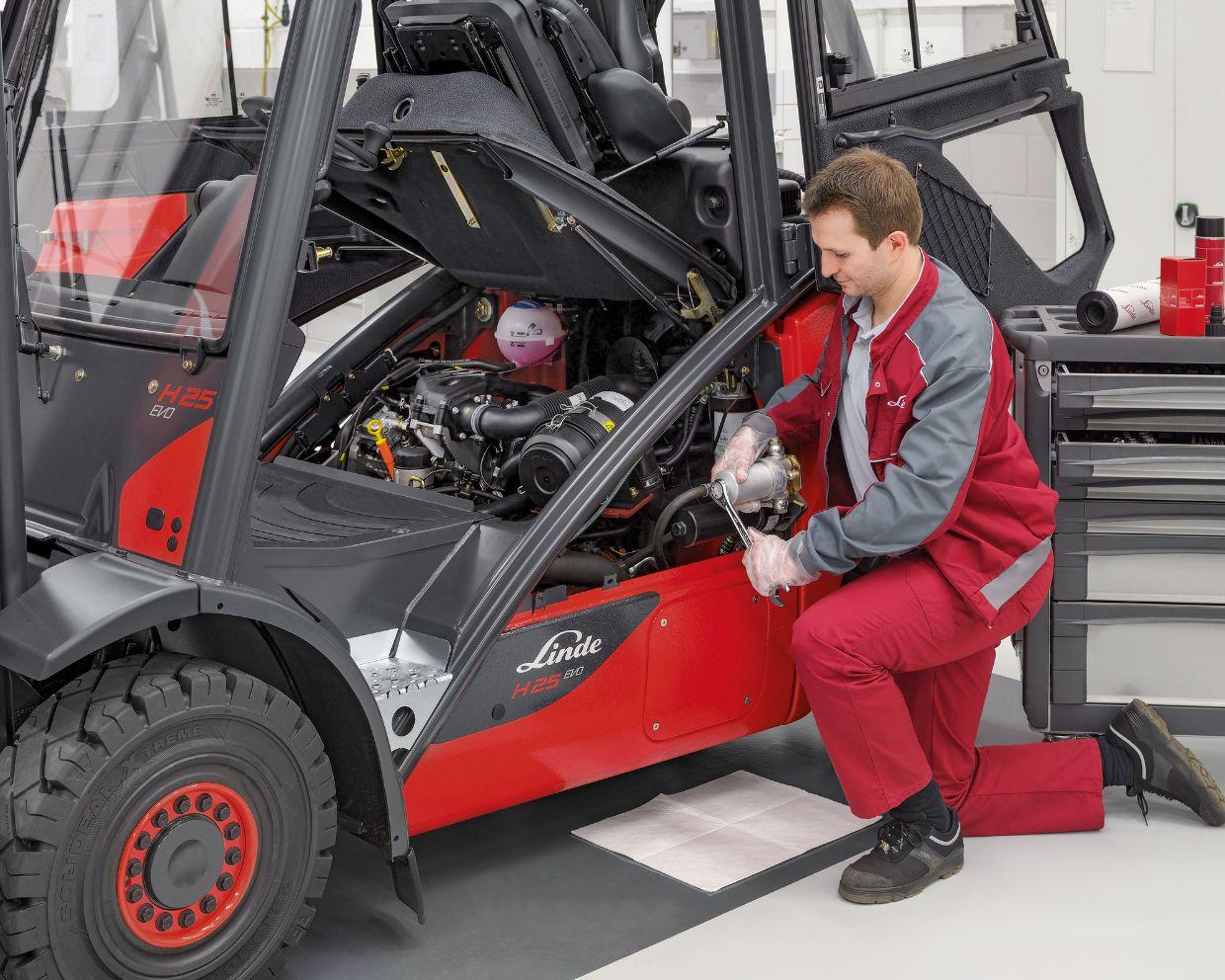
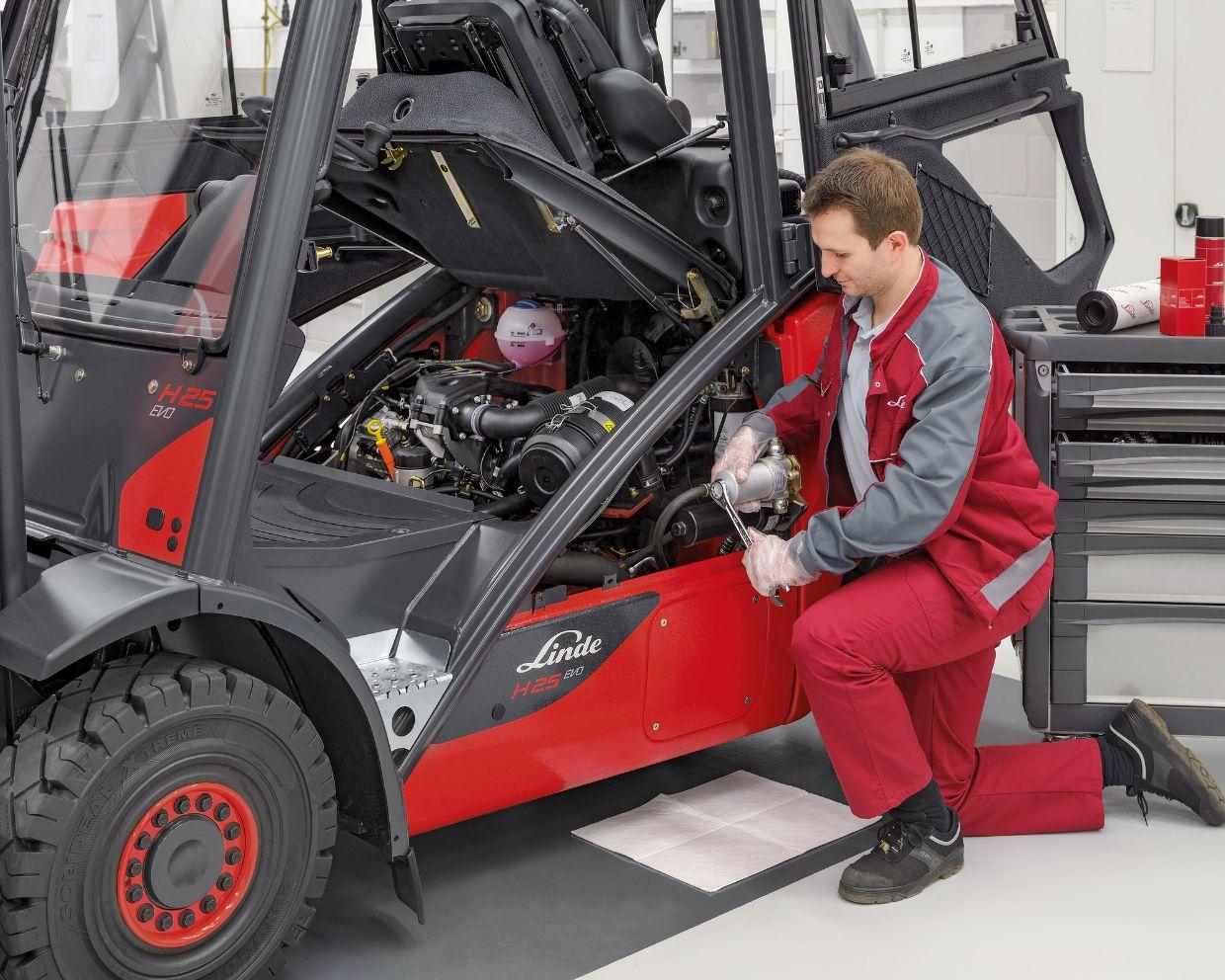
Knowing how often a forklift should be serviced is vital to maintain the safety, performance and longevity of your material-handling fleet. Whether you operate electric, diesel or LPG forklifts, regular servicing is not optional, it is your baseline for protecting staff, materials and equipment. In this article, we share insights based on the servicing philosophy of Linde Australia and general industry best practices.
Why Is Regular Forklift Servicing Important?
Regular forklift servicing delivers critical benefits to your operation:
- Safety: Routine inspections and maintenance reduce the risk of accidents due to mechanical failures, brake or steering issues, or malfunctioning safety systems.
- Reliability: Scheduled servicing helps prevent sudden breakdowns, ensuring your fleet remains operational and dependable.
- Reduced downtime and cost efficiency: Proactive maintenance is more cost-effective than reacting to breakdowns. Detecting wear early on avoids major repairs, reduces unplanned downtime, and helps maintain resale value.
- Equipment longevity: Staying on top of maintenance preserves key components, thereby extending the working life of each forklift.
At Linde Australia, we are committed to maintaining high standards of safety and performance through scheduled servicing tailored to each fleet’s needs.
How Often Should Different Types of Forklifts Be Serviced?
Service frequency depends on forklift type: electric, diesel or LPG, as well as usage intensity, operating environment and workload.
- Electric forklifts: Electric models typically require less frequent and less intensive maintenance compared with internal combustion types, due to fewer moving parts.
- Diesel and LPG forklifts: Internal combustion forklifts (diesel/LPG) usually require more regular servicing due to engine, fuel and mechanical wear.
As a general guideline followed across the industry (adapt these to actual use and manufacturer recommendations):
| Usage / Hours | Typical Schedule |
|---|---|
| Light to moderate use | Every 200–250 operating hours (roughly monthly for typical single-shift operations) |
| Moderate use | Every 500–600 hours (around every 3–4 months for regular operations) |
| High use / heavy workload / demanding environment | More frequent servicing, potentially every 200 hours or monthly depending on workload and conditions. |
| Annual or 1,000+ hours | Comprehensive inspection and major maintenance regardless of hours, especially for less-used machines. |
Service intervals should always be adjusted based on factors such as: how many hours the machine runs, the type of work and loads, environmental conditions (dust, coastal salt air, heat) and overall operating intensity.
What Are the Key Checks in a Forklift Service?
A comprehensive forklift service checklist should cover, but is not limited to, the following areas:
- Safety systems: Lights, horn, alarms, seatbelts, load-handling controls.
- Mechanical/hydraulic components: Mast, chains, lift cylinders, hydraulic hoses, fluid levels.
- Fuel or power systems: Battery condition and connections for electric forklifts; fuel lines, filters and combustion systems for diesel/LPG models.
- Tyres and brakes: Tyre wear and pressure, brake function, steering responsiveness.
- Controls and diagnostics: Steering, acceleration, hydraulic controls, onboard diagnostics (if equipped).
Linde’s certified technicians carry out these checks with state-of-the-art diagnostics, on-site servicing, and complete documentation.
How Can Regular Servicing Improve Forklift Safety?
Routine servicing plays a vital role in preventing workplace accidents and ensuring compliance:
- Ensures brakes, steering, steering lock, alarms and safety devices are working correctly, reducing risk of operator injury or cargo accidents.
- Maintains stability under load by checking mast, hydraulics, tyres and suspension so forklifts do not tip or malfunction during lifts.
- Detects early signs of wear such as cracked tyres, leaking hydraulics or frayed cables, allowing replacement before failure occurs.
- Helps meet regulatory and safety standards through proper documentation and adherence to service intervals, reducing legal and compliance risk.
How Does Regular Servicing Enhance Performance and Longevity?
Consistent maintenance keeps forklifts in peak condition, boosting performance and extending their working life:
- Reduces wear and tear on mechanical and hydraulic systems, avoiding premature failure of components.
- For electric forklifts, proper battery maintenance (fluid levels, clean connectors, correct charging cycles) ensures optimal runtime and prolongs battery life.
- Keeps forklift performance predictable, helping maintain efficient operations and consistent handling capacity over time.
- Helps preserve resale value: Well-documented and regularly serviced forklifts tend to fetch better return when sold or traded.
When Should You Schedule a Forklift Service?
To decide when to schedule forklift servicing:
- Follow the manufacturer’s service manual and recommended intervals. Linde advises basing maintenance plans on forklift type, duty cycle and actual usage.
- Use usage logs or hour meters to track operating hours and service accordingly. Heavy-use forklifts may need servicing every few weeks, light-use ones less often.
- In high-use or demanding environments (dusty warehouses, exposure to heat, multi-shift operations, heavy loads), schedule more frequent checks to prevent wear acceleration.
- For fleets with mixed forklift types (electric, diesel, LPG), coordinate maintenance plans separately for each type but manage them under a consolidated schedule. Linde can tailor these plans for you.
If your facility is high-intensity or mission-critical, proactive scheduling is key: waiting until something breaks increases downtime risk which impacts your bottom line.
How Can Linde Support Your Forklift Service Needs?
Linde offers full support to meet all your forklift servicing requirements:
- Nationwide service network with trained technicians, mobile workshops, genuine parts and rapid on-site repairs.
- Flexible service plans with scheduled inspections, emergency servicing, battery maintenance for electric forklifts, and comprehensive documentation for safety compliance or audit purposes.
- Preventative maintenance tailored to workload, environment and fleet size whether you have a single forklift or a large mixed fleet.
- Strategic planning to reduce downtime, extend equipment life and maintain efficiency, making forklift servicing a smart investment rather than a cost burden.
Contact Linde’s service team to develop a customised maintenance schedule, to conduct professional inspections or to request a full service contract.
Why Following a Forklift Service Schedule Matters
Regular servicing based on usage, forklift type and operating conditions is essential for safety, performance, longevity and cost efficiency. For electric, diesel or LPG forklifts, a structured maintenance schedule, combined with daily and periodic checks, helps prevent accidents, avoid breakdowns, and extend the life of your fleet.
As a trusted service provider, Linde Australia offers tailored maintenance plans, qualified technicians, and nationwide support, ensuring your forklifts remain reliable and productive.
Ready to get your fleet in peak condition? Click the link below to schedule a professional forklift service with Linde.