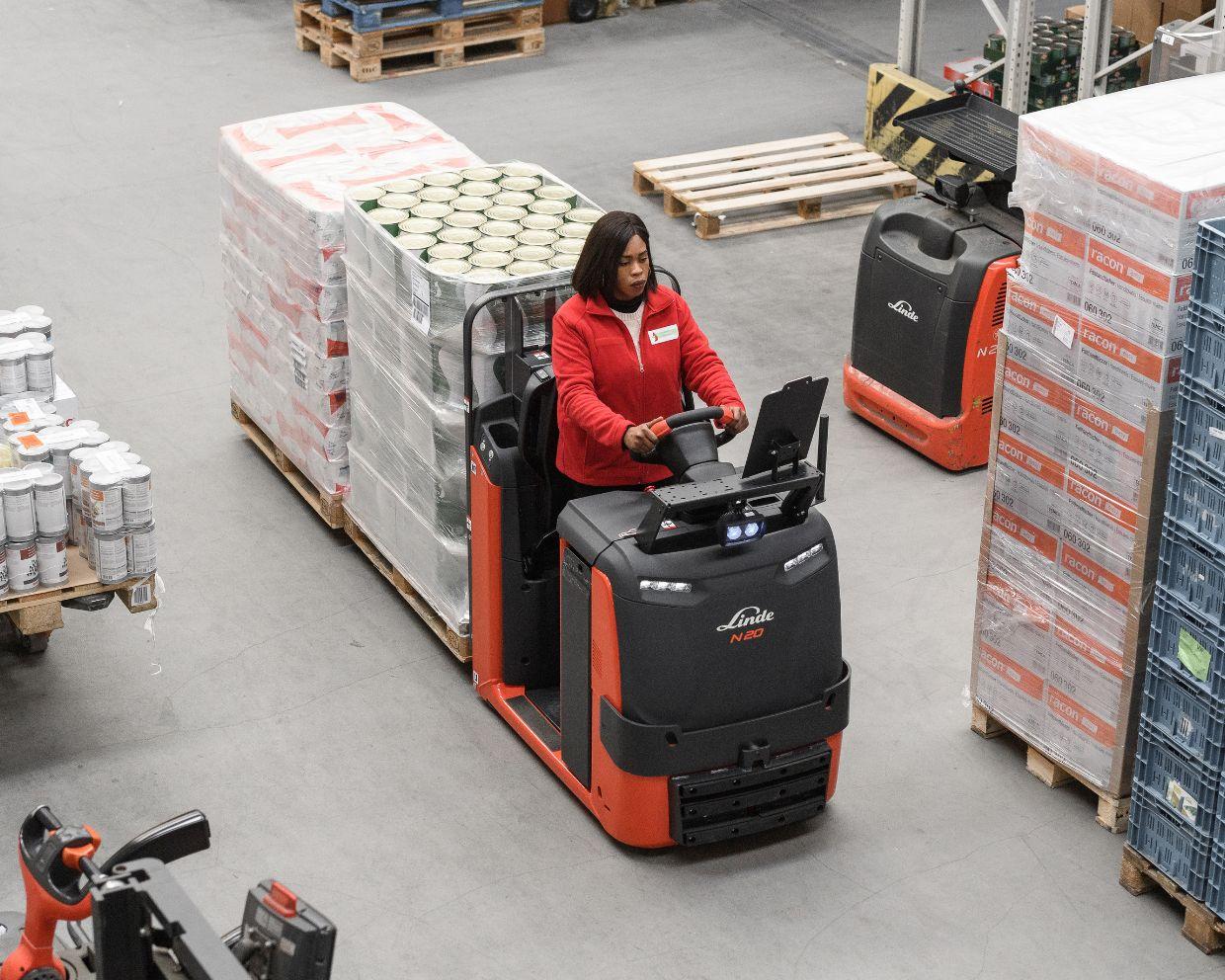
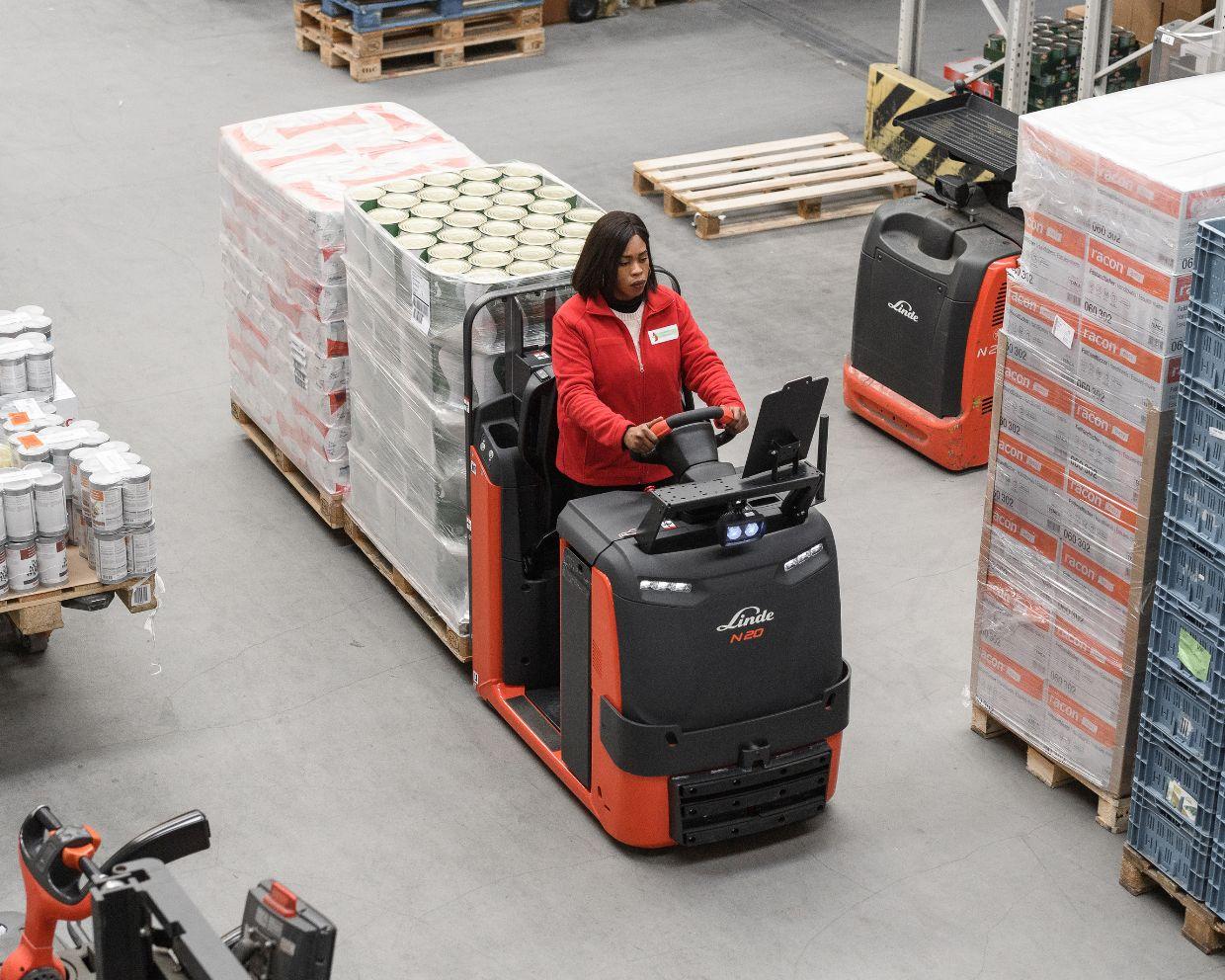
Sydney warehouses and yards rarely run at a steady pace. Retail orders spike at different times throughout the year, construction projects start and finish on their own timelines, and manufacturing output shifts with customer demand. When workloads move like this, committing hundreds of thousands of dollars to owned equipment can leave a business carrying costs it does not always need.
Instead of tying up capital in a machine that might sit idle between peaks, hiring gives you the right equipment when you need it, for as long as you need it. Without the long-term commitment that comes with ownership.
If you’ve been Googling ‘forklift hire sydney’, this article is for you. We look at why more Sydney businesses across warehousing, logistics, manufacturing and construction are choosing to hire rather than buy, and how the right equipment and the right partner can make a real difference to your bottom line.
Why is Forklift Hire a Smart Choice for Businesses in Sydney?
Buying a forklift outright is a significant decision. New units represent a substantial capital outlay, with the total cost varying widely depending on type, capacity and features — and that is before you factor in servicing, tyres, batteries, insurance and storage. For many businesses, especially those without predictable, high-volume usage, that math simply doesn’t stack up.
This is where forklifts for hire make a difference, giving you access to the equipment you need without that upfront burden. A few reasons hiring tends to make more sense for a lot of businesses:
- Lower upfront investment, since there is no large capital outlay to approve or finance
- Improved cash flow, with funds freed up for staffing, stock or other priorities
- No long-term ownership commitment, so you are not stuck with a machine your business has outgrown
- Access to modern equipment, including the latest safety features and battery technology
- Reduced maintenance responsibilities, as servicing is typically built into the hire agreement
- Greater operational flexibility to scale your fleet as demand changes
None of this means buying is the wrong choice for every business. If you run a single-shift warehouse with consistent, high-hour usage year-round, ownership can still work out cheaper over the life of the truck. But for businesses managing fluctuating demand, which describes a good portion of Sydney's logistics and construction sectors, hire is often the more practical path.
How Can Forklift Hire Help Reduce Business Costs?
The cost conversation around forklifts usually starts and ends with the purchase price, but that is only part of the picture. Ownership carries a string of costs that continue well after the invoice is paid, and hiring changes how, and when, those costs land on your books.
When you hire rather than buy, you avoid the large capital purchase altogether. Instead of a lump sum, your forklift becomes a predictable operating expense that is easier to plan around. In many cases, the hire payments is deductible in the year it is paid, rather than and asset that depreciated over several years. That is worth discussing with your accountant, since the right treatment depends on your business structure, but it is one of the more commonly cited financial advantages of hiring over buying.
Other cost benefits worth considering:
- Servicing and maintenance costs are typically included in the hire rate, so a breakdown does not become an unplanned expense
- Depreciation is no longer your problem, since a hired unit is simply returned when the job is done
- Fleet management and storage costs drop, since you are not holding onto machines between projects
- You pay for equipment when you are actually using it, rather than carrying the cost of an asset sitting idle in the yard
How Can Forklift Hire Improve Operational Flexibility?
Costs are only half the story. The other reason businesses choose to hire is flexibility, and in a city like Sydney, where demand can shift week to week, that flexibility often matters more than the numbers on a spreadsheet.
Forklift hire helps businesses respond to:
- Seasonal demand, such as the retail and food logistics rush before Christmas, Black Friday and end of financial year
- Temporary projects, where a machine is only needed for a defined period rather than indefinitely
- Business expansion, allowing them to trial new equipment types or capacities before committing to a purchase
- Equipment breakdowns, with a replacement unit available quickly rather than leaving a gap in the operation
- Unexpected increases in workload, like a large one-off order or new contract
- Scaling a fleet up or down without the long-term commitment tied to ownership
This kind of agility is hard to replicate when your fleet is fixed. A business that owns three forklifts has three forklifts, whether it needs two or five that month. A business that hires can adjust its fleet to match what is actually happening on the floor, which keeps operations running smoothly and avoids paying for capacity that is not being used.
How Does Choosing the Right Equipment Improve Business Efficiency?
Hiring solves the flexibility problem, but flexibility only pays off if you are hiring the right machine for the job. A reach truck in a tight aisle warehouse and a counterbalance forklift on an outdoor loading dock solve very different problems, and using the wrong type of equipment tends to show up as slower cycle times, more wear on the machine, or unnecessary safety risk.
When Is an Electric Forklift the Right Choice?
An electric forklift is generally the better fit for indoor warehouse work. With no exhaust emissions, electric units are suited to enclosed spaces where air quality matters, and they run considerably quieter than diesel or LPG alternatives, which helps in facilities running multiple shifts or operating near staff on foot. They are also more energy efficient over the course of a shift, and advances in lithium-ion battery technology mean many electric models can now be opportunity-charged throughout the day rather than requiring a full battery swap.
When Are Counterbalance Forklifts Most Effective?
Counterbalance forklifts remain one of the most versatile options on the market, which is part of why they are so common across Sydney warehouses, yards and distribution centres. They handle loading and unloading vehicles well, cope with outdoor conditions, and adapt to general material handling tasks across a wide range of industries. If your operation needs one type of truck that can turn its hand to most jobs, this is usually it.
Why Are Reach Trucks Ideal for High-Density Warehouses?
Reach trucks are built for narrow aisles and high racking, which makes them the standard choice for warehouses trying to maximise storage capacity within a fixed footprint. By allowing tighter aisle widths than a counterbalance forklift, reach trucks let you fit more racking into the same floor space, and that extra storage density translates directly into better warehouse productivity.
How Can Order Picker Forklifts Improve Order Fulfilment?
For distribution centres and retail warehousing running high volumes of individual item picks, an order picker forklift can change how quickly staff can move through an order. Rather than picking from ground level and repositioning constantly, operators can access products at height with the machine, which speeds up picking efficiency and supports faster inventory retrieval during busy periods.
What Supporting Equipment Can Improve Daily Material Handling?
Not every job needs a full forklift. An electric pallet jack is a practical option for moving palletised goods short distances around a warehouse floor, particularly in tighter spaces where a larger truck is not necessary. Pallet stackers fill a similar role but add lifting height, making them useful for lower-level racking and loading tasks. Both are worth considering alongside your forklift hire if your operation handles a mix of heavy and light material movement day to day.
Why Does Choosing the Right Forklift Hire Partner Matter?
The equipment is only one part of the equation. Who you hire from affects how well that equipment actually performs for your business, and it is easy to underestimate this until something goes wrong.
A good hire partner should offer:
- Reliable, well-maintained equipment that turns up ready to work
- Flexible hire agreements that can adjust as your needs change
- Technical support from people who understand the machines, not just the paperwork
- Fast delivery across Sydney, so a hire request does not turn into a week of waiting
- Responsive customer service when something needs attention
- Industry expertise across warehousing, logistics, manufacturing and construction
- Access to a broad fleet, so you are not limited to whatever happens to be available
At Linde Material Handling Australia, this is where we focus our attention. We maintain our hire fleet to the same standard as the forklifts we sell, and our local teams understand what Sydney operations actually need, whether that is a same-day replacement or advice on which truck suits a new site. A hire partner should make your operation easier to run, not something else to manage.
We know Sydney's warehousing and logistics sector well, and we bring that knowledge to how we support our hire customers day to day.
How Does Forklift Hire Support Long-Term Business Growth?
Forklift hire is often framed as a short-term fix, but for a lot of businesses, it plays a bigger role in long-term planning. Every dollar not tied up in equipment is a dollar available for the things that actually grow a business, whether that is new premises, additional staff, or investment in stock.
Hiring supports growth in a few practical ways. It preserves capital that would otherwise sit in a depreciating asset, freeing it up for expansion into new facilities or new markets. It lets you respond to changing customer demand without the delays of a purchase decision and delivery schedule. It also builds operational resilience, since a hired fleet can flex around unexpected disruptions in a way an owned fleet cannot.
As your requirements evolve, whether that means more capacity, different equipment types, or coverage across new sites, a flexible hire arrangement can evolve with you.
If you are weighing your options for forklift hire in Sydney, we would encourage you to speak with a Linde specialist about your operational requirements. We can help put together a tailored hire solution or a personalised quote based on what your business actually needs, backed by a modern fleet, flexible hire terms, and support from a team that knows Sydney's warehousing and logistics sector inside out.
Frequently Asked Questions
What are the business benefits of forklift hire in Sydney?
Forklift hire gives Sydney businesses access to equipment without the upfront cost of buying outright. It improves cash flow, removes long-term ownership commitments, and gives you access to modern, well-maintained machines. It also lets you scale your fleet up or down as demand changes, which suits businesses with seasonal or project-based workloads.
How do I choose the best forklift hire in Sydney for my business?
Start with your operational requirements, including the type of equipment, capacity, and how long you will need it. From there, look at what is actually available from local suppliers, how responsive their support is, the quality and age of their fleet, and how flexible their hire terms are if your needs change partway through an agreement.
Is an electric forklift suitable for all warehouse environments?
Electric forklifts work well in most indoor warehouse settings thanks to zero emissions, quieter operation, and good energy efficiency. They are less suited to rough outdoor terrain or heavy-duty outdoor work over long distances, where a diesel or LPG counterbalance forklift usually performs better. The right choice depends on where and how the machine will be used day to day.
What other material handling equipment can I hire?
Alongside forklifts, we offer electric pallet jacks for moving palletised goods short distances, pallet stackers for lower-level lifting and loading, reach trucks for narrow aisle warehouses, and order picker forklifts for high-volume picking in distribution centres. Each is suited to a different part of the material handling process.
Is forklift hire suitable for short-term projects?
Yes. Flexible hire periods are one of the main reasons businesses choose hire over ownership for short-term work. Whether you need a machine for a few weeks during a seasonal peak, for the length of a specific project, while an owned forklift is out for repair, or to cover growth you are not ready to commit a new fleet to permanently, hire terms can be structured around that timeframe.
Getting the right hire solution in place can make a real difference to how efficiently your business runs today, and how well it is positioned for whatever comes next. Contact the Sydney team at Linde Material Handling Australia to discuss your forklift hire requirements.