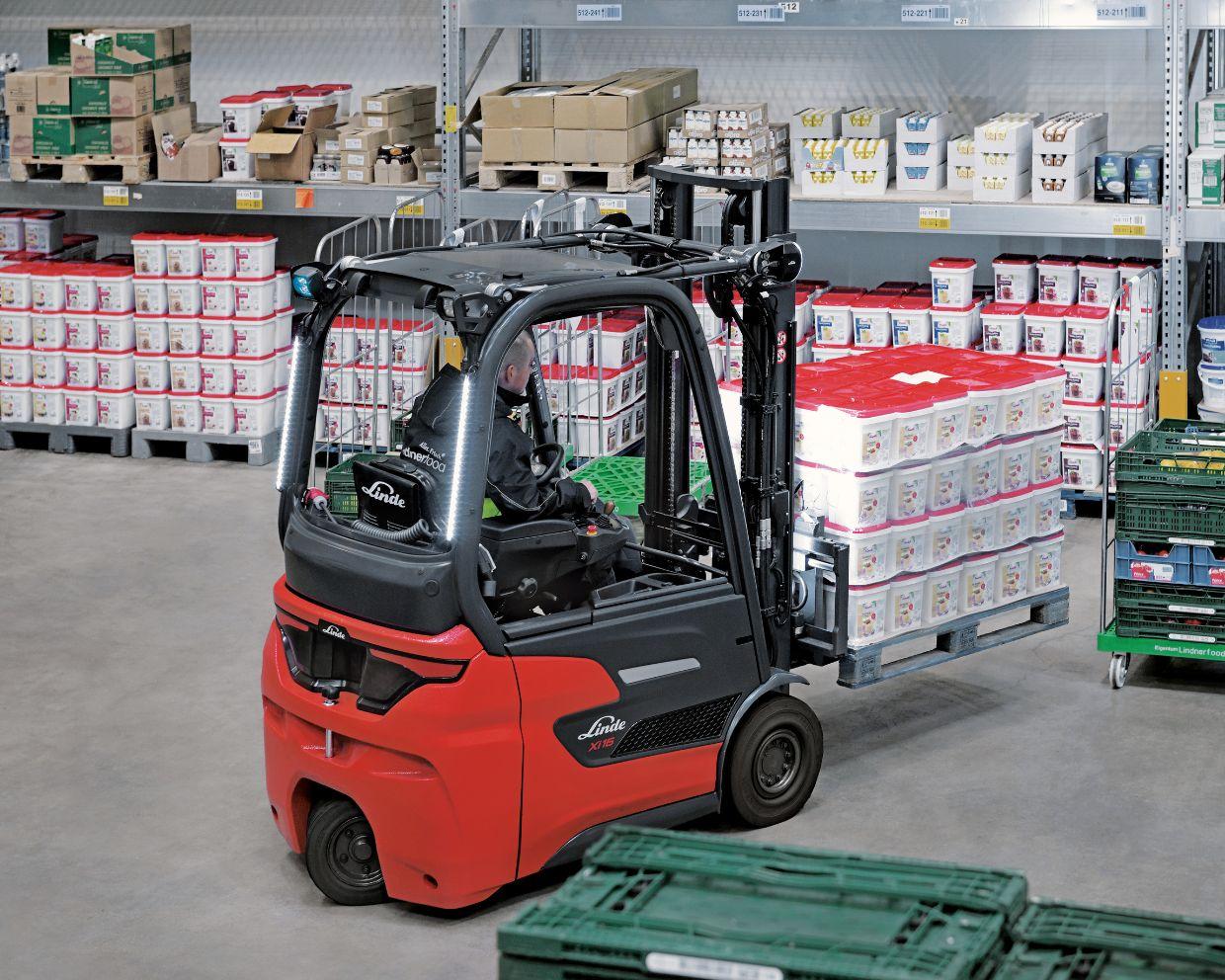
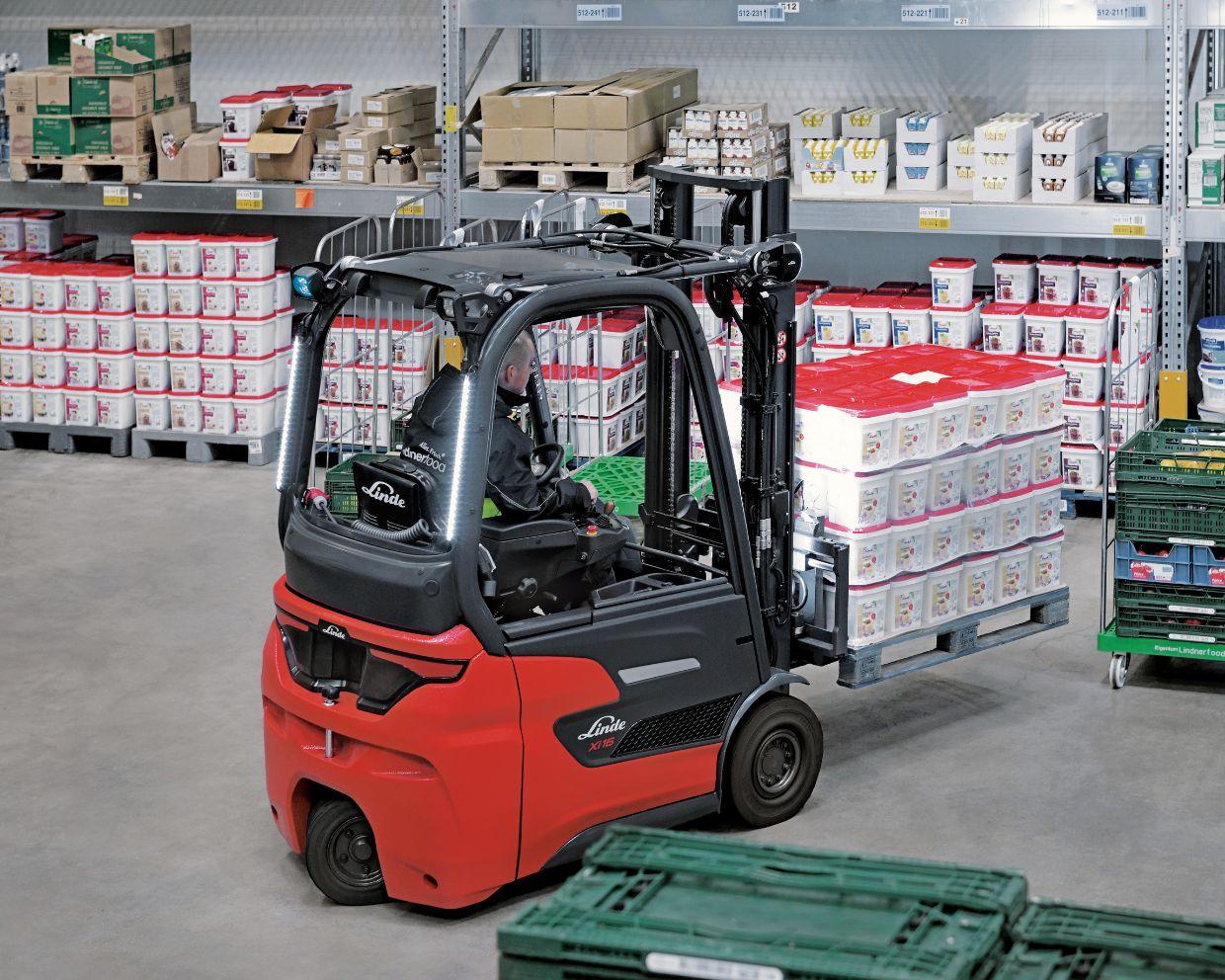
The electric forklift truck is no longer just a cleaner version of what came before. It is a fundamentally different piece of equipment, built around electronic drive systems, integrated sensors, and battery technology that has improved more in the past five years than in the previous three decades.
Across Australia, we are seeing warehouses, distribution centres, and manufacturing facilities move away from internal combustion fleets and toward electrified, digitally connected operations. The pace of that change has picked up considerably.
For years, the case for electric forklifts was made purely on emissions and running costs. Those advantages still hold, but the conversation has moved on. Today, businesses are asking:
- How does their forklift fleet integrate with warehouse management systems?
- How can telematics data drive smarter procurement decisions?
- How can automation reduce dependency on manual labour without disrupting throughput?
These are the questions that define modern material handling, and the electric forklift sits at the centre of every answer.
At Linde Material Handling Australia, we have watched this transformation unfold across our customer base. What we are seeing is not a slow evolution. It is a genuine industry-wide rethink of how fleets should be built, managed, and optimised.
Why Are Electric Forklift Trucks Driving the Shift Toward Smarter Warehouse Operations?
When businesses decide to buy forklift equipment today, the internal combustion engine is rarely the default choice it once was. The Australian forklift market reached $2.8 billion AUD in 2024, and is projected to grow at a compound annual growth rate of 14.9% through to 2033*, with electric forklifts accounting for a significant part of the market share. That number reflects where industry priorities now sit.
The operational case for going electric is straightforward:
- No tailpipe emissions: Electric forklifts produce no exhaust emissions, making them the right fit for cold storage, food processing, and pharmaceutical warehousing where air quality is tightly controlled.
- Much lower noise levels: Operating below 65 dB, electric forklifts reduce noise fatigue across busy warehouse floors. That matters for operator wellbeing and for facilities running close to residential areas.
- Lower energy costs: Electricity costs considerably less per operating hour than LPG or diesel.
- Consistent, predictable performance: Electric motors deliver smooth torque throughout the shift. Combustion engines can vary as fuel levels drop.
Beyond the direct operational advantages, corporate sustainability commitments are also driving the transition. Businesses across logistics, retail, manufacturing, and FMCG face growing pressure from investors, regulators, and customers to cut Scope 1 emissions. Switching to electric fleets is one of the most direct levers they can pull.
There is also the workforce angle. Operators consistently report that electric forklifts are more comfortable to run for long shifts. They are quieter, smoother, and less physically demanding to control. In a labour market where skilled forklift operators are in short supply, that is a genuine retention and recruitment consideration, not just a nice-to-have.
What Role Does Automation Play in Modern Electric Forklift Truck Systems?
Browse the forklift for sale market today and you will find electric models offering capabilities that would have seemed out of reach a decade ago. Semi-autonomous driving, laser-guided navigation, and real-time WMS integration are no longer premium extras. They are becoming standard features in serious warehouse upgrade conversations.
Automation in material handling sits on a spectrum. Some customers want fully autonomous vehicles running pre-set routes with no operator involvement. Others want assisted driving features that support their human operators without replacing them. Most Australian operations we work with sit somewhere in between, running a mix of conventional and partially automated equipment to match what their workflows actually require.
Electric forklifts are the natural platform for automation. Their electronically controlled drive systems make it far easier to layer on software and sensor packages than combustion engines ever allowed.
The core integration points include:
- WMS connectivity: Electric forklifts can receive and confirm tasks directly from a warehouse management system, removing paper-based job cards and radio communication from the process.
- Navigation technology: Laser and camera-based navigation lets automated trucks operate in existing layouts without guide rails or permanent infrastructure changes.
- Traffic management: In facilities running multiple automated units, supervisory software coordinates movement in real time, preventing conflicts and optimising routes across the whole floor.
- Assisted driving: Technologies like curve speed assist, load-dependent speed limitation, and automatic mast positioning reduce operator error and reduce wear on the equipment.
Our MATIC range brings all of this together in a practical way. Our automated trucks are built on the same platform as our standard vehicles. That means they can be switched back to manual mode when needed, and serviced through the same maintenance procedures. That flexibility matters enormously for operations where reliability comes first.
Warehouse digitisation is not a distant goal for most of our customers. It is happening now, in facilities across every major Australian city. The question is not whether to automate, but how to do it without disrupting current operations.
How Do Electric Forklift Trucks Support Sustainable and Cost-Efficient Fleet Strategies?
The lifecycle economics of an electric forklift for sale have shifted considerably over the past five years. Lithium-ion battery technology has changed the equation, delivering longer run times, faster charge cycles, and a service life that comfortably outpaces lead-acid alternatives.
Evaluated on purchase price alone, electric forklifts can look more expensive, but their total cost of ownership (TCO) tells a very different story.
Industry total cost of ownership studies have found that a five-year electric fleet can run on the order of 40% cheaper to operate than an equivalent internal combustion fleet, with maintenance costs for combustion equipment typically running 25 to 50% higher than for electric equivalents over the same period**. Other industry sources cite even larger five-year savings, and some report higher residual values for used lithium-ion electric units compared with combustion equivalents. As these figures are not drawn from a single standardised study, businesses modelling their own fleet economics should treat them as a general directional guide rather than a guaranteed outcome, and validate the assumptions against their own duty cycles, energy rates, and maintenance contracts.
The savings come from several directions at once:
- Lower maintenance costs: No oil changes, no fuel system servicing, no radiator maintenance, no transmission fluid replacements. Routine maintenance runs approximately 30 to 40% lower than for IC equivalents.
- Cheaper energy: Charging during off-peak hours locks in favourable electricity rates. For sites with solar or a renewable energy contract, the advantage grows further.
- More uptime: Less scheduled servicing and fewer unplanned breakdowns means more time working. In high-throughput operations, that translates directly to capacity.
- Better residual value: Lithium-ion electric forklifts retain around 25% more residual value after eight years than comparable combustion models. Understanding the differences between forklift power source options can help businesses make more informed fleet decisions.
Sustainability goals and procurement value are often treated as competing priorities. As outlined in our guide on the top advantages of electric forklifts, modern electric fleets can deliver both environmental and operational benefits. With electric forklifts, they are not. The decision that reduces your fleet's carbon footprint also reduces your operating costs. That alignment is one reason electrification has gained traction so quickly.
For businesses considering the transition, it does not have to be all-or-nothing. Many of our customers start by electrifying their indoor fleet first, particularly equipment operating in enclosed spaces where the emissions and noise benefits are most immediate. Outdoor and heavy-duty units come in as their charging infrastructure develops.
How Are Digital Fleet Management Systems Changing the Way Businesses Operate Forklift Fleets?
Running a forklift fleet without digital management tools is a bit like running a logistics network without a transport management system. You can do it, but decisions get made on incomplete information, and problems tend to surface after they have already cost time and money.
Fleet management software has changed how operations teams think about their equipment. Instead of periodic manual audits and paper check sheets, managers now have continuous, real-time data from every truck in the fleet. The practical value of that data goes well beyond knowing where each forklift is.
Our FleetFOCUS platform brings on-truck connectivity together with a cloud-based dashboard, giving operations managers a centralised view of their entire fleet: safety metrics, service schedules, equipment utilisation, energy performance. Rather than navigating complex reports or exporting data for separate analysis, fleet managers can query the system through a natural language interface and get immediate answers.
The capabilities that make the biggest operational difference:
- Utilisation analysis: See which trucks are working hardest, which are underused, and where bottlenecks occur. This feeds directly into fleet sizing and shift planning decisions.
- Predictive maintenance: When sensor data indicates a component is trending toward failure, a service alert fires before a breakdown happens. That is the difference between a planned maintenance window and an unplanned shutdown.
- Impact detection: The system logs collision events so managers can review incidents, identify patterns, and address operator behaviour before it escalates into a safety or equipment damage issue.
- Battery and energy monitoring: Tracking charging habits and battery health helps optimise charge cycles, avoid deep discharge, and extend battery service life.
- Access control: Forklifts can be restricted to authorised operators only, with operator-specific profiles that enforce speed limits or other parameters based on licence class or experience level.
The IoT-enabled nature of modern electric forklifts means this kind of intelligence is built into the equipment, not bolted on afterwards. For businesses managing large or geographically distributed fleets, a single dashboard view is simply how professional fleet management works now.
Why Is Linde Leading Innovation in Electric Forklift Truck Technology?
Linde Material Handling has been engineering industrial trucks for more than 70 years. That history counts for something, but what matters more to our customers is what we are doing now and where we are heading.
Our approach to electric forklift development is built around engineering precision, digital integration, and real-world reliability. We design equipment that performs in demanding industrial environments, not just in ideal conditions. Our electric range covers compact pedestrian pallet movers through to high-capacity counterbalance trucks, with every model built to the same standard of engineering quality.
Our MATIC automation range gives businesses a practical pathway into automated material handling. Because our automated trucks operate on the same technical foundation as our manual fleet, the transition is manageable and ongoing maintenance stays straightforward.
As part of the KION Group, one of the world's largest manufacturers of industrial trucks and supply chain solutions, Linde draws on global research investment and engineering resources that few competitors can match. That global capability is applied locally, with an Australian support network of branches and dealers across the country.
We understand that running a forklift fleet in Australia comes with specific requirements around service response times, spare parts availability, and operator training. We are set up to meet those requirements, and our track record in the local market reflects that.
Upgrade to Next-Generation Electric Forklift Truck Technology with Linde
Businesses running digitally integrated electric fleets have better visibility over their costs, better control over their operations, and a stronger sustainability position. Their competitors running ageing combustion equipment are increasingly at a disadvantage on emissions, fleet economics, uptime, and the quality of data available to their management teams.
At Linde Material Handling Australia, we offer the full range of electric forklift solutions from entry-level pedestrian equipment through to high-performance counterbalance trucks and automated systems, all backed by national service coverage and a team that understands Australian industrial environments.
Buy Linde electric forklifts today and transform your warehouse into a smarter, more efficient operation.
Whether you are looking to replace an ageing combustion fleet, expand an existing electric operation, or explore automation for the first time, we are ready to help you build a fleet strategy that works for your business now and into the future.
Explore Linde electric forklifts or get in touch with your local Linde team to start the conversation.
FAQs
What makes an electric forklift truck different from traditional forklifts?
The most obvious difference is the power source. Electric forklifts run on battery power, whether lead-acid or lithium-ion, rather than LPG or diesel. That removes exhaust emissions entirely and significantly reduces operating noise.
But the differences go deeper. Electric forklifts use electronically controlled drive systems, which enables programmable speed limits, regenerative braking, and direct integration with automation and fleet management software. They also have fewer mechanical components than combustion engines, which means less scheduled servicing, lower maintenance costs, and better long-term reliability in high-cycle applications.
Is it better to buy a forklift or lease one for modern warehouse operations?
There is no single right answer. It depends on your business.
Buying outright gives you full ownership and no ongoing payments once the asset is paid off. That suits businesses with stable, long-term fleet requirements. Leasing or hiring gives you flexibility, predictable monthly costs, and access to newer technology without large capital outlays. That suits businesses with fluctuating demand or those who want to avoid residual value risk.
Many Australian businesses use a combination, owning core fleet assets that run year-round and using short-term hire to cover peak periods. At Linde, we offer purchase, lease, and hire options so you can structure the arrangement that fits your operation.
How does telematics improve forklift fleet performance?
Telematics software, like Linde’s FleetFOCUS, connects your forklifts to a central management system, giving you continuous data on how each truck is being used, how it is performing, and what condition it is in.
The practical benefits include:
- Better utilisation data to right-size your fleet
- Early warning of component wear before it becomes a breakdown
- Detailed records of operator behaviour, including impacts and access events
- Battery health and charging pattern monitoring for electric fleets
The result is a fleet with less unplanned downtime, lower maintenance costs, and a much clearer picture of where your money is going.
Are electric forklifts suitable for heavy-duty industrial use?
Yes. Modern electric forklifts handle heavy-duty industrial work without compromise.
Advances in lithium-ion battery technology and high-voltage drive systems mean electric models now match internal combustion engines in torque, lifting capacity, and shift endurance. Linde offers electric counterbalance forklifts capable of handling loads well beyond the 2.5-tonne range commonly associated with indoor warehouse work.
These models are used in automotive manufacturing, steel processing, paper and timber handling, and cold storage operations running 24-hour shifts. The key is matching the right specification, battery size, and charging solution to the application.
What are the benefits of digital fleet management systems?
Digital fleet management gives you control and visibility that manual processes cannot match. The core benefits:
- Reduced downtime: Predictive maintenance alerts catch issues before they cause breakdowns.
- Lower costs: Utilisation data shows where fleet assets are underused and where reductions or redeployments make sense.
- Improved safety: Impact detection, operator access controls, and automatic speed zoning in high-risk areas.
- Better energy management: Charging optimisation and battery health monitoring for electric fleets.
- Compliance support: Digital records of pre-shift checks, operator access logs, and incident reports.
For businesses managing fleets of any meaningful size, digital fleet management is not optional. It is the foundation of a well-run, cost-controlled operation.
Ready to transform your warehouse into a smarter, more efficient operation? Explore Linde’s electric forklifts in the link below to help you get started.
*IMARC Group — Australia Forklift Market Report 2025–2033 https://www.imarcgroup.com/australia-forklift-market
**HCO Innovations, “Forklift Cost Analysis – The Concept of Total Cost of Ownership (TCO),” comparative analysis of AC electric vs. CNG/IC lift trucks (https://www.hcoinnovations.com/analysis-total-cost-ownership-tco-lift-trucks/). Figures are based on a hypothetical fleet model and vary by application; cited here as an industry estimate rather than a universal benchmark.