If you have been comparing counterbalance forklift options for your business, you have probably noticed that LPG and diesel come up again and again. Both are proven, both are designed to handle demanding lifting applications, and both have loyal fans across Australian warehouses, yards and construction sites. So which one is right for your operation?
The honest answer is that it depends. Fuel type, operating hours, indoor versus outdoor work, and your business’ running cost expectations all play a part. In this article, we walk through how LPG and diesel counterbalance forklifts actually perform, where each one earns its keep, and what to weigh up before you buy. Furthermore, this guide provides a balanced comparison to help you choose the right counterbalance forklift for your operational needs.
What Is a Counterbalance Forklift and When Is It the Right Choice?
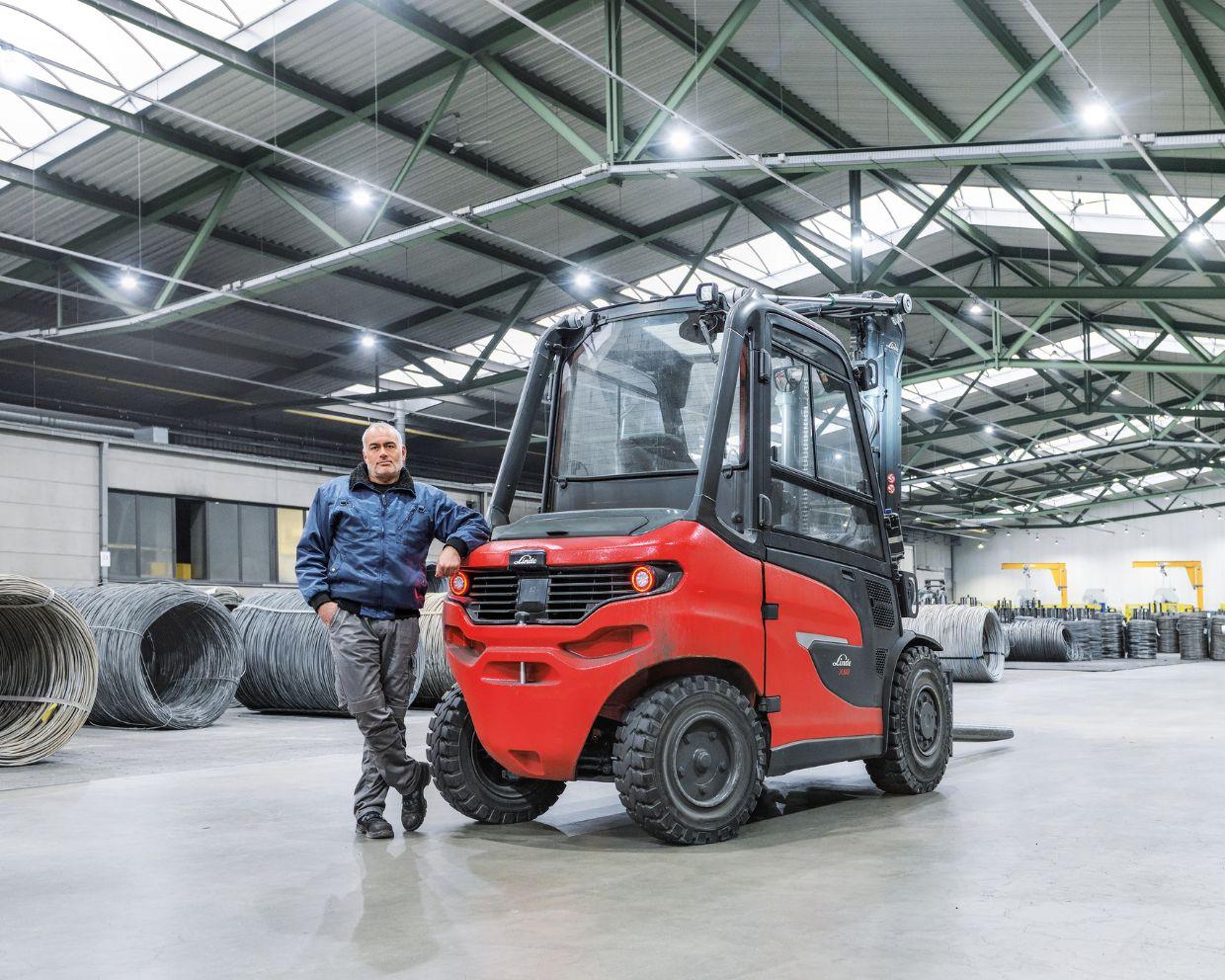
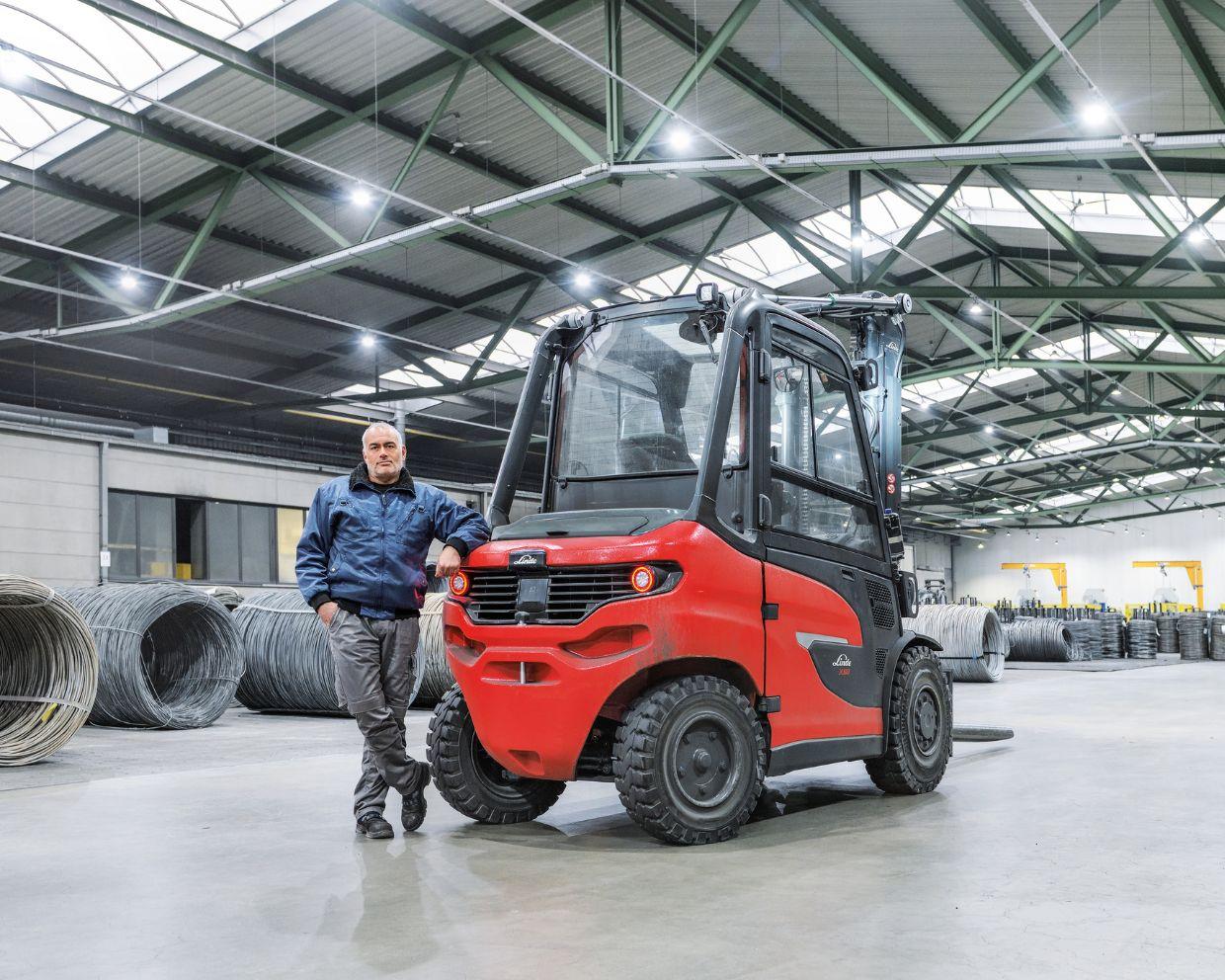
A counterbalance forklift is built around a simple engineering idea: a weight at the rear of the truck offsets the load being lifted at the front. That counterweight means the forklift does not need outriggers or stabilisers to stay upright, which is why counterbalance trucks can drive straight up to a load, lift it, and reverse away without any extra setup.
This straightforward design is a big part of why counterbalance forklifts remain one of the most widely used forklift types in Australia. A few reasons they keep showing up on site:
- They handle a broad range of load weights and dimensions, from palletised goods to awkward, oversized items.
- They work equally well indoors on smooth warehouse floors and outdoors on gravel, dirt or uneven ground, depending on the fuel type and tyre setup.
- They are common across warehousing, manufacturing, construction, logistics, ports and agriculture.
- Operators generally find them intuitive to learn, which helps with training.
- They come in a wide range of capacities and mast heights, so you can usually find a model that matches your racking and load profile.
Counterbalance forklifts are typically fitted with either pneumatic tyres for rougher outdoor terrain or cushion tyres for smooth indoor floors, and this is one of the first decisions that shapes whether LPG or diesel makes more sense for your site.
How Does a Diesel Counterbalance Forklift Perform?
Diesel counterbalance forklifts have earned their reputation in heavy-duty, outdoor environments, and for good reason. Diesel engines produce strong torque at low revs, which translates into confident lifting and steady acceleration, even when a truck is working with a full load on a gradient or loose surface.
Here is where diesel tends to shine:
- Lifting performance: Diesel engines generally deliver more torque than LPG equivalents of a similar size, which helps with heavier loads and repeated lift cycles
- Long operating hours: Diesel forklifts are well suited to extended shifts and continuous, high-intensity use, particularly in yards, ports and construction sites
- Outdoor durability: The engine and drivetrain are built to handle rough terrain, dust and variable weather without a drop in performance
- Refuelling convenience: A diesel tank can be topped up from a bulk storage tank or jerry can on site, and one full tank typically lasts a full shift or more depending on workload
That said, diesel is not without trade-offs. Diesel engines produce exhaust emissions, including particulate matter, and they tend to run noisier than LPG or electric alternatives. Because of this, diesel forklifts are generally not suited to enclosed or poorly ventilated indoor spaces. Businesses that do run diesel indoors need to think carefully about ventilation, exhaust treatment and worker exposure, and in many cases it is simply better to keep diesel trucks working outdoors where their strengths are most useful.
How Does an LPG Counterbalance Forklift Compare?
LPG counterbalance forklifts sit in a useful middle ground. They burn cleaner than diesel, refuel in minutes rather than requiring a fuel tank fill-up, and can generally be used indoors in well-ventilated spaces as well as outdoors.
Some of the practical advantages LPG brings to the table:
- Lower emissions than diesel: LPG combustion produces less particulate matter, which is a major reason it is more commonly approved for indoor or semi-enclosed use, provided ventilation is adequate
- Fast refuelling: Swapping an LPG cylinder is quick, usually only a few minutes, so operators are not waiting around between shifts or during peak periods
- Operational flexibility: LPG trucks can typically move between indoor and outdoor tasks on the same site without the fuel-type restrictions that apply to diesel
- Smooth, responsive operation: LPG engines tend to run smoothly, which many operators find easier to work with over a full shift
- Reliable performance: LPG forklifts maintain consistent power output, since fuel delivery does not taper off as a cylinder empties the way battery output can decline
LPG is not automatically the better choice for every site, though. Businesses with genuinely continuous, heavy-duty outdoor operations, or those needing maximum torque for very heavy or awkward loads, may still find diesel better suited to the job. And any indoor LPG use still needs proper ventilation and adherence to workplace exposure standards, since LPG combustion is cleaner than diesel but not emission-free.
What Are the Key Differences Between LPG and Diesel Counterbalance Forklifts?
The table below summarises how the two fuel types typically compare across the factors that matter most on a real worksite.
| Comparison Factor | LPG | Diesel |
|---|---|---|
| Typical applications | Mixed indoor/outdoor warehousing, retail distribution, manufacturing | Construction, ports, freight yards, heavy outdoor logistics |
| Fuel efficiency | Efficient for moderate to continuous use, cylinder swaps needed periodically | Generally more fuel-efficient per hour of heavy-duty work |
| Power output | Strong, responsive power delivery, consistent across the shift | Higher torque, well suited to heavy or sustained loads |
| Indoor suitability | Suitable with adequate ventilation | Not recommended for enclosed indoor spaces |
| Outdoor suitability | Well suited, particularly on firmer ground | Excellent, built for rough terrain and extended outdoor use |
| Noise levels | Moderate | Higher than LPG |
| Emissions | Lower than diesel, still requires ventilation indoors | Higher, includes particulate matter |
| Maintenance considerations | Regular engine servicing, cylinder handling and storage | Regular engine servicing, generally robust for heavy-duty cycles |
| Refuelling | Minutes, via cylinder swap | Minutes to tens of minutes, via bulk tank or jerry can |
| Best suited industries | Warehousing, manufacturing, retail logistics | Construction, agriculture, ports, freight |
No single row in that table settles the decision on its own. The right choice comes down to your operational needs: where the truck will work, how many hours it runs, what it is lifting, and how your site is set up for fuel storage and ventilation.
What Should You Consider Before You Buy Counterbalance Forklifts?
Before you commit to a fuel type or a specific model, it is worth working through your actual operational requirements rather than starting with a brand or fuel preference. Here is what we typically encourage customers to think through:
- Load capacity: What is the heaviest and most awkward load you regularly need to lift, not just the average?
- Lift height: Does your racking or stacking height call for a taller mast, and does that change how the truck handles at full extension?
- Working environment: Will the truck spend most of its time indoors, outdoors, or moving between both?
- Operating hours: Are you running single shifts, multiple shifts, or near-continuous operation?
- Fuel availability: Do you have practical access to LPG cylinder supply or bulk diesel storage on site?
- Running costs: Fuel, servicing and consumables all add up differently depending on fuel type and usage intensity
- Maintenance requirements: How much downtime can your operation tolerate, and do you have a servicing plan in place?
- Operator comfort: Long shifts are easier on staff with a well laid out cabin, good visibility and manageable noise and vibration
- Safety features: Look for stability assistance, visibility aids and pedestrian warning systems relevant to your site layout
- Future business growth: A forklift bought for today's volumes might be under-specced in two years, so it is worth planning slightly ahead
Taking the time to map these factors against your daily operations makes the fuel type decision far more straightforward, and it usually becomes obvious which option fits once you have the full picture.
Which Industries Benefit Most from LPG or Diesel Counterbalance Forklifts?
Different industries lean toward different fuel types, largely based on where the work happens and how continuous it is.
- Warehousing: LPG is common here, particularly where trucks need to move between indoor storage and outdoor loading docks
- Manufacturing: LPG again tends to suit mixed indoor production floors, though heavier manufacturing sites with outdoor yard work sometimes run diesel alongside it
- Logistics: Both fuel types appear depending on whether operations are yard-based (diesel) or warehouse-based (LPG)
- Construction: Diesel is the more common choice, given the outdoor terrain, dust and heavy-duty lifting involved
- Building materials: Diesel suits outdoor yards handling bulky, heavy stock, while LPG can work well for indoor showroom or warehouse sections
- Agriculture: Diesel is often preferred for its durability across rough, open ground and variable weather
- Ports and freight: Diesel dominates here, largely due to the sustained outdoor, heavy-duty nature of the work
If your operation spans more than one of these environments, it is common to run a mixed fleet, using LPG where indoor access and ventilation allow, and diesel where outdoor power and endurance matter most.
Why Is Choosing the Right Forklift Supplier Important?
Picking between LPG and diesel is only part of the decision. Who you buy from matters just as much, because the right supplier shapes how well that forklift performs for years after the purchase, not just on day one.
A supplier worth choosing should offer:
- Genuine expert advice, based on your actual operations rather than a one-size-fits-all recommendation
- A broad product range, so you are not squeezed into a fuel type or model that does not quite fit your needs
- Reliable after-sales support, including servicing that keeps trucks running and minimises downtime
- Genuine parts, which matter for long-term reliability and safety
- Fleet management support, particularly useful if you are running more than a handful of trucks across different sites
- A track record of long-term equipment reliability, so you are not gambling on an unfamiliar brand
At Linde Material Handling, we have spent decades helping Australian businesses work through exactly this kind of decision. We are not going to tell you LPG or diesel is universally better, because it genuinely is not. What we can do is talk through your load requirements, your site conditions and your growth plans, and help you land on the counterbalance forklift that actually fits.
Frequently Asked Questions
Is an LPG counterbalance forklift better than diesel?
Neither fuel type is better across the board. The best choice depends on your work environment, operating hours, load requirements and business priorities. LPG tends to suit mixed indoor and outdoor use with moderate to continuous shifts, while diesel is often preferred for heavy-duty, outdoor-only operations that need maximum torque and endurance.
Can diesel counterbalance forklifts be used indoors?
Generally, no. Diesel forklifts produce exhaust emissions and particulate matter that make them unsuitable for enclosed or poorly ventilated indoor spaces. They are better suited to outdoor environments where ventilation is not a limiting factor.
What industries commonly use counterbalance forklifts?
Counterbalance forklifts are widely used across warehousing, logistics, manufacturing, construction, agriculture and freight operations, thanks to their versatility and range of available capacities.
What should I consider before buying a counterbalance forklift?
Key factors include load capacity, fuel type, operating environment, running costs, maintenance requirements, safety features and the level of supplier support available to you.
Find the Right Counterbalance Forklift for Your Business
Ready to compare engine-powered counterbalance forklifts? Explore our range of LPG and diesel engine forklifts to find the right solution for your lifting capacity, operating environment, and business needs.