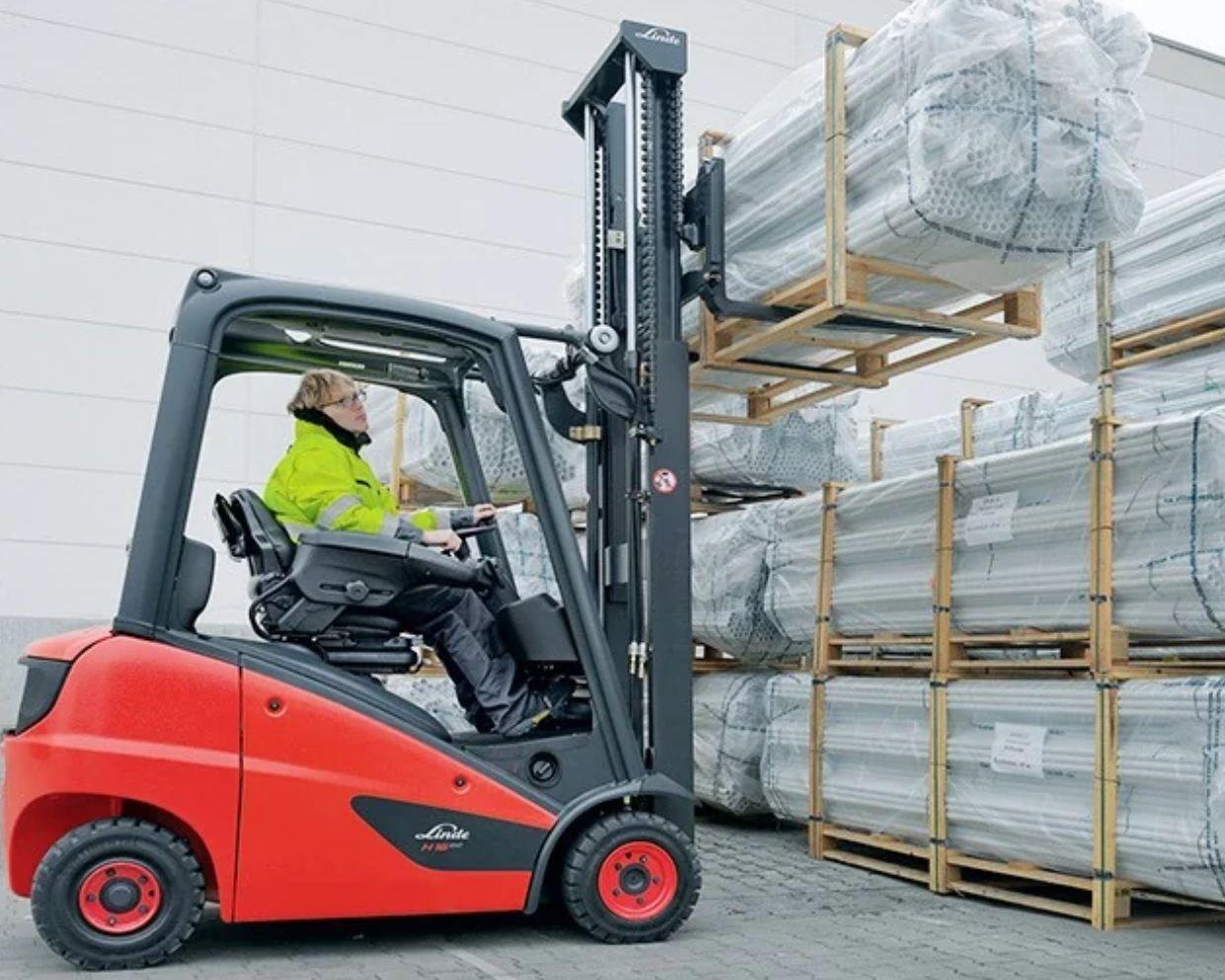
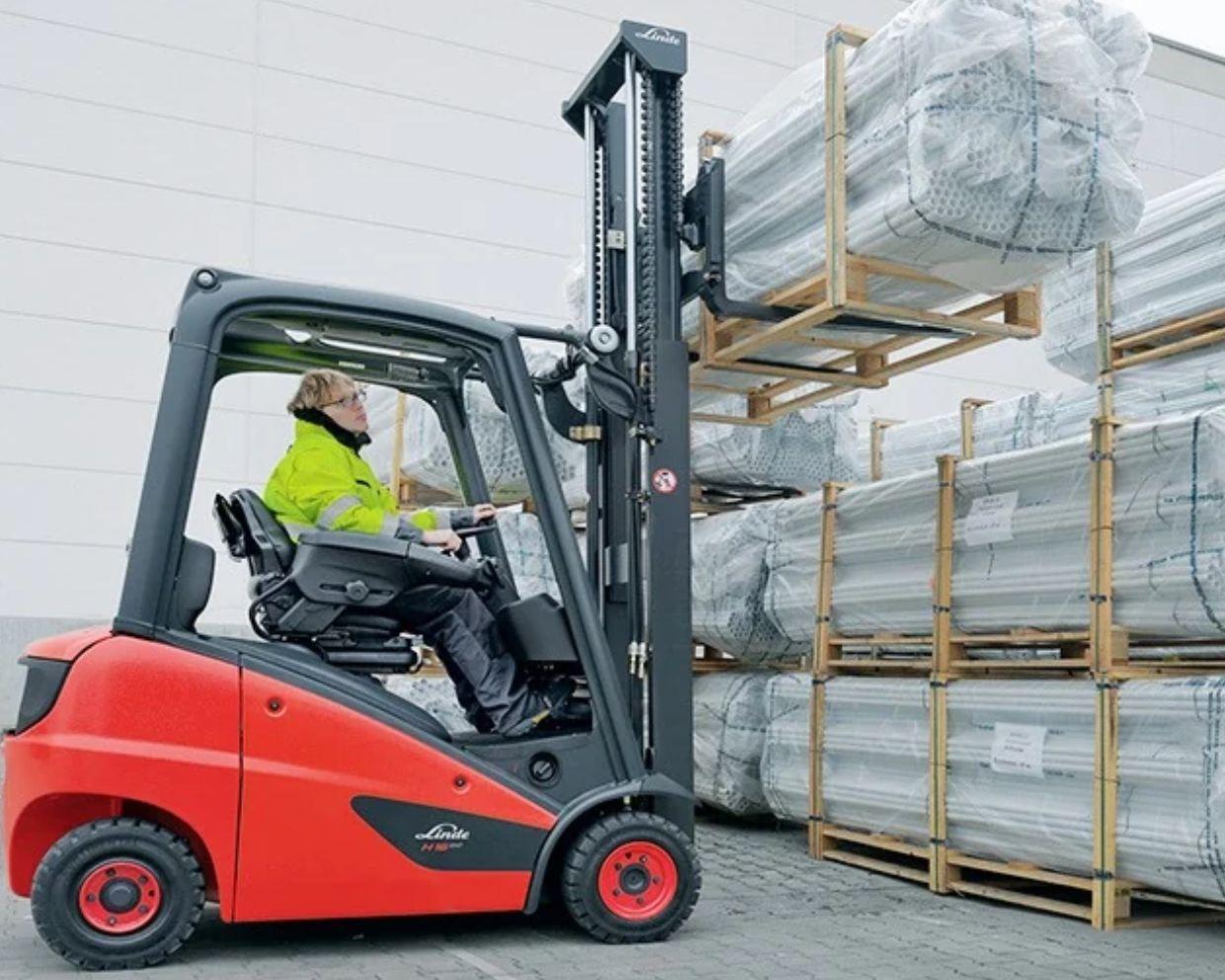
Christmas, Easter and the end of the financial year have the same effect on a warehouse. Orders climb, trucks run longer and a fleet that copes with a normal month starts to feel too small. Buying extra equipment for a few busy weeks rarely stacks up, because those trucks sit idle for the rest of the year. Seasonal demand is one of the most common reasons businesses choose to hire a forklift. You add capacity for the peak and send the truck back when the rush eases. If you are looking for a forklift for hire that suits your site, start with the planning steps below.
Why Do Peak Seasons Put Pressure on Your Forklift Fleet?
Because volume rises faster than a fixed fleet can follow. A fleet sized for a normal month has a set number of trucks and hours in the day, and a seasonal surge asks for more of both. Typical signs include queues at the dock, overtime, trucks running longer hours and less room for maintenance. It is a capacity question, and you can plan for it.
How Do You Plan Extra Forklift Capacity Before the Peak?
Work backwards from your last busy period:
- Review your last peak: Throughput, shifts and bottlenecks at the dock, racking or picking
- Estimate the extra trucks and hours you need
- Set start and end dates, with some buffers
- Confirm operators, charging and site access
- Request a quote early
You do not need exact ratios to start. Once you share the details, Linde's team can recommend the right machine for the application, which makes it quicker to hire forklift trucks that fit.
Which Forklift Should You Hire for Each Peak-Season Job?
This table matches common peak-season jobs to the forklifts for hire that suit them.
| Peak-season job | Suitable truck | Note |
|---|---|---|
Dock loading and unloading | Counterbalance (electric, LPG or diesel) | Capacity up to 18 tonnes |
Yard and outdoor work | Diesel forklift hire suits outdoor yards. Electric is better indoors. | |
High-bay racking | Indoor, smooth floors | |
Picking at height | Suits fulfilment peaks | |
Ground-level pallet moves | Compact, fast | |
Tight aisles, dense storage | Needs a guided aisle |
How Long Should You Hire a Forklift for Peak Season?
Match the hire period to the actual peak window, not the whole season. Hire can run by the day, week or month, and you can extend, swap or return a truck early if the peak runs longer or ends sooner. See our short-term forklift hire page and our guide to choosing the right forklift rental duration.
What Should You Prepare Before the Forklift Arrives?
A little preparation helps the truck earn its keep from the first shift:
- Licensed operators: Operators need the appropriate high risk work licence, including seasonal and temporary staff
- Site fit: Floors, aisle widths and indoor or outdoor use
- Power: Charging space for electric trucks, fuel arrangements for engine trucks
- Support: Who to call if a truck has an issue mid-peak — Linde's service team is available 24 hours a day, 365 days a year
How Can Linde Help You Hire a Forklift for Peak Season?
Our hire range covers electric, LPG and diesel forklifts, reach trucks, order pickers, pallet stackers, powered pallet trucks and very narrow aisle trucks. It comes with:
- Daily, weekly and monthly hire
- Delivery typically within 48 hours, depending on location and equipment
- A multi-point inspection before each truck is delivered
- Service support during the hire period
- National branch and dealer coverage
Browse the rental range, read about our forklift hire solutions or see short-term hire.
Ready to plan? Tell us your truck type, site and peak dates for a quote. Call 1300 454 633 or send your details through our contact page.
Frequently Asked Questions About Hiring a Forklift for Peak Season
How far in advance should I book a forklift for peak season?
Book as early as you can. Delivery is typically within 48 hours in most cases, but availability and lead times vary by location and equipment, so confirm timeframes with the Linde team before your peak starts. Early contact also gives you time to organise operators and more charging access if needed.
How many extra forklifts will I need for peak demand?
Compare your peak throughput and shift hours with a normal period, then look at where the bottlenecks sit, such as the dock, racking or picking. That tells you how many extra trucks and hours to plan for. Linde's team can help you match machines to your application.
Can I scale hire back after the peak ends?
Yes. Trucks can be returned at any time, extended or swapped if your needs change. If the peak finishes sooner than planned, send a truck back early. If it runs longer, extend the hire or move to a model that suits the new workload.
What happens if a hired forklift breaks down mid-peak?
Linde's service team is available 24 hours a day, 365 days a year. If a hired forklift breaks down, call the team and a technician will respond to minimise disruption to your operation. Where needed, a replacement machine can be arranged.
Do seasonal staff need a licence to operate a hired forklift?
Yes. Anyone operating a forklift needs the appropriate high risk work licence, including seasonal and temporary staff. The LF class covers forklift trucks and the LO class covers order pickers.