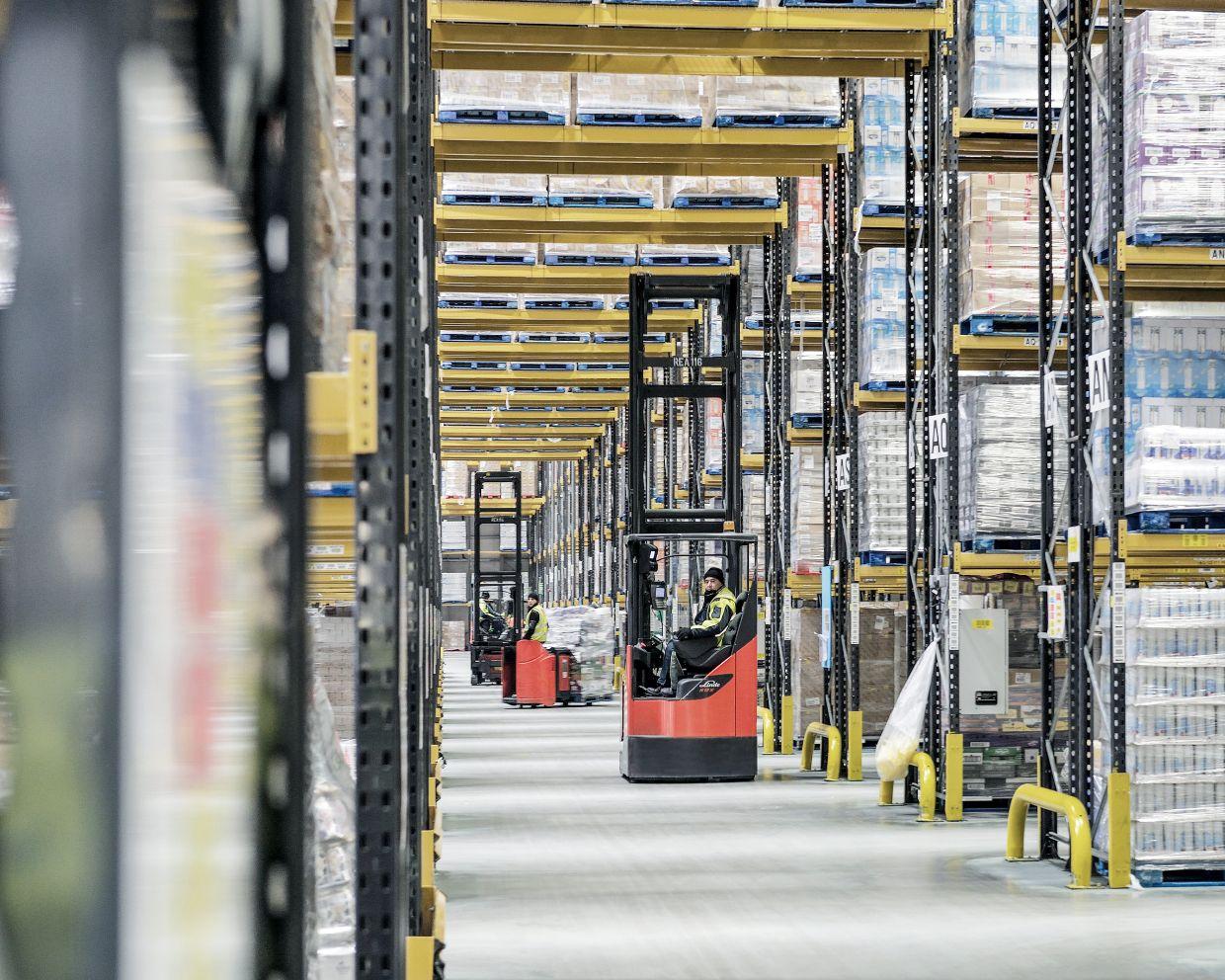
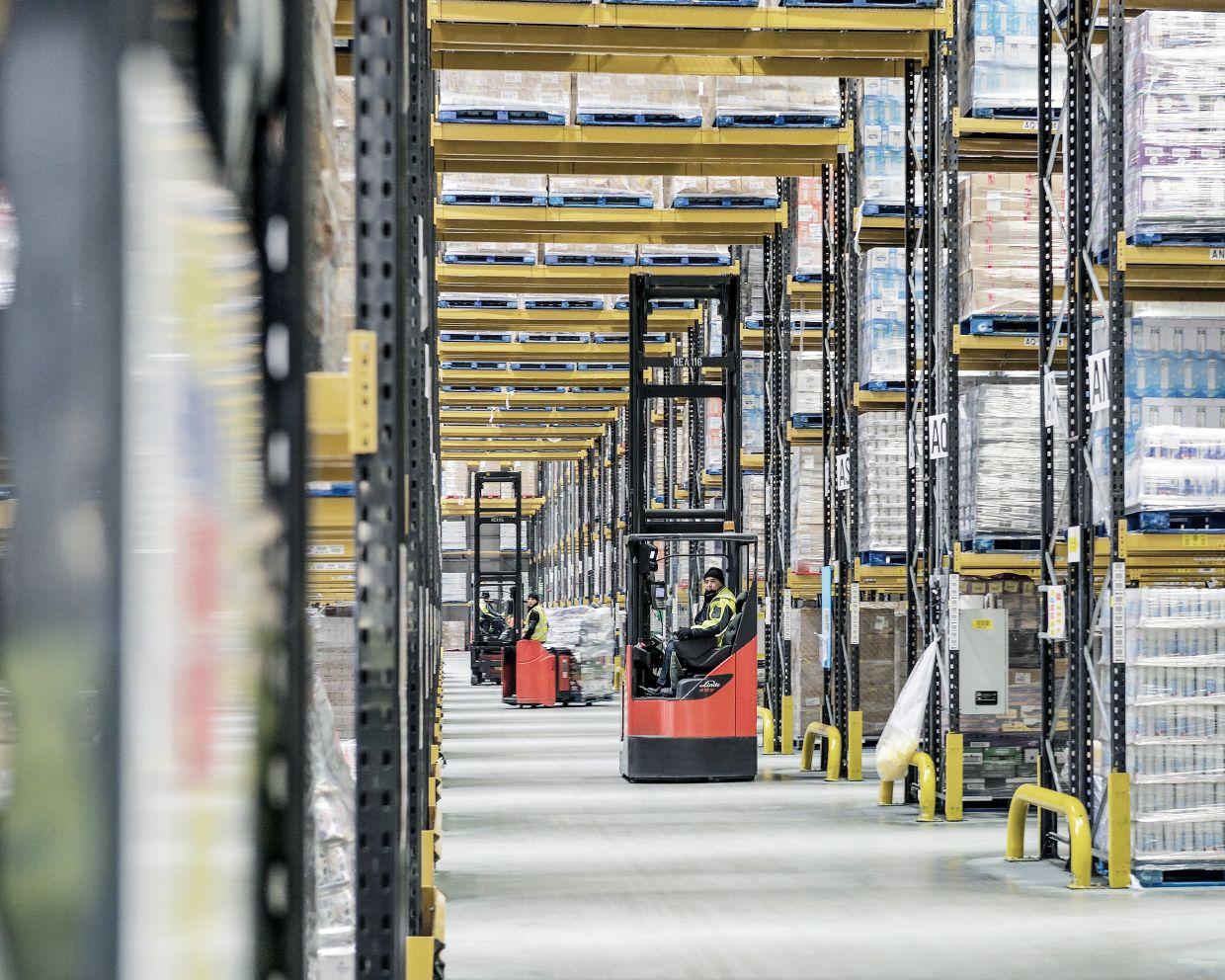
Not every business needs to own its forklift fleet outright, and more of our customers are realising that every year. Operational demands change, budgets fluctuate, and the right equipment for a project six months ago might not be the right equipment now. That's where forklift rental comes in.
At Linde Material Handling Australia, we work with businesses across warehousing, logistics, construction and manufacturing who are weighing up whether to buy or hire. Renting can help manage costs, respond to demand fluctuations, and give you access to modern equipment without tying up capital in a purchase. In this guide, we'll walk through both short-term and long-term rental options, so you can work out which approach fits your operation.
Why Is Forklift Rental a Smart Business Strategy?
Ownership isn't always the smartest move, even for businesses that use forklifts every day. We find that rental appeals to businesses for a few consistent reasons:
- Greater financial flexibility: Rental agreements let you match your equipment costs to your actual usage, rather than committing to a fixed asset.
- Reduced capital expenditure: You can put your capital toward growth, stock, staff or other priorities instead of a forklift sitting on your balance sheet.
- Access to newer equipment: Rental fleets are typically updated more often than owned fleets, so you're less likely to be stuck running old technology.
- Scalability as your needs change: You can scale your fleet up or down as your operation grows, contracts, or shifts direction.
- Lower risk of underutilised assets: If your forklift use is seasonal or project-based, ownership can mean paying for equipment that sits idle for months.
Neither option is universally better. It comes down to how your business operates, how predictable your equipment needs are, and what you'd rather do with your cash.
When Should You Choose Short Term Forklift Hire?
Short term forklift hire is built for situations where you need equipment now, but not forever. We see businesses turn to short-term hire solutions for:
- Seasonal demand, such as retail peaks over Christmas or agricultural harvest periods.
- Inventory peaks, where a temporary spike in stock movement outpaces your current fleet.
- Warehouse relocations, when you need extra lifting capacity for a defined period.
- Equipment breakdowns, so your operations don't grind to a halt while your usual forklift is being repaired.
- Short-term construction or logistics projects with a clear start and end date.
- Trialling different forklift models before committing to a purchase, so you can test how a machine performs in your actual working environment.
The appeal here is speed and flexibility. You get access to the right machine without the long-term commitment, and you can scale back down the moment the job is done.
When Does Long Term Forklift Hire Make More Sense?
Long term forklift hire suits a different kind of need, one that's ongoing, rather than temporary. This tends to work well for:
- Ongoing operations, where forklifts are part of your daily workflow, not an occasional requirement.
- Multi-year projects, with equipment needs that are known well in advance.
- Predictable monthly budgeting, since a long-term rental agreement gives you a fixed cost to plan around.
- Reduced maintenance concerns, where forklift servicing is built into the agreement.
- Fleet expansion, without the upfront capital outlay that buying new equipment would require.
Long-term rental solutions can give you reliable, well-maintained equipment while keeping more of your financial flexibility intact than an outright purchase would.
What Are the Financial Benefits of Forklift Rental?
Cost is usually the first question our customers ask, and it's a fair one. Renting can support better financial planning in a few ways:
- Lower upfront costs, since you're not funding the full purchase price of a forklift.
- Predictable monthly expenses, which makes budgeting and forecasting more straightforward.
- Improved cash flow, with capital freed up for other parts of the business.
- Reduced ownership risks, including depreciation and resale value, which become the rental provider's concern rather than yours.
- Reduce unexpected repair costs with maintenance and servicing inclusions, depending on the terms of your agreement.
Whether rental is more cost-effective than buying depends on your specific circumstances: how long you'll need the equipment, how intensively you'll use it, and what your business can and can't afford to tie up in fixed assets. The most cost-effective option depends on your operational requirements, budget, and intended rental period.
How Does Forklift Rental Help Businesses Stay Operational?
Downtime is expensive, and equipment access shouldn't be the reason your business stalls. Rental supports continuity in a few practical ways:
- Quick equipment replacement if a machine goes down or a project requirement changes suddenly.
- Access to modern forklifts with current safety features and technology.
- Reduced downtime, since a rental provider with a broad fleet can usually get you moving again faster than a repair or a new purchase would.
- Ability to scale your fleet during busy periods without overcommitting during quieter ones.
- Support for changing operational requirements, whether that's a new site, a new product line, or a shift in how you move stock.
How Do You Choose the Right Forklift Rental Solution?
Picking the right forklift isn't just about what's available. Before you commit to a rental, it's worth working through:
- Load capacity, matched to what you'll actually be lifting, not just what's on hand.
- Lift height, particularly if you're working with high racking or tight overhead clearances.
- Indoor vs outdoor applications, which affects tyre choice, weatherproofing and manoeuvrability.
- Electric forklifts vs internal combustion forklifts, depending on your site's ventilation, noise restrictions and sustainability goals.
- Rental duration, so the agreement matches how long you'll actually need the equipment.
- Service and maintenance support, and what's included versus what you'd be responsible for.
- Availability of replacement equipment if your rental forklift needs repair.
- Supplier experience and technical support, especially for specialised applications.
Take the time to assess your operational needs properly before you sign anything. A machine that looks fine on paper can still be the wrong fit for your site.
Why Is Choosing the Right Forklift Rental Partner Important?
The equipment matters, but so does who you're renting it from. A trusted rental partner should offer:
- Well-maintained equipment that's serviced regularly, not just cleaned up before delivery.
- Reliable servicing, so breakdowns are dealt with quickly rather than left to disrupt your operations.
- Technical expertise, including advice on which machine actually suits your application.
- Flexible rental agreements that can adjust as your business needs change.
- Responsive customer support, particularly when something goes wrong outside business hours.
- Access to a wide forklift fleet, so you're not limited to whatever happens to be available.
This is what actually protects your operation: a breakdown fixed in hours instead of days, a fleet that can flex when your requirements change, and a team that answers the phone when something goes wrong. That's the difference between a rental that quietly does its job and one that becomes your problem.
FAQs
What is forklift rental?
Forklift rental allows your business to use a forklift for a fixed period without purchasing it outright. Rental options range from a few days to several years, depending on what your operation needs.
Is short term forklift hire suitable for seasonal businesses?
Yes. Short term hire is commonly used to manage temporary increases in workload, cover special projects, or bridge the gap while a forklift is being repaired.
What are the benefits of long term forklift hire?
Long term hire offers predictable costs, operational flexibility, access to modern equipment, and reduced ownership responsibilities, particularly where servicing is included in the agreement.
Is forklift rental more cost-effective than buying?
It depends. The right answer comes down to your business goals, how much you'll use the equipment, your budget, and your broader operational requirements. We're happy to talk through the specifics with you rather than offer a one-size-fits-all answer.
What should businesses consider before renting a forklift?
Before renting, think through your rental duration, the equipment specifications you need, your operating environment, the maintenance support on offer, the supplier's reputation, and fleet availability.
Find the Right Forklift Rental Solution for Your Business
If you're weighing up short term or long term forklift hire, we're happy to talk it through with you. Contact the Linde Material Handling Australia team to discuss your operational needs, project duration, and equipment requirements, so we can help you find a rental solution that supports productivity, flexibility and long-term business success.