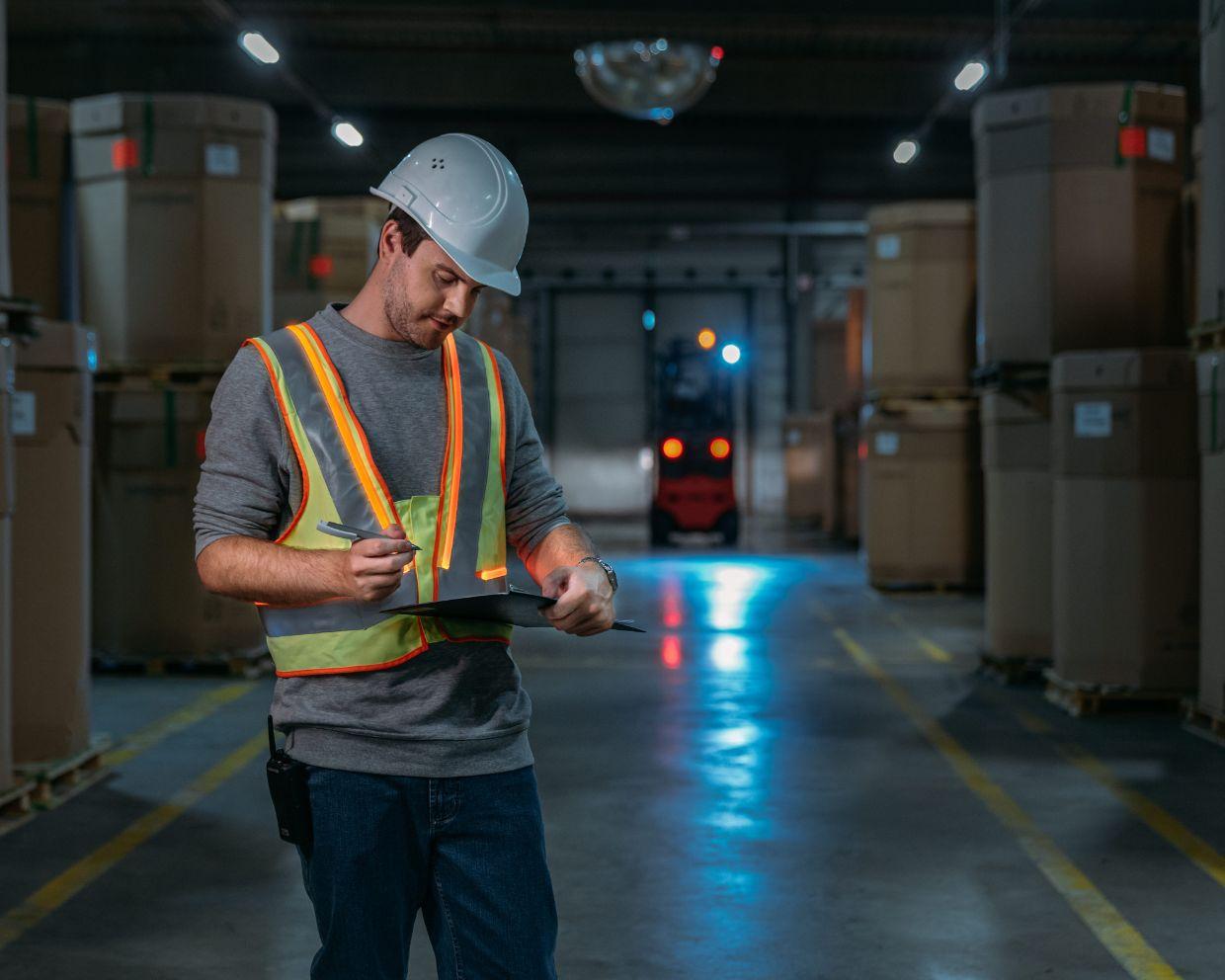
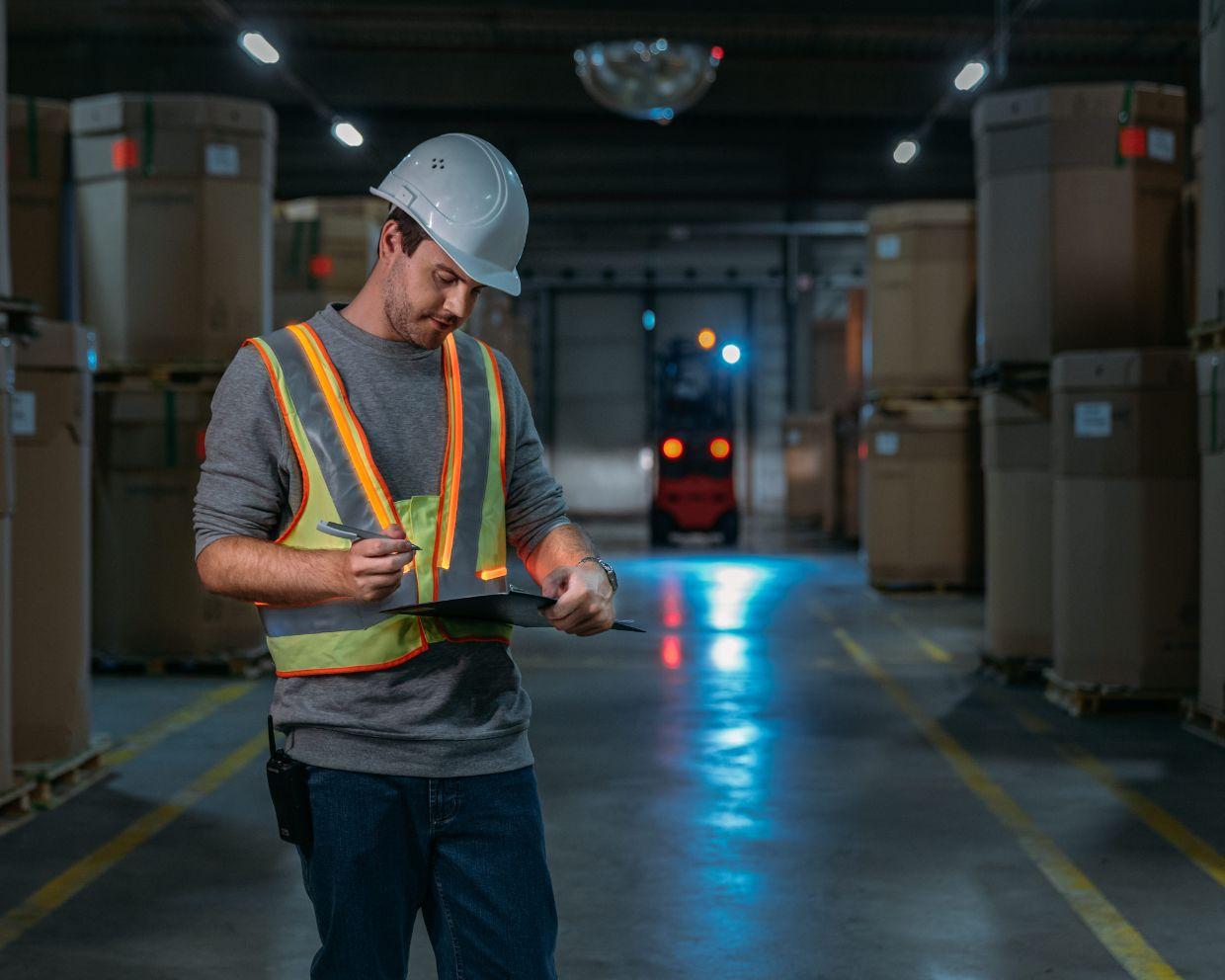
Ensuring the safety of forklift operators is non-negotiable in an industrial logistics environment. Proper Personal Protective Equipment (PPE) helps prevent injuries and fatalities, protects against mechanical, chemical, and environmental risks, and ensures compliance with Australian workplace safety laws, notably Safe Work Australia requirements. In this article, we explore the essential safety gear every forklift operator needs, regulatory frameworks, and best practices to keep your warehouse safe.
Why Is PPE Crucial for Forklift Operators?
Operating a forklift exposes workers to a range of hazards including mechanical (e.g. crushing, tip-overs), chemical (if handling hazardous substances), and environmental (dust, glare, noise). PPE acts as a frontline defence against these risks.
What Are the Essential PPE Items Every Forklift Operator Should Wear?
Here’s a breakdown of critical PPE for forklift operators, tailored to common warehouse and industrial risks.
Protective Eyewear: How Does Protective Eyewear Keep Forklift Operators Safe?
Forklift operators face risks from:
- Dust and debris in dusty warehouse environments.
- Flying particles or chemical splashes during handling of pallets or hazardous materials.
- Sun glare or UV exposure when operating outdoors.
Protective options:
- Safety goggles with side shields help block debris and chemicals.
- Prescription safety glasses are used by forklift operators who already wear prescription lenses – these meet the same safety ratings.
- Face shields work well in environments where chemical handling or large-scale spraying occurs.
Steel Cap Boots: Why Are Steel Cap Boots Necessary in Forklift Operations?
Forklift operations frequently involve heavy loads, so foot protection is critical.
- Crush injuries: If a load slips or drops, steel cap boots protect the toes and forefoot.
- Puncture risks: Warehouses may have debris, nails, or other sharp objects.
- Slip resistance: Essential when floors are exposed to oil, water, or other floor contaminants.
Comfort & compliance tips:
- Choose boots with breathable lining and cushioning to reduce fatigue.
- Ensure correct size and ankle support. Ill-fitting boots can cause blisters or instability.
- Replace boots once soles wear or protective caps are damaged.
Standards & ratings table:
| Standard / Rating | Requirement |
|---|---|
| AS/NZS 2210.3 (ISO 20345) | Steel or composite toe cap, impact test, compression test. |
| AS/NZS 2210.5 (ISO 20347) | Slip-resistant sole, ergonomic design, durable materials. |
Steel cap boots meeting these standards are widely available in Australia and are considered a baseline for forklift operator footwear.
Safety Gloves: How Do Safety Gloves Improve Grip and Protect Operators’ Hands?
Forklift operators may need to handle greasy loads, pallets with sharp edges, or chemical residues. Proper gloves help:
- Protect against cuts, abrasions, and chemical exposure.
- Provide enhanced grip for better control of levers and steering.
- Reduce fatigue in extended operations.
When to use:
- Mechanical gloves: For daily use in general warehouse tasks.
- Chemical-resistant gloves: When refuelling, cleaning, or handling hazardous substances.
- Heavy-duty gloves: During rigging, stacking, or load securing.
High-Visibility Clothing: Why Is High-Visibility Clothing Essential for Warehouse Safety?
Visibility is a critical safety factor, especially in busy or poorly lit environments.
- High-vis clothing (vests, jackets) reduces collision risks with pedestrians and other forklifts.
- Helps other operators see forklift operators when reversing or turning.
- Assists in visual communication among staff in large or noisy warehouses.
Considerations:
- Choose material appropriate for the environment (e.g., breathable mesh for indoor, insulated for cold storage).
- Ensure proper fit. Loose or ill-fitted high-vis gear can get caught in machinery.
- Use garments with reflective strips if working at night or in low-light zones.
Situational guidance:
- Day-shift, indoor: Lightweight high-visibility vest is often sufficient.
- Night or outdoor: Full high-vis jacket with reflective banding offers better protection.
- Cold storage: Use insulated high-vis jackets designed for low temperatures.
What Are Additional PPE Considerations for Forklift Operators?
Depending on the workplace, more PPE may be needed:
- Hearing protection: Forklifts (especially IC-engine ones) can be noisy; earplugs or earmuffs help preserve hearing.
- Long sleeves / flame-resistant clothing: Useful if working near hot surfaces, sparks, or risk of fire.
- Cold-storage PPE: For refrigerated warehouses, thermal gloves, insulated boots, and jackets.
- Task-specific gloves: Chemical gloves vs mechanical gloves, depending on job hazards.
How Can Employers Ensure Forklift Operators Use PPE Correctly?
To embed PPE into everyday operations, employers should:
- Provide regular training and safety briefings emphasising PPE importance.
- Monitor PPE compliance: Supervisors should check gear before each shift.
- Use a pre-shift PPE checklist: Operators tick off items like boots, gloves, eyewear, high-vis.
- Introduce incentive or awareness campaigns: Rewards, signage, posters to encourage correct PPE use.
How Do Australian Safety Standards Guide Forklift PPE Requirements?
Compliance with standards is key to legal and safety obligations.
- Safe Work Australia governs workplace health and safety regulations; forklift operators must follow risk-management, PPE, and operator training rules.
- Australian and international PPE standards:
- Eye protection: AS/NZS standards for safety glasses/goggles.
- Foot protection: AS/NZS 2210.3 and 2210.5 for boots.
- Reporting and compliance: Businesses must investigate incidents, maintain records, and report under workplace safety laws.
What Are Common PPE Mistakes That Put Forklift Operators at Risk?
Some frequent pitfalls in forklift PPE use include:
- Wearing the wrong size or type of PPE (e.g., too-small boots, non-rated gloves).
- Neglecting high-visibility clothing in dimly lit areas.
- Using worn or damaged gloves or boots that no longer offer protection.
- Failing to combine PPE with proper training, PPE is a last barrier, not a substitute for safe forklift operation.
How Can Warehouses Improve Overall Safety with PPE and Forklift Operations?
Creating a truly safe warehouse involves more than just PPE. Consider integrated strategies:
- Ergonomic forklifts + fleet management: Linde’s trucks come with advanced safety and assistance systems that help reduce operator fatigue.
- Traffic management: Clearly marked walking zones, barriers, and signage to separate pedestrians and forklift paths.
- Safety case study: Linde forklift models feature design elements like slim mast profiles for better visibility, decoupled operator compartments to reduce vibration, and overhead tilt cylinders to improve load stability.
- Safety technology: Use warning lights, proximity sensors or seatbelt interlocks to reduce risk. Linde supports these through its safety solutions.
What Steps Should Employers and Operators Take to Maximise Forklift Safety?
- Equip operators with essential PPE i.e., protective eyewear, steel-cap boots, gloves, high-visibility clothing, and any job-specific gear.
- Make sure all PPE meets Australian and international standards.
- Provide ongoing training, pre-shift checks, and enforce a culture of safety.
- Use Linde’s safety-engineered forklift solutions and fleet management systems to augment human safety measures.
- Develop, monitor, and review safety policies and PPE compliance programs.
To further boost safety in your warehouse, talk to Linde Material Handling Australia about advanced forklift safety solutions. Contact us to explore how we can help you protect your people and operations.