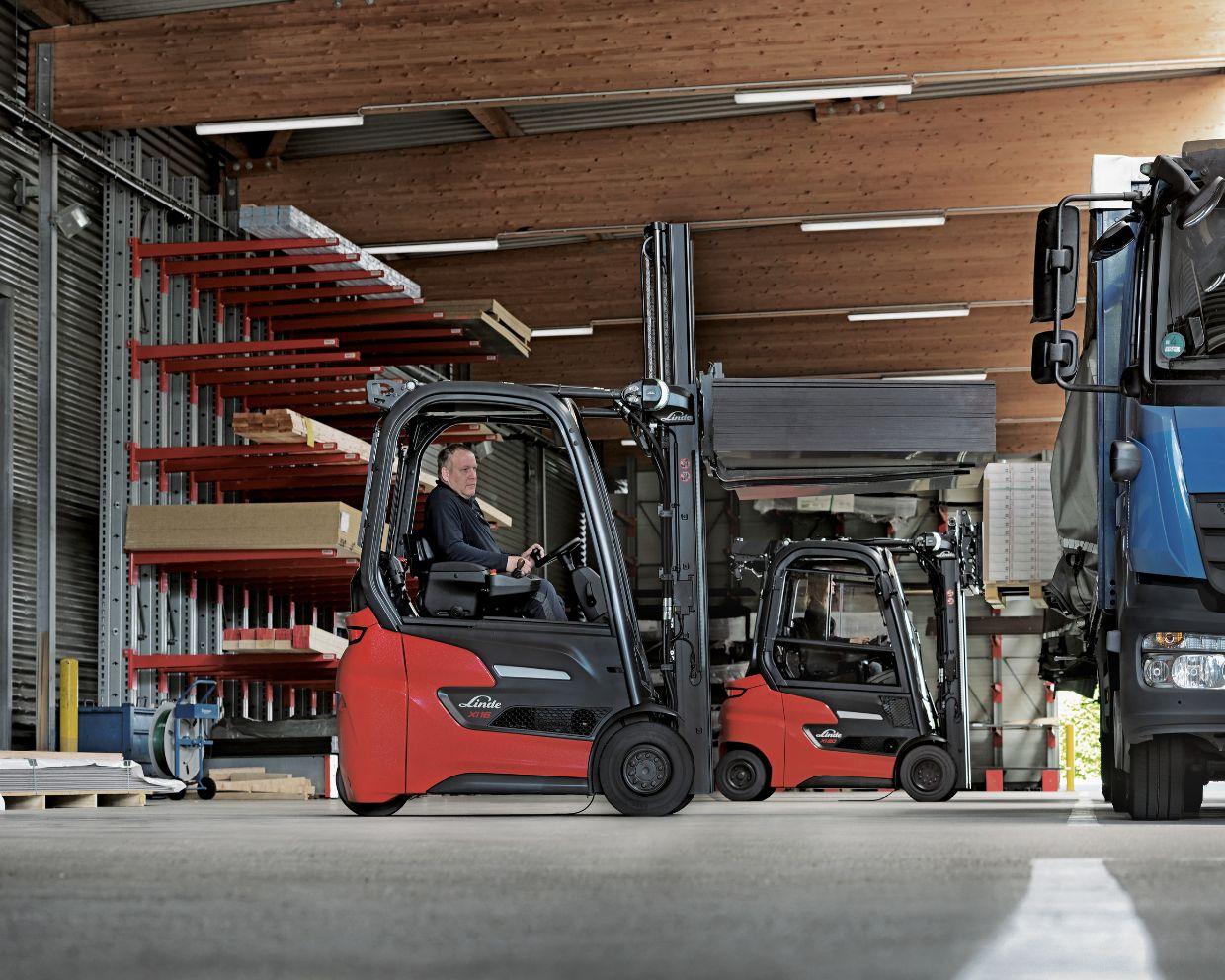
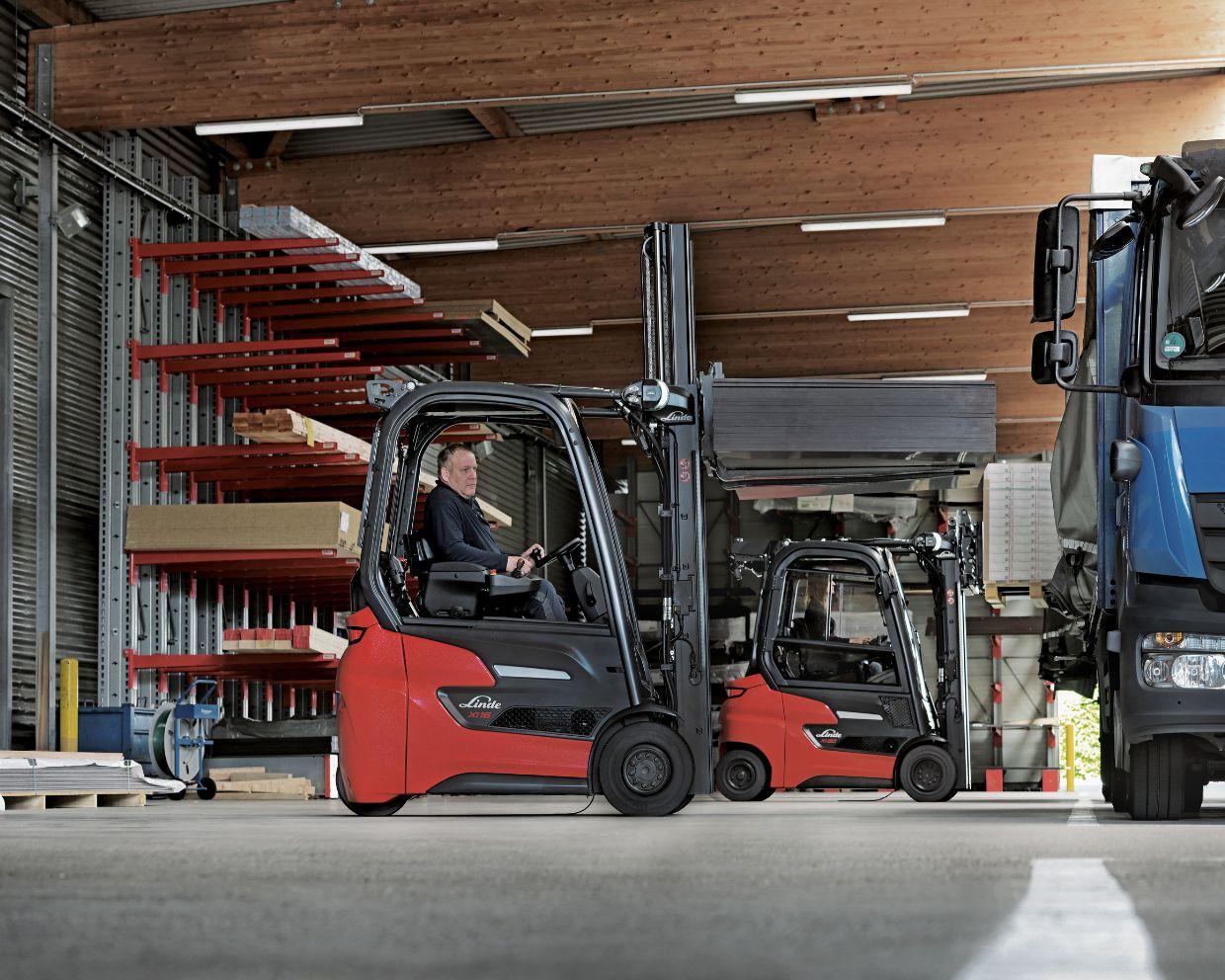
Electric forklifts are increasingly becoming the go-to choice for modern warehouses, and for good reason. As businesses seek greater efficiency, sustainability, and lower lifecycle costs, electric forklifts deliver a compelling alternative to traditional diesel or LPG options.
In this article, we look at why electric forklifts are good for warehouses. We also see how Linde Material Handling Australia is leading with advanced electric solutions.
What Are Electric Forklifts and How Do They Work?
An electric forklift runs on batteries. These can be traditional lead-acid batteries or lithium-ION ones.
- Electric forklifts draw power from a rechargeable battery and use an electric motor for driving and lifting functions.
- These electric forklifts have energy-saving systems. They operate quietly and produce no tailpipe emissions. This makes them perfect for today's warehouses.
- Linde provides a huge selection of lithium-ION powered material handling equipment in Australia, from small pallet jacks to heavy-duty forklifts that can lift up to 18.0 tonnes.
In contrast, diesel forklifts and LPG forklifts use internal combustion engines. These engines burn fuel, like diesel or liquefied petroleum gas. This process creates exhaust emissions and noise. They also require refuelling infrastructure.
How Do Electric Forklifts Compare with Diesel and LPG Forklifts?
Here’s a comparative view highlighting the strengths of electric forklifts against diesel and LPG alternatives:
| Criterion | Electric Forklifts | Diesel Forklifts / LPG Forklifts |
|---|---|---|
| Efficiency & Performance | High-efficiency driving & lifting; responsive electric motors | Reliable for heavy duty, especially outdoors or rough terrain |
| Emissions | Zero tailpipe emissions: ideal for indoor and outdoor operations and clean-air goals | Diesel emits higher CO₂; LPG cleaner than diesel but still emits gases |
| Noise Levels | Quiet operation: minimal noise and vibration, comfortable for operators | Diesel is noisy; LPG quieter than diesel but louder than electric |
| Maintenance & Running Cost | Fewer moving parts: simpler maintenance; battery-based upkeep; lower lifetime costs | More mechanical parts: engines, transmissions, require regular servicing; fuel costs ongoing |
| Suitability for Indoor / Sensitive Environments | Excellent, zero emissions & low noise make them ideal for indoor, food, pharma or high-standard warehouse settings | Less suitable for confined indoor settings due to emissions (diesel) or gas exhaust (LPG) |
Linde’s electric forklift technology, particularly lithium-ION batteries, bridges the gap between traditional IC forklifts and modern warehouse demands, delivering consistent performance and reliability across today’s operating environments.
What Are the Environmental Benefits of Electric Forklifts?
- Electric forklifts produce zero tailpipe emissions during operation, meaning no CO₂, NOx (nitrogen oxides are harmful gases from burning fuel), or particulate emissions in the warehouse.
- Using lithium-ION batteries greatly improves energy efficiency. When used with a special charger, energy yields increase by about 30 percent compared to lead-acid batteries.
- Lower energy use and no fuel burning support corporate sustainability goals. This also lowers the overall carbon footprint. It’s a win for companies that care about the environment.
Choosing electric forklifts supports cleaner indoor air, better workplace health, and contributes toward broader green initiatives and sustainability reporting.
How Do Electric Forklifts Improve Operational Efficiency?
Electric forklifts deliver several operational advantages that boost warehouse productivity:
- Lower noise levels and smoother operation create a quieter and more comfortable work environment, supporting operator's wellbeing and focus.
- Electric motors provide smooth acceleration and precise handling, allowing for responsive control and accurate load placement. This reduces damage to goods and infrastructure.
- Consistent performance throughout the shift, especially with lithium-ION batteries that maintain power even when charge levels are low.
- Electric forklifts are well-suited to indoor warehouses, distribution centres, and mixed-use facilities. They support productivity while maintaining a clean and safe operating environment.
What Are the Cost Advantages of Electric Forklifts?
Electric forklifts, while often involving a higher upfront investment, offer compelling savings over their lifecycle:
- Running costs are usually lower. Electricity, especially with efficient lithium-ION systems, is often cheaper. It also has a more stable price than diesel or LPG fuel.
- Maintenance is simpler and less frequent: no engine oil, coolant, exhaust systems; only battery, motor and mast maintenance.
- Linde’s lithium-ION forklifts do not need a second battery or water topping. This means less maintenance, which reduces downtime and long-term costs.
- In busy operations like multi-shift warehouses, lithium-ION forklifts have less downtime thanks to opportunity charging. This provides a great return on investment.
Electric forklifts cost less to own over time than diesel or LPG models, particularly if you consider fuel, maintenance, and downtime costs.
How Can Linde Support Your Transition to Electric Forklifts?
Linde Australia provides a wide range of electric forklifts for different needs. They offer everything from small pallet jacks to heavy-duty 18-tonne forklifts.
Additionally, Linde supports customers with:
- Battery-management solutions, including lithium-ION systems with smart charging and maintenance-free design.
- Skilled maintenance and 24/7 national service support, ensuring ongoing reliability, parts availability, and minimal downtime.
- Charger infrastructure and energy management tools help manage battery charging. These solutions avoid high energy demand and improve charging cycles, ensuring fleet availability.
- Expert advice on choosing the right forklift type, battery system, and fleet setup for your warehouse needs.
With Linde, moving to electric forklifts is more than just buying. It’s a partnership that includes support and custom solutions.
When Should You Consider Switching to Electric Forklifts?
Consider switching to electric forklifts if your situation involves one or more of the following:
- Indoor warehouses, cold-storage, or facilities handling sensitive products (e.g. food, pharma) where emissions and air quality matter.
- A focus on sustainability, green credentials or corporate responsibility.
- Medium to high throughput operations where smooth, quiet, and efficient handling improves productivity and staff comfort.
- Multi-shift workflows use battery endurance or opportunity charging. This means short, frequent top-ups can help keep operations running.
- Desire to reduce long-term running costs, maintenance overhead, and downtime associated with fuel-based forklifts.
Diesel and LPG forklifts are still good options. They work well for heavy outdoor jobs or on rough ground. However, electric forklifts offer a strong, modern choice for many warehouses.
Why Electric Forklifts Are the Smart Choice for Modern Warehouses
Electric forklifts deliver a powerful combination of efficiency, sustainability, operational performance, and lower long-term costs. When businesses use Linde’s electric forklifts with lithium-ION batteries, they can improve productivity. They also benefit from better environmental impact and lower total costs. Plus, Linde offers service and support across Australia.
If you want to upgrade your warehouse operations, cut emissions and reduce the cost of ownership of your fleet, consider using electric forklifts. To get started, click on the link below to explore our electric forklift range.