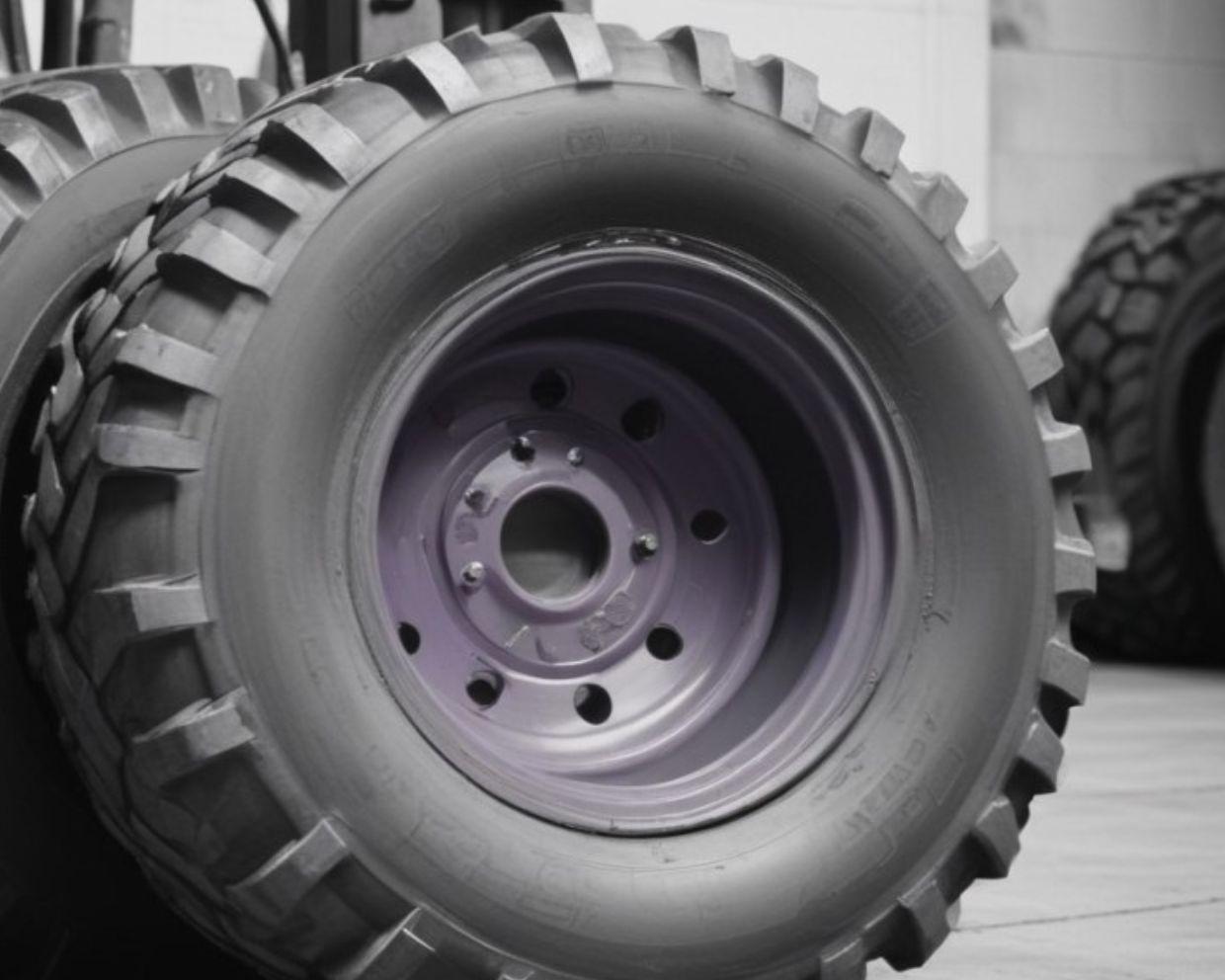
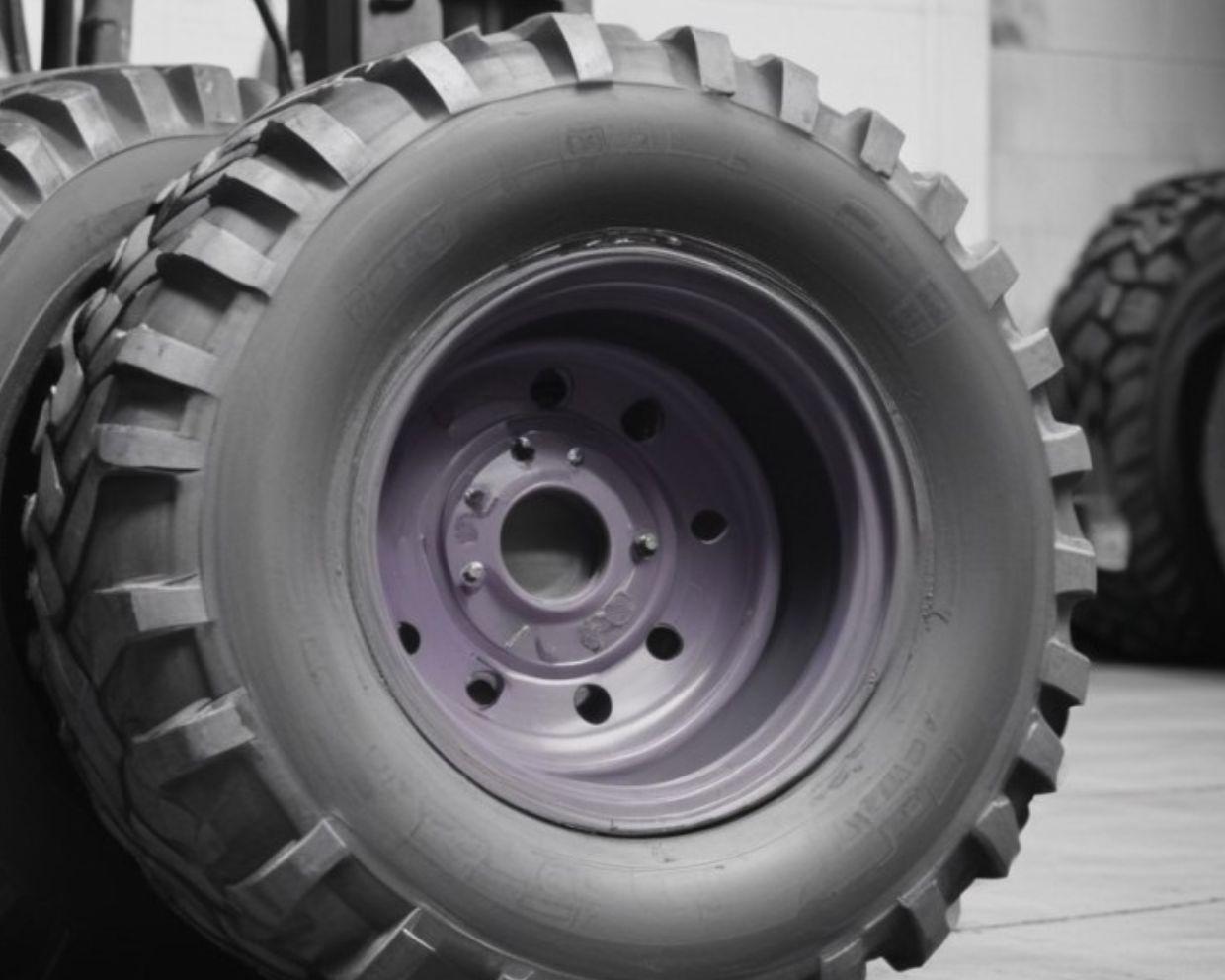
Using the right forklift tyre is essential for ensuring safety, performance, and cost efficiency in your workplace. The correct tyre type can significantly impact how your forklift handles, especially when operating across different surfaces, from smooth indoor warehouse floors to rugged outdoor sites.
Selecting the right tyres is not just about traction and durability. It also affects operator comfort, equipment longevity, and overall productivity.
Why Does Using the Right Forklift Tyre Matter?
Your forklift’s tyres play a vital role in overall efficiency and safety. Using the wrong tyre type for your environment can lead to faster wear, reduced grip, and even safety hazards. Here’s why using the right tyre matters:
- Safety and stability: The right tyre helps prevent slips and tip-overs, maintaining balance even under heavy loads.
- Fuel efficiency and wear: Proper tyres reduce rolling resistance, lowering fuel consumption and extending tyre life.
- Performance on different surfaces: Certain tyres are designed for indoor use, while others perform better outdoors. Matching tyres to surfaces maximises traction and handling.
- Operator comfort and equipment lifespan: Tyres that absorb vibration help reduce operator fatigue and mechanical wear, improving productivity and extending your forklift’s working life.
What Are the Main Types of Forklift Tyres?
Forklift tyres are designed for specific conditions. Understanding the main types will help you make a well-informed decision:
- Pneumatic tyres: These air-filled tyres perform well on uneven and outdoor surfaces. They offer strong traction and cushioning, ideal for construction sites or rough terrain.
- Solid tyres: Made from solid rubber, these are puncture-proof and highly durable, making them perfect for indoor or light outdoor applications where debris may be present.
- Polyurethane tyres: Lightweight, quiet, and smooth, these tyres are ideal for electric forklifts operating on polished warehouse floors. They provide low rolling resistance and excellent energy efficiency.
Linde Material Handling offers a wide range of forklifts engineered to accommodate different tyre types, ensuring durability and reliability across various operating environments.
How to Match the Right Tyre to Your Operation
The right forklift tyre depends on your operating conditions and business needs. Consider the following factors:
- Indoor or outdoor operation: Determine if your forklifts primarily operate indoors on smooth floors or outdoors on rough terrain.
- Load weight and frequency: Heavier loads demand more durable tyres that can handle greater pressure and stress.
- Floor conditions: Assess whether your surfaces are smooth, uneven, or wet, as this will affect traction and wear.
- Operating hours and maintenance goals: High-use forklifts benefit from low-maintenance, long-lasting tyre types.
Which Tyre Is Best for Indoor Use?
For indoor environments like warehouses, solid or polyurethane tyres are most effective.
- Solid tyres offer excellent durability and resistance to punctures.
- Polyurethane tyres provide a smooth, quiet ride with minimal floor wear.
Both options help reduce noise, improve operator comfort, and maintain efficiency on polished concrete or epoxy floors.
Which Tyre Performs Best Outdoors?
When working outdoors or on uneven terrain, pneumatic tyres are the top choice.
- They deliver superior grip and traction on gravel, asphalt, and uneven surfaces.
- The air-filled design offers shock absorption, reducing vibration and increasing operator comfort.
Pneumatic tyres are ideal for construction sites, logistics yards, and outdoor storage areas.
How Often Should Forklift Tyres Be Checked or Replaced?
Regular maintenance is essential for keeping forklifts safe and efficient. Forklift tyres should be inspected frequently for signs of wear and damage, such as:
- Cracks, cuts, or chunking on the surface
- Flattened areas or uneven tread wear
- Reduced traction or decreased stability during operation
As a general rule, tyres should be replaced once the tread depth reaches the manufacturer’s minimum recommendation or when signs of deterioration appear. Linde Material Handling provides expert inspection and replacement services to keep your forklifts performing at their best.
How Can Using Quality Tyres Save Money in the Long Run?
Investing in quality forklift tyres offers long-term financial benefits:
- Lower maintenance costs: Durable tyres minimise downtime and reduce the frequency of replacements.
- Improved operator efficiency: Smooth and stable handling helps operators work faster and more comfortably.
- Extended forklift lifespan: Proper tyres protect critical components from vibration and uneven stress.
Why Choose Linde Material Handling for Forklift Tyres and Support?
Linde Material Handling is a trusted name in forklift technology and after-sales support. Here’s why Australian businesses rely on Linde:
- Expert guidance: Linde specialists help assess your environment and recommend the right tyre for your forklift and workload.
- Wide product range: From electric to diesel forklifts, Linde offers models built for various applications and tyre types.
- Comprehensive support: With national service coverage, Linde ensures your equipment stays safe and productive through regular maintenance and tyre checks.
Using a Forklift Tyre is Crucial
Using the right forklift tyre can make a huge difference in safety, performance, and cost efficiency. Whether you operate in a warehouse or an outdoor worksite, the right tyre ensures smoother operations and better long-term value.
Whether you need expert advice or a full range of high-performance forklift tyres, Linde Material Handling can help. Visit lindemh.com.au to explore our forklifts and service options today.