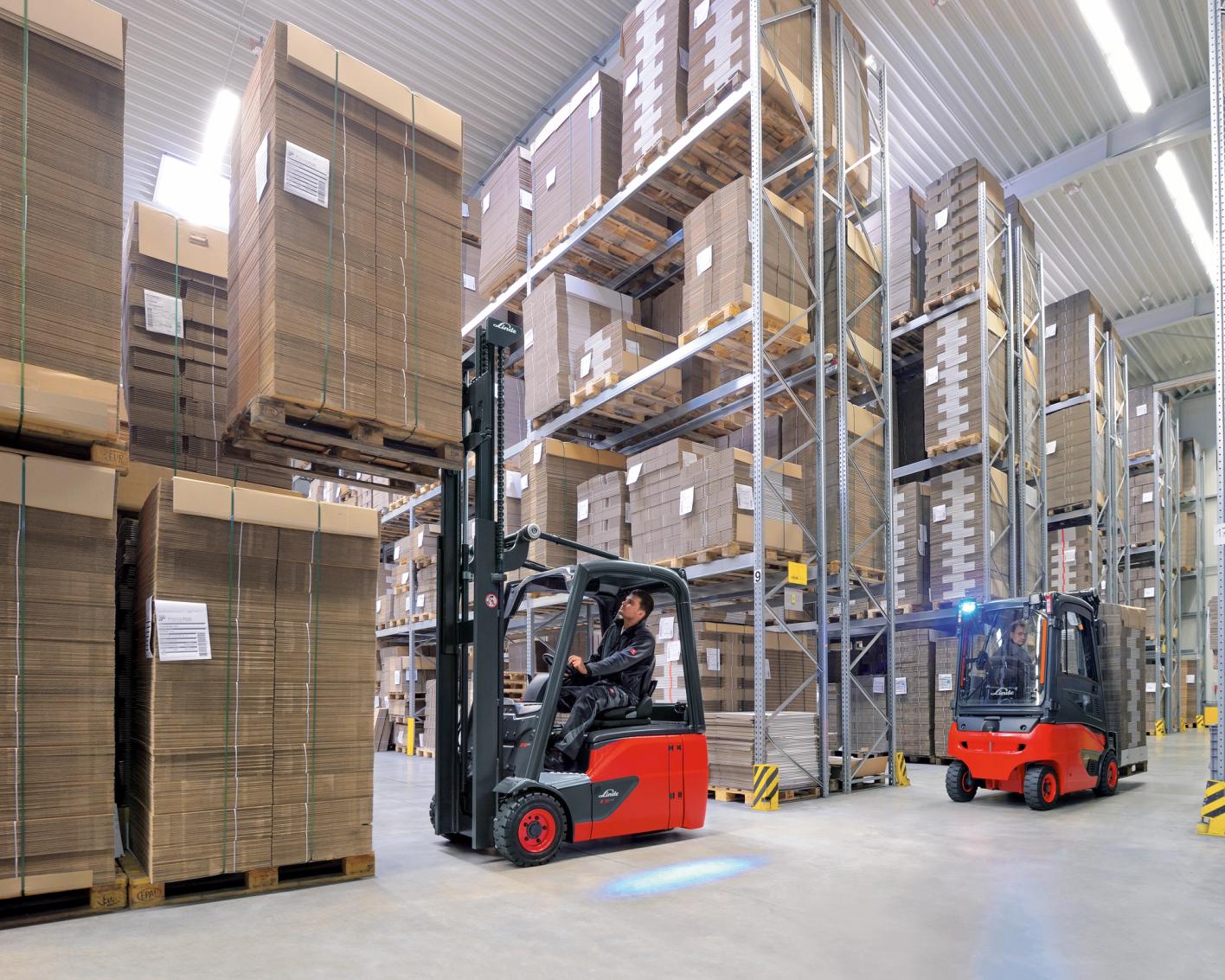
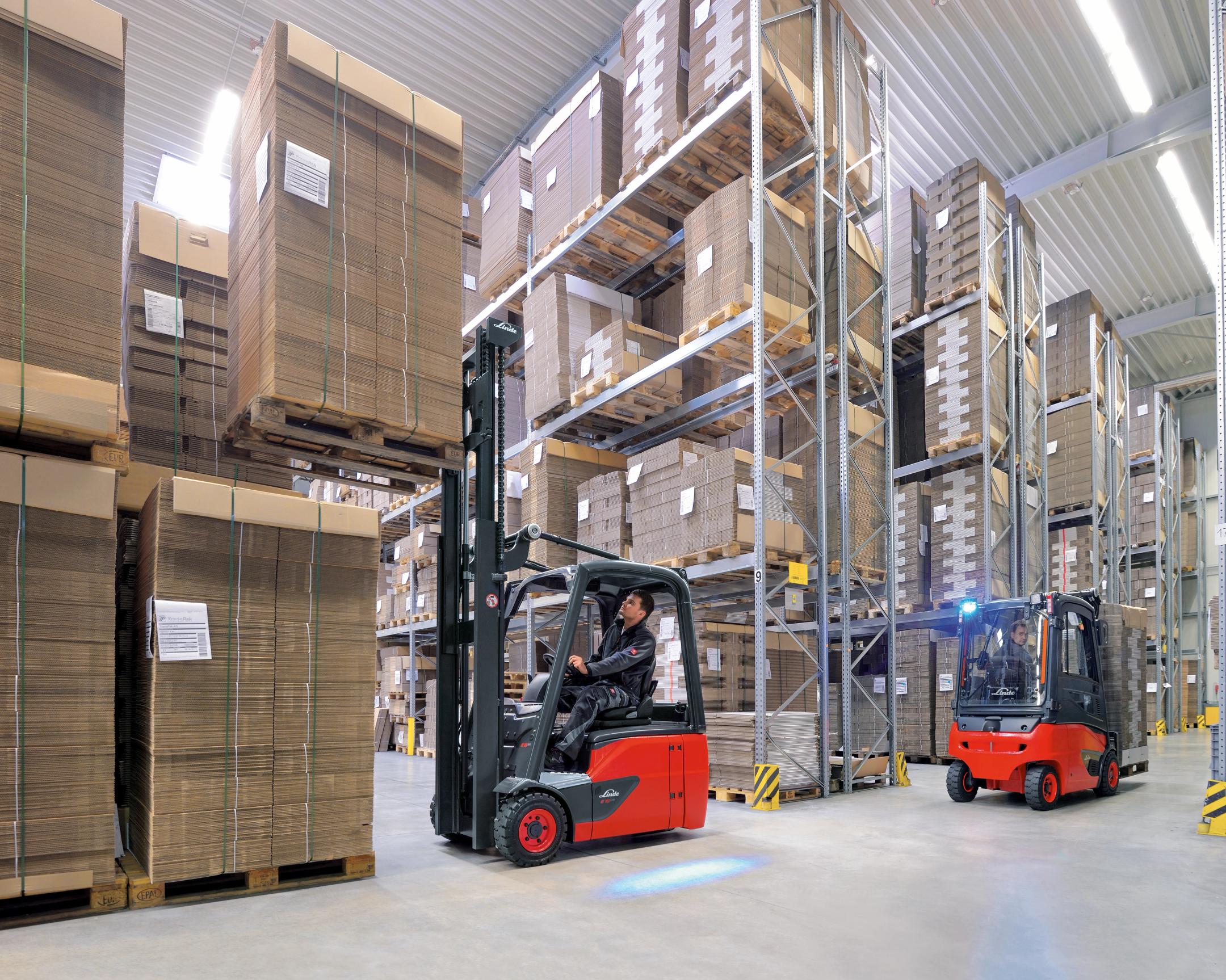
Forklift requirements can change quickly. Workloads fluctuate, projects begin and end, seasonal demand can put extra pressure on warehouses, and equipment may become temporarily unavailable due to servicing or repairs.
For Sydney businesses dealing with these changes, forklift hire Sydney solutions can provide access to additional equipment without requiring the business to purchase another forklift. Depending on the application, hire can provide the flexibility to increase capacity when it is needed and adjust equipment requirements as operations change.
Whether you need a forklift for a temporary project, a seasonal peak or a period of increased workload, the right hire arrangement can help keep your operations moving.
When Does Forklift Hire Make Sense for a Business?
Forklift hire can make sense when your equipment requirements are temporary, variable or difficult to predict. It is not necessarily a better option than buying, particularly when a forklift will be required consistently over the long term. However, hiring can provide useful flexibility when operational requirements change.
Common situations where forklift hire may be appropriate include:
- Seasonal demand: Additional equipment can help manage periods when order volumes or production increase.
- Temporary projects: A project with a defined start and finish date may require extra forklift capacity for a limited period.
- Increased workload: An unexpected increase in activity may require additional forklift trucks before permanent capacity can be assessed.
- Warehouse expansion: New or expanded warehouse space can create temporary equipment requirements while operations settle into their new configuration.
- Equipment replacement: Hiring can provide equipment while an existing forklift is being replaced.
- Short-term capacity requirements: Businesses can supplement their existing fleet when they need additional handling capacity for a specific period.
- Longer-term requirements: Long term forklift hire may be worth considering when equipment is required for an extended period but purchasing is not the preferred option.
The appropriate approach depends on how often the equipment is required, the application and your longer-term operational plans.
How Can Forklift Hire Help Businesses Manage Changing Demand?
The main advantage of hire is flexibility. Instead of permanently increasing your fleet to accommodate a temporary change, you can add equipment around your operational requirements.
For example, a warehouse preparing for a busy period may need additional forklifts for several weeks or months. A business managing a short-term project may also need a particular type of equipment that is not part of its usual fleet.
Forklift rental Sydney solutions can help businesses respond to these situations by providing additional equipment when required.
Forklift hire can support changing demand by:
- Adding equipment during busy periods
- Supporting temporary increases in workload
- Managing short-term projects
- Supplementing an existing fleet
- Avoiding the need to purchase equipment intended for occasional use
- Providing additional capacity while longer-term equipment requirements are assessed
This flexibility can be particularly useful when demand is difficult to predict. Rather than assuming that today's equipment requirements will remain the same, businesses can consider how their fleet needs may change over time.
What Should You Consider Before Hiring a Forklift?
Before arranging forklift hire, it is important to understand exactly what the equipment needs to do. The right forklift should match the loads, environment, working conditions and tasks involved.
Consider the following:
- Load weight and dimensions: Know the maximum load the forklift will need to handle and whether unusual load dimensions affect capacity.
- Lift height: Consider the highest point the load needs to reach, particularly when working with warehouse racking.
- Indoor or outdoor use: The operating environment can influence the most suitable power source and forklift configuration.
- Aisle width and available space: Tight working areas may require equipment designed for more restricted spaces.
- Operating hours: How frequently and for how long the forklift will operate can influence the most suitable equipment.
- Hire duration: Consider whether you need short term forklift hire or a longer arrangement.
- Forklift type: Different forklift trucks are designed for different applications.
- Attachments: Some loads may require an attachment rather than standard forks.
- Servicing and support: Understand how maintenance, repairs and technical support are handled throughout the hire period.
Providing accurate information about your application helps a hire provider recommend equipment that is appropriate for the job. A forklift that is suitable for moving pallets around a warehouse may not be the right choice for handling heavy loads outdoors, for example.
Which Type of Forklift Is Right for Your Application?
The right forklift depends on your specific application, rather than simply the amount of weight you need to lift.
Electric forklifts can be well suited to indoor warehouses and distribution environments where quiet operation and zero tailpipe emissions are important. Depending on the application, electric forklift hire can also provide a suitable option for certain outdoor operations.
IC counterbalance forklifts are versatile machines used for a broad range of loading, unloading and material handling tasks. They can be available with different power sources and capacities to suit different environments.
Reach trucks are designed for warehouse applications involving high-level storage and narrow aisles. Their configuration can make them particularly suitable for operations where available floor space is limited.
Warehouse forklifts and other warehouse equipment can be appropriate for specific transporting, stacking and picking tasks. The right forklift equipment will depend on factors such as available space, load requirements, lift height and the type of work being performed.
How Can Forklift Hire Support Temporary or Changing Operations?
Temporary equipment requirements can arise for many reasons. A business might experience a seasonal peak, take on a short-term project or need additional capacity while existing equipment is unavailable.
Forklifts for hire Sydney businesses may provide additional capacity in situations such as:
- Seasonal peaks in warehousing, retail or distribution
- Short-term construction or infrastructure projects
- Unexpected equipment breakdowns
- Planned maintenance periods
- Temporary warehouse requirements
- Business growth and changing workloads
- Increased production or distribution activity
For example, if an existing forklift is undergoing maintenance, hiring another machine can help maintain material handling capacity while the equipment is unavailable. Similarly, a business testing a new warehouse configuration may prefer to hire equipment while it determines its longer-term requirements.
Linde Material Handling offers short-term forklift hire options designed for situations including temporary workload increases, equipment breakdowns, seasonal peaks and short-term projects.
What Should You Look for in a Forklift Hire Provider in Sydney?
If you're searching ‘forklift hire Sydney’ you should consider, for whichever supplier appears in the results, whether they can provide the right equipment for your application, offer suitable hire terms and deliver reliable servicing and technical support throughout the hire period.
When comparing forklift hire Sydney providers, consider:
- Suitable equipment: Does the provider have equipment that matches your load, environment and application?
- Equipment condition: Is the forklift properly inspected and maintained before it reaches your site?
- Hire terms: Can the hire period accommodate your project or changing requirements?
- Maintenance and servicing: Understand who is responsible for routine servicing and repairs.
- Technical support: Find out what support is available if the equipment develops an issue.
- Delivery arrangements: Confirm how and when the forklift will be delivered to your site.
- Local expertise: A provider with knowledge of Sydney's industrial, warehousing and logistics environments can help you identify suitable equipment.
Linde provides forklift hire and servicing support across Sydney, with local teams supporting businesses across metro areas and Greater Sydney.
How Can Linde Help with Forklift Hire in Sydney?
Linde provides flexible forklift hire options for businesses with different operational requirements, from temporary equipment needs through to longer-term fleet requirements. Its rental range includes engine forklifts, electric forklifts, reach trucks and other warehouse equipment.
If you need additional capacity or are assessing equipment for a changing operation, explore our forklift hire Sydney page to view your options, and discuss your requirements with the Linde team.
What Are the Most Common Questions About Forklift Hire in Sydney?
When should I hire a forklift instead of buying one?
Hire can be worth considering when your forklift requirements are temporary, seasonal or changing. It can also be useful when you need additional capacity for a project, during a period of equipment downtime or while determining your longer-term fleet requirements.
For businesses that need a forklift consistently for many years, purchasing may be more appropriate. The right decision depends on your usage, operational plans and equipment requirements.
Can I hire a forklift for a short-term project?
Yes. Short term forklift hire can support temporary projects, seasonal work and periods when additional capacity is required. Linde offers flexible hire solutions for businesses that need equipment for temporary operational requirements.
What type of forklift should I hire?
The right forklift depends on several factors, including:
- Load weight and dimensions
- Required lift height
- Operating environment
- Available aisle space
- Operating hours
- Required attachments
- Type of application
A forklift hire provider can assess these requirements and help identify equipment suited to the application.
How much does forklift hire in Sydney cost?
Forklift hire rates vary depending on the forklift type, capacity, hire duration, attachments, delivery requirements and other application-specific factors.
There is no single rate that applies to every hire. Linde provides tailored quotations based on the equipment and requirements of each business.
Can I hire an electric forklift in Sydney?
Yes, electric forklifts are available for hire and may suit applications where quiet operation and zero tailpipe emissions are important. However, suitability depends on factors such as the operating environment, workload, usage patterns and charging requirements.
If you are searching for electric forklift hire, it is important to discuss the application with a specialist so the equipment can be matched to your operational requirements.
Explore Linde's forklift hire options in Sydney and speak with the team about the right equipment for your operation.