Choosing the right forklift hire in Melbourne is rarely as simple as picking whatever unit happens to be available that week. The equipment you hire has a direct effect on how quickly your team moves stock, how often your operation stalls waiting on the wrong machine, and how safely your site runs day-to-day. For Melbourne businesses working across warehousing, logistics and industrial sites, from the western freight corridor through to the south east, keeping pallets moving without blowing the budget is a constant balancing act.
Every operation is different. A cold storage facility has different needs to a construction supplier, and a business scaling up for peak season has different needs to one running a single site year-round. Getting the hire decision right starts well before you pick up the phone. It starts with understanding your own operation.
Understand Your Operational Requirements
Before comparing forklift hire Melbourne providers or price lists, it helps to get specific about what your operation actually needs. Making a hire based on what is sitting in a supplier's yard, or picking the cheapest option on offer, tends to cost more in the long run through downtime, inefficiency or equipment that simply cannot do the job.
When we talk to businesses about Melbourne forklift hire, we usually work through the same set of questions:
- What is the maximum load weight and pallet size you need to lift, including any peak loads?
- How high do you need to lift, and does that change across different areas of the site?
- Will the forklift work indoors, outdoors, or move between both?
- What is your aisle width and overall warehouse layout, since tight aisles rule out some equipment entirely?
- How often will the forklift be in use: a few hours a week, or multiple shifts a day?
- Are there industry-specific requirements, such as food safety standards in cold storage or spark-proof equipment in hazardous environments?
Answering these questions first means you are comparing hire options against your actual requirements, not the other way around.
Decide Whether Hiring Is the Right Solution
Buying equipment outright is not always the right call, and hiring can offer more flexibility depending on what is driving the need. We tend to see businesses turn to forklifts for hire in Melbourne for situations like:
- Short-term projects, with a defined start and end date
- Seasonal demand, such as retail peaks over Christmas or produce season in agriculture
- Temporary business growth while you assess whether a permanent fleet increase makes sense
- Equipment breakdowns, where a hire unit keeps operations running while your own forklift is repaired
- Reducing upfront capital investment, particularly for businesses that would rather put cash into stock or staff rather than equipment
- Access to newer, well-maintained equipment without carrying the long-term ownership and depreciation costs
Hiring is not a lesser option to owning. For a lot of operations, it is simply the more efficient one.
Match the Right Equipment to Your Operational Needs
There is no single forklift that suits every job. Rather than listing specifications for every machine in our fleet, it is more useful to think about equipment selection in terms of what your operation is actually doing.
Consider Your Working Environment
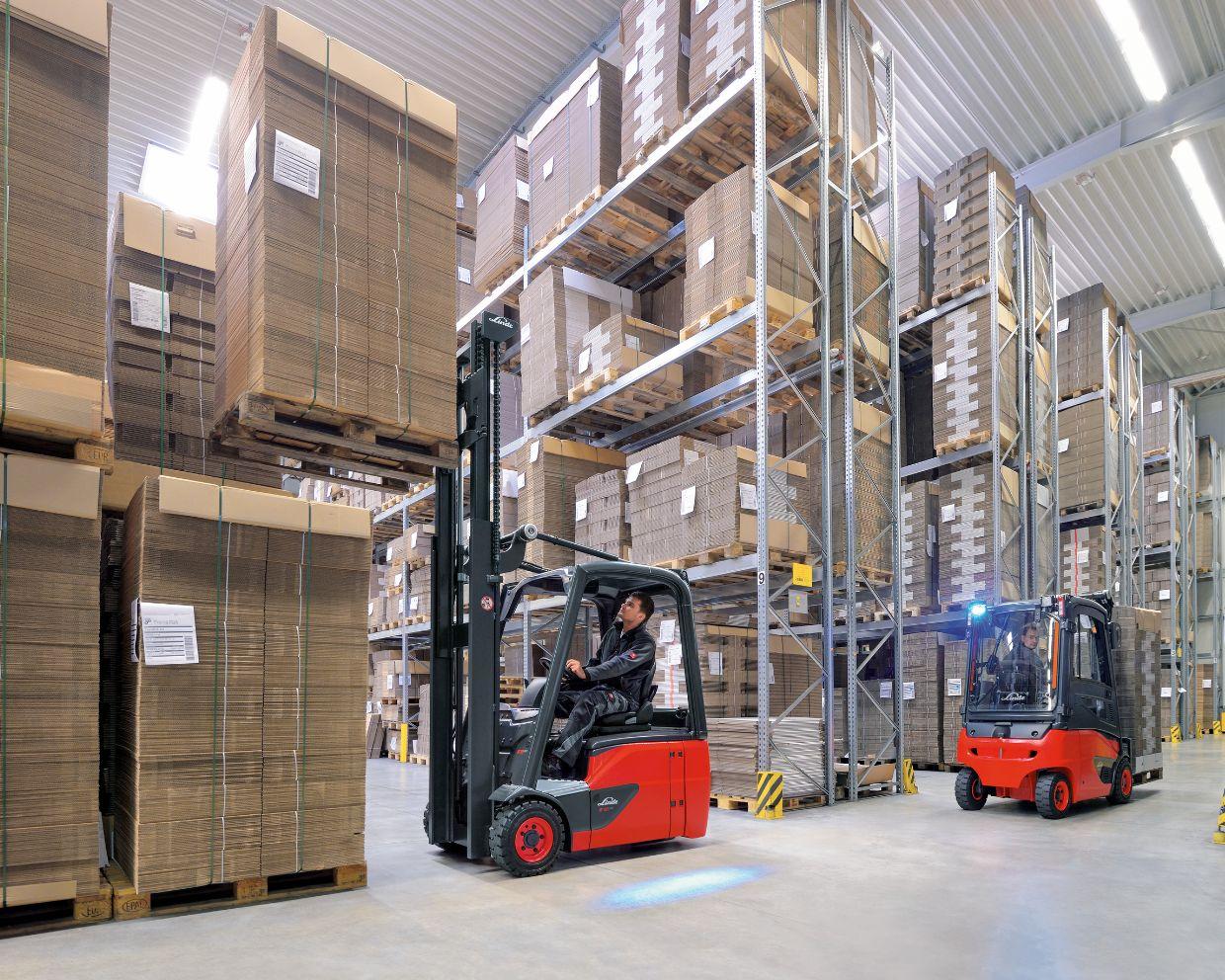
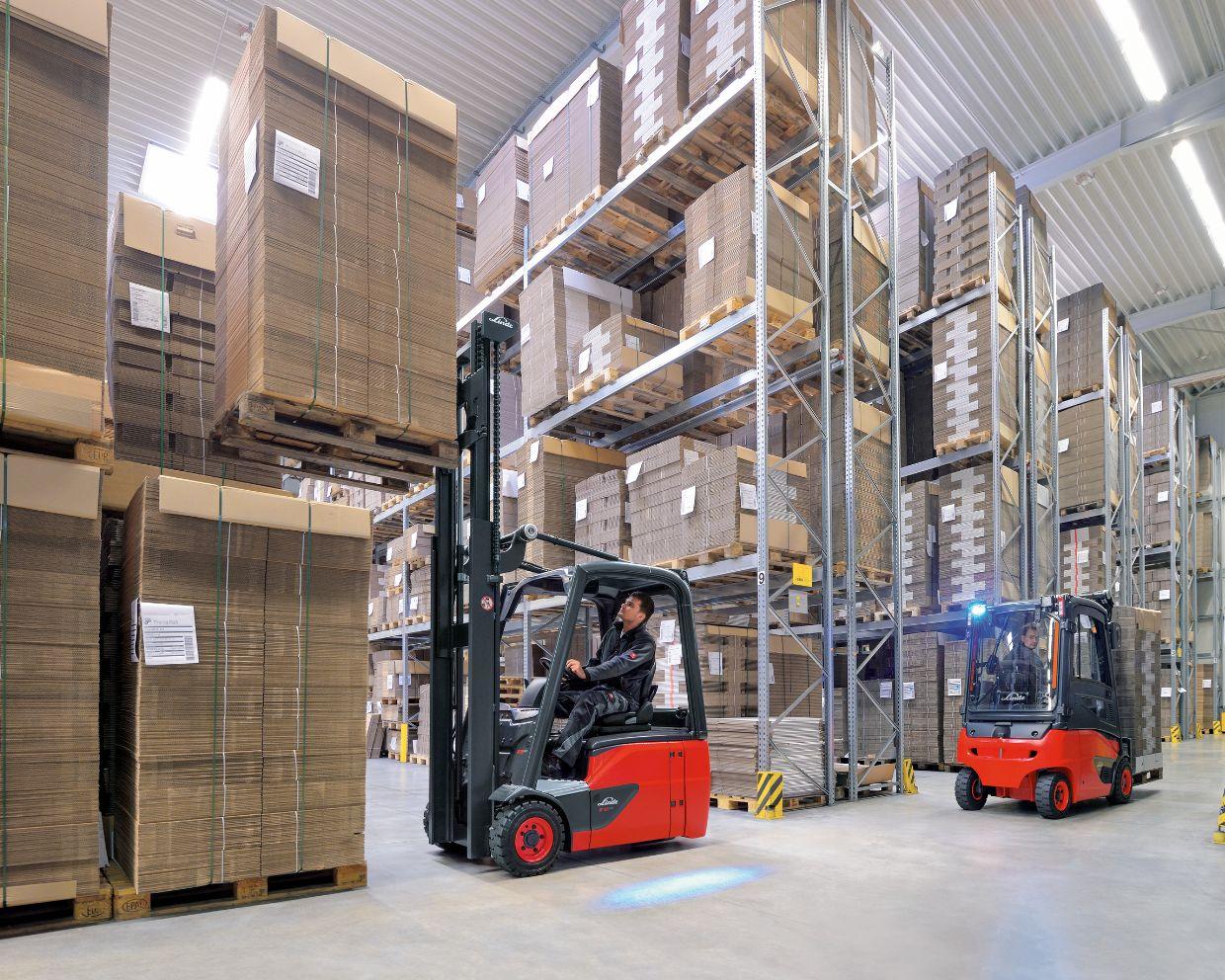
If you are working indoors, an electric forklift is usually the better fit. Electric units produce no exhaust emissions, run quieter than internal combustion equipment, and cost less to run day to day, which matters if you are operating in an enclosed warehouse or a temperature-controlled facility. Electric forklift hire Melbourne options have become far more common as more sites move toward all-electric fleets.
If your operation spans both indoor and outdoor areas, or you are working on rougher ground, an engine-powered counterbalance forklift with the right tyres and power source might be better suited. Counterbalance forklifts are also a common choice where you need a versatile, all-purpose unit that can handle a range of tasks without switching equipment.
Consider Warehouse Layout and Lift Height
Warehouse design has a direct effect on which forklift will actually work on your site. If you are racking stock at height, a standard counterbalance forklift may not reach far enough, and a high reach forklift built for narrow aisles and taller racking becomes the more practical option. Getting this wrong means either wasted vertical storage space or a forklift that cannot safely reach the top of your racking.
Consider Your Material Handling Tasks
Not every task calls for a full-size forklift. An order picker is built for retrieving individual items from racking, which suits operations with high order volumes and smaller pick sizes. A walkie stacker is a compact option for lower-level stacking in tighter spaces, often used where a full forklift would be oversized for the job. Pallet jacks handle simple, short-distance pallet movement, which can be more efficient than tying up a forklift for basic tasks. Bringing in the right combination of equipment, rather than relying on one machine for every job, tends to make the whole operation run more smoothly.
Consider Hire Duration and Future Operational Needs
How long you hire matters, just as much as what you hire. Matching the hire period to your actual need helps avoid paying for equipment you are not using, or scrambling for extra units once demand increases.
- Daily and weekly hire suits short jobs, one-off projects, or covering unexpected downtime
- Long-term hire suits ongoing operational needs where you want the flexibility of hire without a long-term purchase commitment
- Project-based hire works well when you know the job has a fixed timeframe, such as a warehouse relocation or a new site fit-out
- Seasonal demand can be managed by scaling your fleet up before peak periods and back down once they pass
- Fleet scalability means you can add or reduce forklifts as your operational needs change, without being locked into fixed ownership numbers
Planning hire duration properly reduces disruption. You are not stuck waiting on equipment when you need it most, and you are not paying for machines sitting idle.
Choose a Forklift Hire Partner That Supports Your Business
Price matters, but it should not be the only factor. A hire provider that looks cheaper on paper can end up costing more if equipment breaks down and support is slow to respond. Things worth checking before you commit:
- Equipment reliability and how well the fleet is maintained
- Maintenance standards and how quickly issues get resolved
- Local availability, including how close support is to your site
- Technical support and access to people who know the equipment
- Flexible hire options that can adjust as your needs change
- Responsive customer service when something goes wrong
- Industry expertise relevant to your specific operation
We have supported Melbourne forklift hire customers across warehousing, logistics, manufacturing and industrial sites for years, and we know that reliability and fast support matter. A modern, well-maintained fleet backed by local technicians makes a bigger difference to your day-to-day operations.
How the Right Hire Decision Improves Operational Efficiency
Careful planning around forklift hire pays off in ways that go beyond simply having the right machine on site:
- Reduced downtime, since the right equipment is less likely to break down or struggle under the job
- Improved productivity, with tasks completed faster and fewer bottlenecks around material handling
- Better warehouse utilisation, particularly when lift height and reach are matched to your racking
- Safer operations, with equipment suited to the task and the environment it is working in. In 2022, WorkSafe Victoria accepted 142 workers' compensation claims linked to forklift incidents, with the transport, postal and warehousing sector recording the highest number. Choosing the right equipment for the job is one of the more straightforward ways to reduce that risk.
- Lower operating costs, from fuel or charging costs through to reduced wear on equipment used outside its intended purpose
- Greater flexibility as your business needs change, without the cost and commitment of buying new equipment outright
None of this happens by accident. It comes down to understanding your operation and matching equipment, hire duration and support to what you actually need.
Get in Touch
If you are weighing up options for forklift hire for Melbourne in your operation, we at Linde Material Handling Australia are happy to talk it through. Our team can help you work out the right equipment, hire duration and support arrangement for your site, backed by a modern fleet and local technicians across Melbourne.
Frequently Asked Questions
What should I consider before choosing forklift hire in Melbourne?
Start with your operational requirements: load weight, lift height, and whether you are working indoors, outdoors, or both. From there, consider your warehouse layout and aisle width, how often you will use the equipment, and any industry-specific needs. Hire duration matters too. Matching a daily, weekly or long-term hire period to your actual need helps avoid paying for equipment that is sitting idle, or scrambling for more once demand increases.
Is an electric forklift suitable for warehouse operations?
Yes, in most cases an electric forklift is well suited to warehouse operations, particularly indoors or in temperature-controlled environments. Electric forklifts produce no exhaust emissions, run quieter than internal combustion equipment, and generally require less maintenance. They also tend to cost less to run day to day. For operations that split time between indoor and outdoor areas, it is worth discussing your specific site conditions before deciding.
Which forklift is best for high warehouse racking?
A high reach forklift is generally the better choice for high warehouse racking, since it is built to operate safely in narrow aisles and reach taller storage heights than a standard counterbalance forklift. If your warehouse uses vertical storage to make the most of limited floor space, a high reach forklift lets you access that racking without compromising on lift capacity or safety.
Can I hire other material handling equipment besides forklifts?
Yes. Depending on your operation, equipment such as pallet jacks, walkie stackers and order pickers can be more efficient than a full-size forklift for certain tasks. Pallet jacks suit short-distance pallet movement, walkie stackers work well in tighter spaces for lower-level stacking, and order pickers are built for retrieving individual items from racking in high-volume picking operations.
How do I choose the right forklift hire provider in Melbourne?
Look beyond the hourly rate. Consider equipment quality and how well the fleet is maintained, how quickly the provider can respond with technical support, and whether they have local availability near your site. Industry expertise matters too, since a provider who understands your sector is more likely to recommend the right equipment rather than whatever happens to be available.
Get in touch with a Linde MH forklift hire specialist to discuss your operational requirements, or request a tailored quote at the link below.