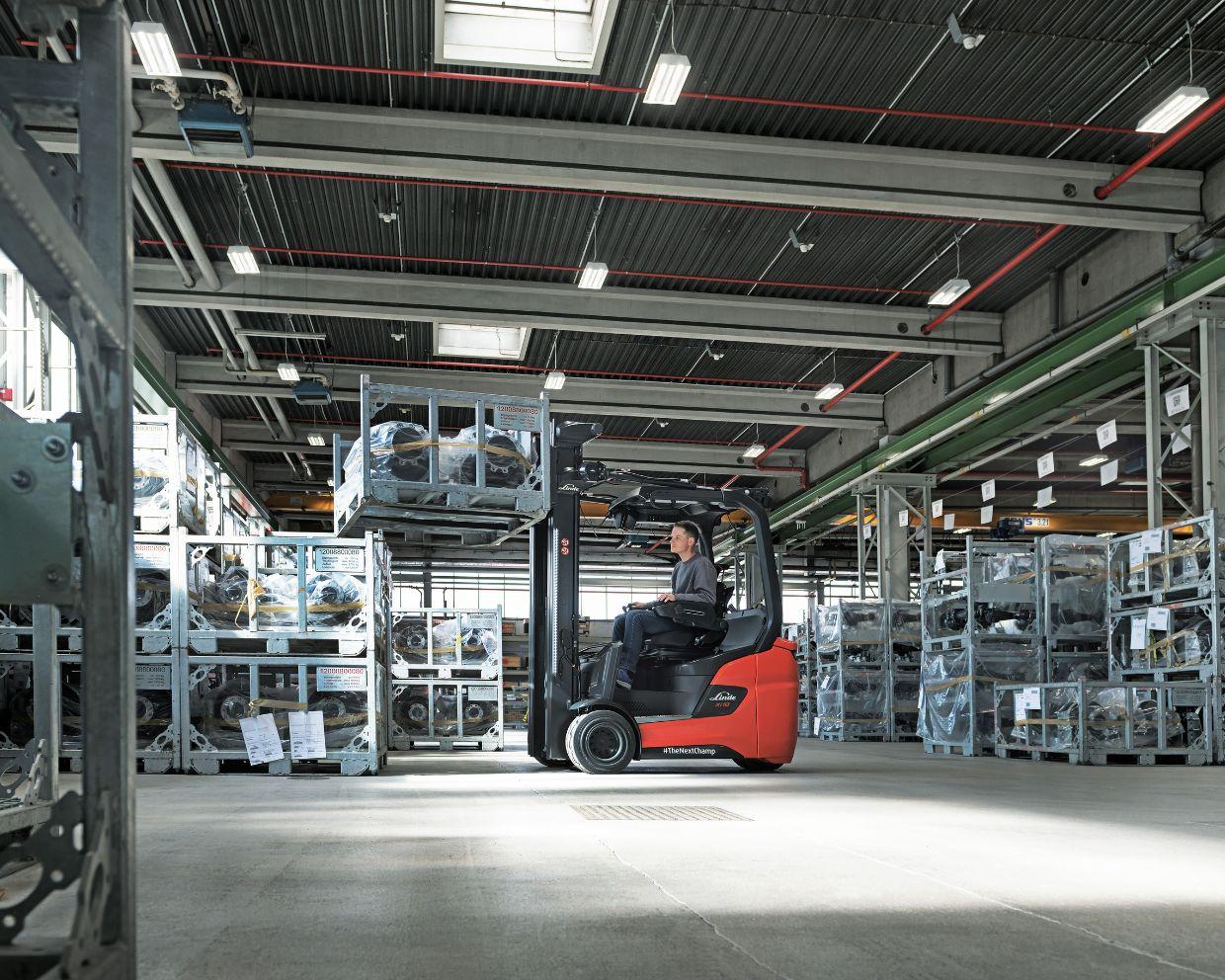
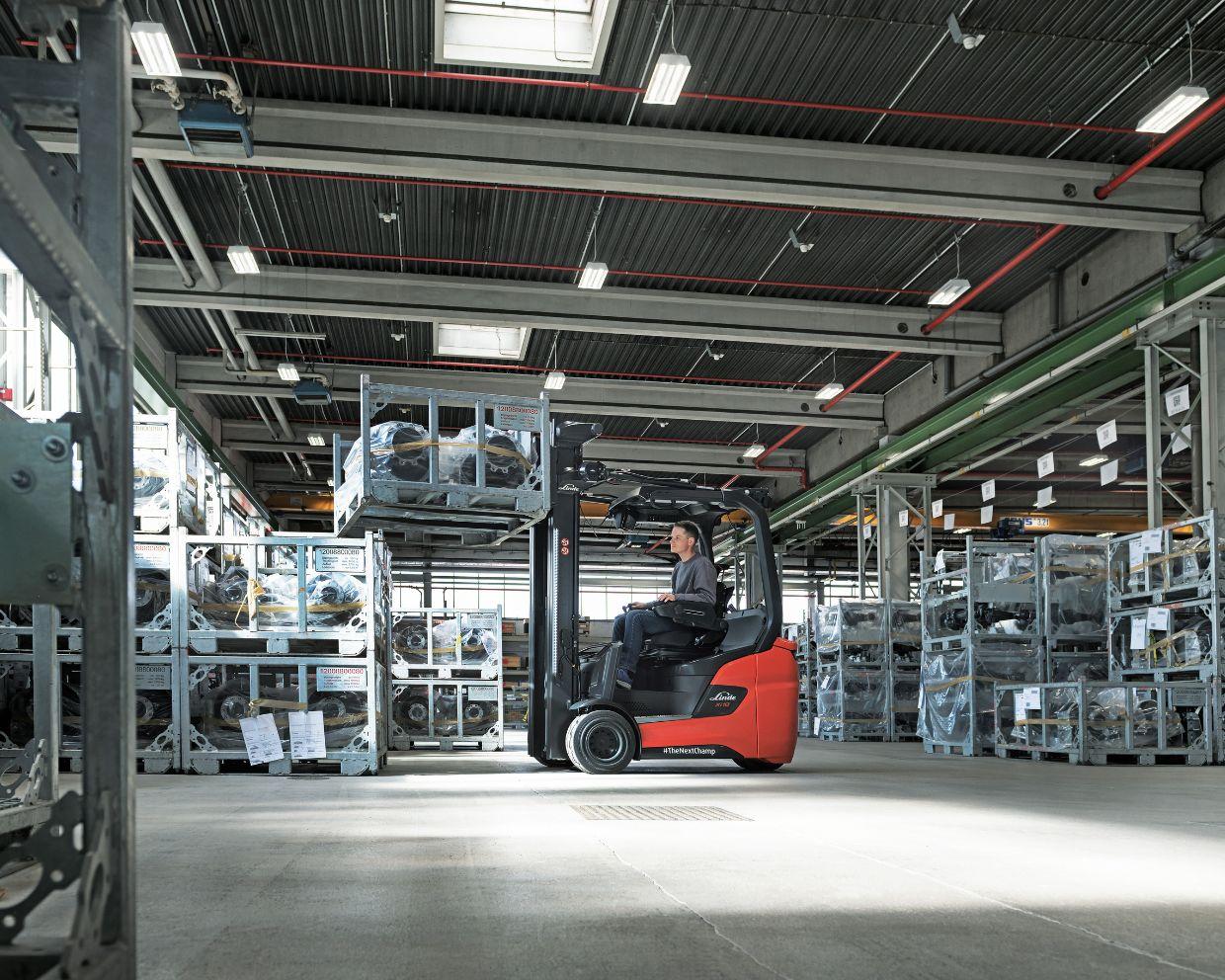
If your business needs to add material handling capacity, whether that's for a new site, a busy season, or a job that's simply outgrown your current equipment, forklift hire in Melbourne is often the quickest way to get moving. But finding a forklift that's available this week isn't the same as finding one that's right for the job.
The forklift you hire needs to handle your actual loads, reach the height your racking demands, and work safely in your particular environment. It needs to suit how often you'll use it, how much room you have to manoeuvre, and whether the job calls for a specific attachment. Get any of that wrong and you end up with a machine that slows your team down rather than speeding them up, or one that simply isn't suited to the task.
This article works through what matters when you're weighing up forklift hire Melbourne options: load and lift height requirements, forklift type, hire duration, safety and maintenance. The aim is to help you go into a hire conversation knowing what your operational needs are, rather than picking from whatever happens to be sitting in a yard that week.
What Should You Consider Before Hiring a Forklift?
Before comparing hire rates or checking what's available, you need a clear picture of what your operation actually requires. That starts with understanding what you're moving and where.
Questions worth working through before you make an enquiry include:
- What are you moving, and does that vary across different tasks or sites?
- What's the maximum load weight you need to handle, including peak loads rather than just averages?
- What are the dimensions of your typical loads?
- How high do you need to lift?
- Will the forklift work indoors, outdoors, or in both environments?
- What are your floor or surface conditions like?
- How much space do you have to manoeuvre, particularly in aisles or loading areas?
- What are your operating hours, and how often will the forklift actually be in use?
- How long do you expect to need the equipment for?
- Will the job require any specific attachments?
- Will you need the forklift to operate in cold store environments?
These types of questions apply to any business hiring a forklift anywhere in Australia. What changes from site to site is the answer, and it's the answer that determines whether a forklift is actually fit for purpose. A machine that's perfectly safe and efficient in one warehouse can be the wrong choice entirely in another, simply because the racking is taller, the aisles are narrower, or the loads are heavier than what it's rated for.
What Forklift Capacity Do You Need?
It's tempting to size a forklift around the average weight of what you're lifting, but that's rarely enough on its own. Rated capacity depends on more than maximum load weight. It's also shaped by:
- Load centre, meaning how far the centre of gravity of your load sits from the front of the forks
- Load dimensions, since bulky or unevenly balanced loads behave differently to compact palletised goods
- Lift height, as capacity typically decreases the higher a load is raised
- Mast configuration
- Any attachments fitted to the forklift
A forklift's rated capacity can shift considerably depending on how it's configured and what it's doing at the time. A truck rated to lift a certain weight at ground level won't necessarily lift that same weight safely at full mast height, or with an attachment fitted. This is why we'd rather talk through your specific loads and conditions than quote a generic capacity figure that may not hold up once it's applied to your actual operation.
How High Do You Need the Forklift to Lift?
Lift height is often decided by your racking rather than your loads. Before settling on a forklift, it helps to think through:
- The height of your racking, including your highest storage level
- Whether you're stacking product directly or placing it into racking
- Mast configuration, since different masts reach different heights with different amounts of free lift
- Ceiling clearance in your facility
- Any overhead obstructions, such as sprinkler systems, lighting or beams
Lift height shouldn't be considered in isolation. It works alongside load capacity and your operating environment, since a forklift capable of reaching your top racking level with a light load may not be able to do so safely with a heavier one. Working through lift height and capacity together, rather than one at a time, gives a more realistic picture of what equipment will actually suit your site.
Which Type of Forklift Is Right for Your Operation?
The right forklift type depends on your application, your operating environment and what you're actually trying to move. Broadly, businesses hiring in Melbourne are usually choosing between electric forklifts, internal combustion forklifts, reach trucks and, depending on the task, more specialised equipment.
There's no single answer that applies across every warehouse or site. The following sections work through where each type tends to be a good fit, so you've got a starting point for the conversation rather than a full product catalogue to wade through.
When Is an Electric Forklift Suitable?
Electric forklifts tend to suit indoor environments, particularly where ventilation is limited or where noise is a factor. Because they don't produce exhaust emissions, they're commonly used in enclosed warehouses, food storage and other spaces where air quality matters.
Things worth thinking through when considering an electric forklift include:
- Whether emissions are a concern in your working environment
- How much noise is acceptable on site
- The manoeuvrability you need, since electric units are often well suited to tighter spaces
- Whether your operation is mostly indoors, mostly outdoors, or a mix of both
- Your charging setup and whether you have the infrastructure and downtime to support it (downtime in relation to hiring a lead-acid battery powered forklift)
- Expected usage, since charging schedules need to line up with how many hours a day the forklift will run
Electric isn't automatically the better option in every case. Internal combustion equipment still has a role in outdoor work, rough terrain, or applications where extended run time without charging matters more than emissions or noise. It comes down to what suits your site. If you’re searching for “electric forklift hire in Melbourne” take a look at our electric forklift range to see what we have available.
When Might a Reach Truck Be the Right Choice?
Reach trucks are generally suited to warehouse operations involving racking and narrower aisles, where a standard counterbalance forklift would need more room to manoeuvre than the space allows. If your business is working with high-bay storage or trying to make better use of limited floor space, a reach truck is often the more practical option for the job rather than a specific model choice.
The decision usually comes down to the application: how tall your racking is, how tight your aisles are, and how much of your operation depends on accessing stock at height. Our reach truck range is worth a look if this sounds like your setup.
How Can Choosing the Right Forklift Improve Operational Efficiency?
The forklift you choose should support the way your business actually moves and handles materials. Equipment that's matched to your application can make a genuine difference to how your operation runs day to day.
Choosing the right equipment has an effect on:
- How efficiently materials move through your site
- Overall workflow and how much time is lost waiting on equipment
- Manoeuvrability in your specific aisles, loading bays and storage areas
- How loads are handled, including whether you need particular attachments
- How well your equipment is actually utilised, rather than sitting idle or overworked
- Your ability to add temporary capacity when needed
- How you manage seasonal demand
- Whether you can take on short-term projects without disrupting your regular operation
We're not going to claim a specific percentage productivity gain or dollar figure in savings, because that depends entirely on your operation, your current equipment and how the hire is managed. What we can say is that equipment mismatched to the job tends to create friction, whether that's slower load handling, more frequent stops, or workarounds that shouldn't be necessary in the first place.
Can Forklift Hire Help Businesses Manage Changing Demand?
Hiring can offer flexibility for businesses dealing with demand that doesn't stay constant throughout the year. Common situations where hire tends to come up include:
- Seasonal peaks, such as retail periods or harvest season
- Temporary projects with a defined start and end date
- Unexpected increases in workload that weren't part of the original plan
- Changes to your warehouse layout or operations
- Needing temporary equipment while your own forklift is being repaired or serviced
- Operational requirements that shift as your business grows or changes direction
The value here is in flexibility and planning, being able to scale equipment up or down as circumstances change, rather than a blanket claim that hiring is always more cost-effective than owning. Whether hire makes sense financially depends on your specific situation, which is worth working through properly rather than assuming one way or the other.
How Can the Right Forklift Support Warehouse Efficiency?
Selecting equipment that matches your application helps you think practically about how your warehouse operates. That includes:
- Manoeuvrability within your existing aisle widths and storage layout
- How loads move from receiving through to storage and dispatch
- Travel requirements across your site
- Whether your equipment can properly reach your racking
- General workflow, including how tasks are sequenced
- How consistently your equipment gets used across a shift or a week
We're deliberately steering clear of specific return-on-investment claims here, since the impact depends on your current setup and how the equipment is deployed. What's clear is that equipment suited to your layout and workflow tends to create fewer bottlenecks than equipment that isn't.
What Material Handling Equipment Might Your Business Need?
Forklifts are usually one part of a broader material handling operation rather than the whole picture. The equipment that suits your business depends on:
- The type of load you're handling
- Your facility layout
- Lifting requirements, including height and weight
- How materials need to move around your site
- Your operating environment, indoors, outdoors or both
This isn't meant to cover every category of material handling equipment on the market. The point is that forklift selection often sits alongside decisions about other equipment, and it's worth thinking about your material handling needs as a whole rather than in isolation.
When Might Forklift Attachments Be Useful?
Attachments can allow a forklift to handle load types or tasks that standard forks aren't suited to, whether that's non-palletised loads, drums, rolls or other irregular items. Before adding an attachment to a hire, it's worth considering:
- What load type the attachment needs to handle
- Whether the attachment is compatible with the specific forklift being hired
- How the attachment affects rated capacity
- What the overall equipment configuration looks like once the attachment is fitted
- Manufacturer recommendations for that particular combination of forklift and attachment
It's worth being clear that attachments can change a forklift's rated capacity and how it handles, sometimes significantly. A forklift that's rated to lift a certain weight with standard forks may have a reduced capacity once an attachment is fitted, so this needs to be factored into your planning rather than treated as an afterthought. If you're unsure what's compatible with your application, it's worth discussing with your hire provider before you commit. You can see the broader range of equipment we work with across our product range.
Should You Hire or Buy a Forklift?
Whether hiring or buying makes more sense depends on your operational and financial circumstances, not on a general rule that applies to every business. Factors worth working through include:
- How much you expect to use the equipment, and how consistently
- How long you actually need it for
- How well-utilised the equipment is likely to be over its life
- Your available capital and what else that capital could be used for
- How much operational flexibility you need
- Maintenance considerations, including who's responsible for servicing
- Whether your business requirements are likely to change in the near term
We're not going to tell you that hiring is always cheaper or always the smarter option, because that isn't necessarily true. It depends on how the equipment will actually be used. The purpose of working through these questions is to help you understand when hiring is worth considering, not to steer you towards it regardless of your situation.
When Does Short-Term Forklift Hire Make Sense?
Short-term hire can suit:
- Temporary projects with a clear end date
- Seasonal demand that doesn't justify a permanent addition to your fleet
- Unexpected increases in workload
- Covering for equipment that's being repaired or serviced
- Needing extra capacity for a specific period without a long-term commitment
When Might Long-Term Forklift Hire Be Appropriate?
Longer-term hire may suit businesses with ongoing equipment needs, particularly where operational or commercial circumstances make hire more practical than a purchase. That could include businesses still working out their long-term equipment strategy, or those that prefer to avoid tying up capital in owned equipment. Whether long-term forklift hire is the right call for your business depends on your specific operational and financial position, which is worth discussing directly rather than assuming from general advice.
What Safety Requirements Should You Consider When Hiring a Forklift?
Safety obligations worth covering before and during a hire include:
- Operator training and authorisation
- Pre-start checks before each shift or use
- Load stability, including correct loading and securing
- Managing pedestrians around forklift operation
- Traffic management within your site
- Visibility, both for the operator and for people working nearby
- Operating surface conditions
- Appropriate operating speed for the environment
- Correct use of any attachments fitted to the forklift
- Following manufacturer instructions for the specific equipment being used
A reminder that a forklift suited to the job on paper can still create risk if it's operated by someone who isn't properly trained, or if it’s used on a surface it wasn't designed for.
What Are the Forklift Operator Requirements in Victoria?
Forklifts are classified as high risk work equipment under Victorian occupational health and safety regulations. This means anyone operating a forklift in a workplace needs to hold a valid high risk work licence issued by WorkSafe Victoria, regardless of how experienced they are or how long they've been operating equipment. The specific licence class depends on the type of forklift: a Class LF licence covers standard counterbalance forklift trucks, while a Class LO licence applies to order picking forklift trucks.
Obtaining a licence involves completing training through a registered training organisation, passing the required assessment, and applying to WorkSafe Victoria with your assessment results. It's worth checking current requirements directly with WorkSafe Victoria before arranging hire, since licensing requirements and processes can be updated.
How Does Forklift Maintenance Support Operational Efficiency?
The condition of a hired forklift matters just as much as its specifications. Equipment that isn't properly maintained is more likely to break down, perform inconsistently, or create safety issues, regardless of how well it was matched to your application in the first place. Maintenance considerations worth understanding as part of any hire include:
- How regularly the equipment is serviced
- What preventative maintenance is carried out between services
- Whether pre-start inspections are built into the operator's routine
- The general condition of the equipment being supplied
- What breakdown support looks like if something goes wrong
- How quickly avoidable disruptions can be resolved
Good maintenance doesn't guarantee zero downtime. Equipment can still fail, and unexpected issues happen even with well-maintained machines. What proper maintenance does is reduce the likelihood of avoidable breakdowns and give you a clearer path to getting the equipment back in action if something does go wrong.
What Should You Look for in a Forklift Hire Provider?
Choosing a forklift hire Melbourne provider is worth thinking through before you're ready to make an enquiry, rather than having to make a quick decision under time pressure when you urgently need the equipment. Things worth considering include:
- Whether the provider can supply equipment suited to your application, not just whatever's available
- The condition of the equipment in their fleet
- Availability, including how quickly they can get equipment to you
- Technical expertise, particularly if your application is more specialised
- How maintenance and servicing are handled during the hire period
- What breakdown support looks like, and how quickly issues get resolved
- Delivery arrangements
- Hire terms, including flexibility if your requirements change partway through
- Whether the provider understands your specific industry or application
A provider that takes the time to understand your application tends to be more useful over the course of a hire than one that simply supplies whatever unit is free that week.
Where Can You Arrange Forklift Hire in Melbourne?
Once you've got a clear picture of your operational requirements, load and lift height needs, forklift type, hire duration and safety considerations, the next step is exploring your hire options with a provider who can match equipment to your application.
We support forklift hire Melbourne businesses with a range of forklifts, reach trucks and other material handling equipment, backed by local servicing and maintenance support. If you'd like to talk through what would suit your operation, our Melbourne hire team can help you work through the details.
What Are the Most Common Questions About Forklift Hire?
How much does it cost to hire a forklift?
Forklift hire costs depend on a range of factors, including the type of forklift, its capacity, hire duration, any attachments required, and delivery arrangements. Rather than quoting a general figure that may not reflect your situation, it's best to check current rates and options directly through our forklift hire Melbourne page.
What type of forklift should I hire?
That depends on what you're moving, how much it weighs, how high you need to lift, your operating environment, the space you have available, and the specific application you're using the forklift for. There's no single answer that applies to every business, which is why it's worth working through your requirements before comparing options.
Can I hire an electric forklift in Melbourne?
Availability depends on the provider and their current fleet at the time of your enquiry. Electric forklifts are commonly available for Melbourne businesses, particularly for indoor applications. Check our Melbourne hire page to explore current electric forklift hire options.
Can I hire a forklift near me?
Proximity is one factor, but it shouldn't be the only one. It's worth also considering whether the provider has the right equipment for your application, their delivery arrangements, and the level of support they offer once the forklift is on site. A provider slightly further away with the right equipment and strong support can be a better choice than the closest option that doesn't quite fit your needs.
How long can I hire a forklift for?
Hire periods vary depending on the provider, the equipment and your specific business requirements, ranging from short daily or weekly hires through to long-term arrangements. It's worth discussing your expected timeframe directly with your provider so the hire period can be matched to your actual need.
Do forklift operators need a licence in Victoria?
Yes. Forklifts are classified as high risk work equipment in Victoria, so operators need to hold a valid high risk work licence issued by WorkSafe Victoria. The licence class depends on the type of forklift being operated. It's worth checking current requirements directly with WorkSafe Victoria before operating hired equipment.
Looking to hire forklift equipment in Melbourne? Click the link below to enquire.