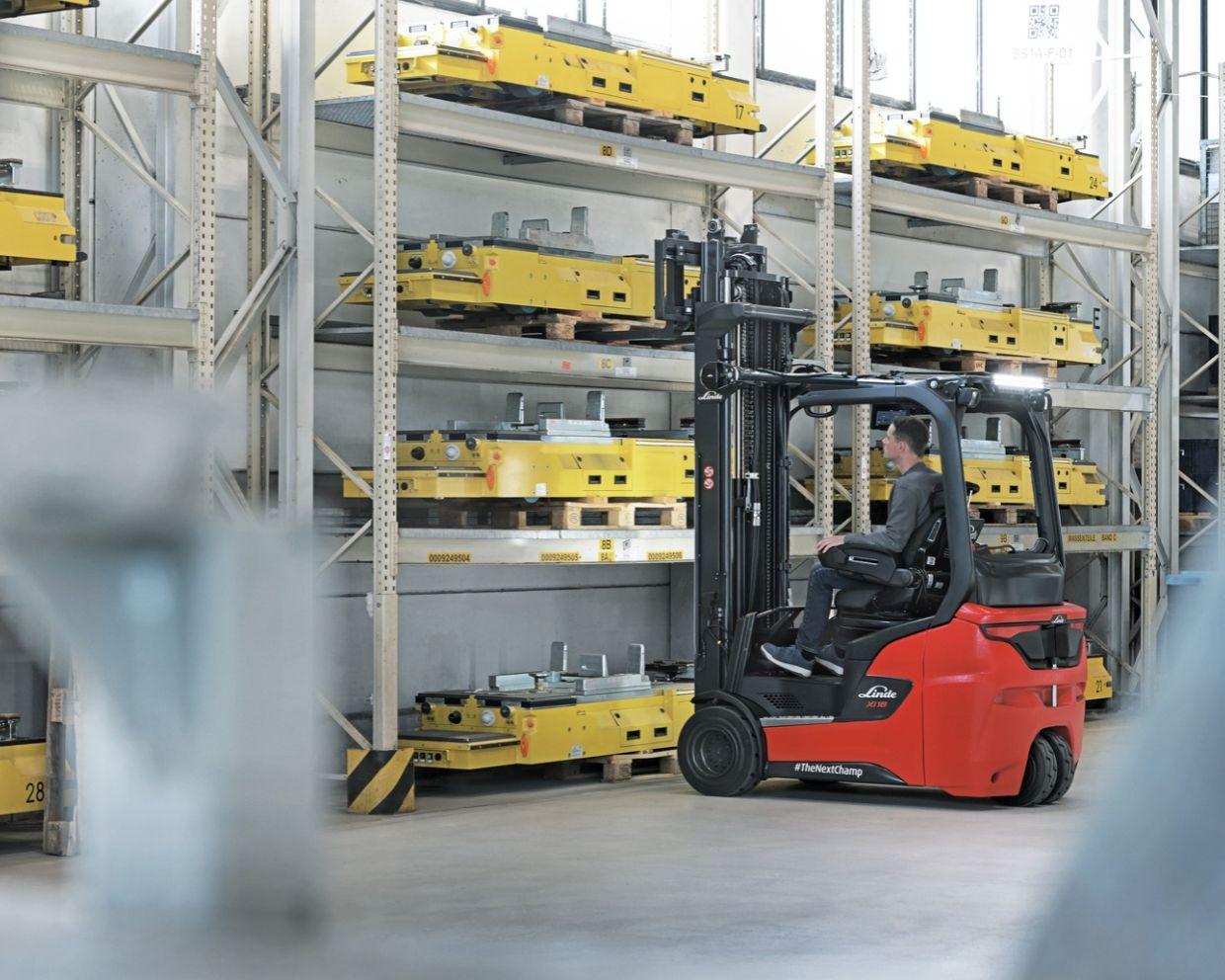
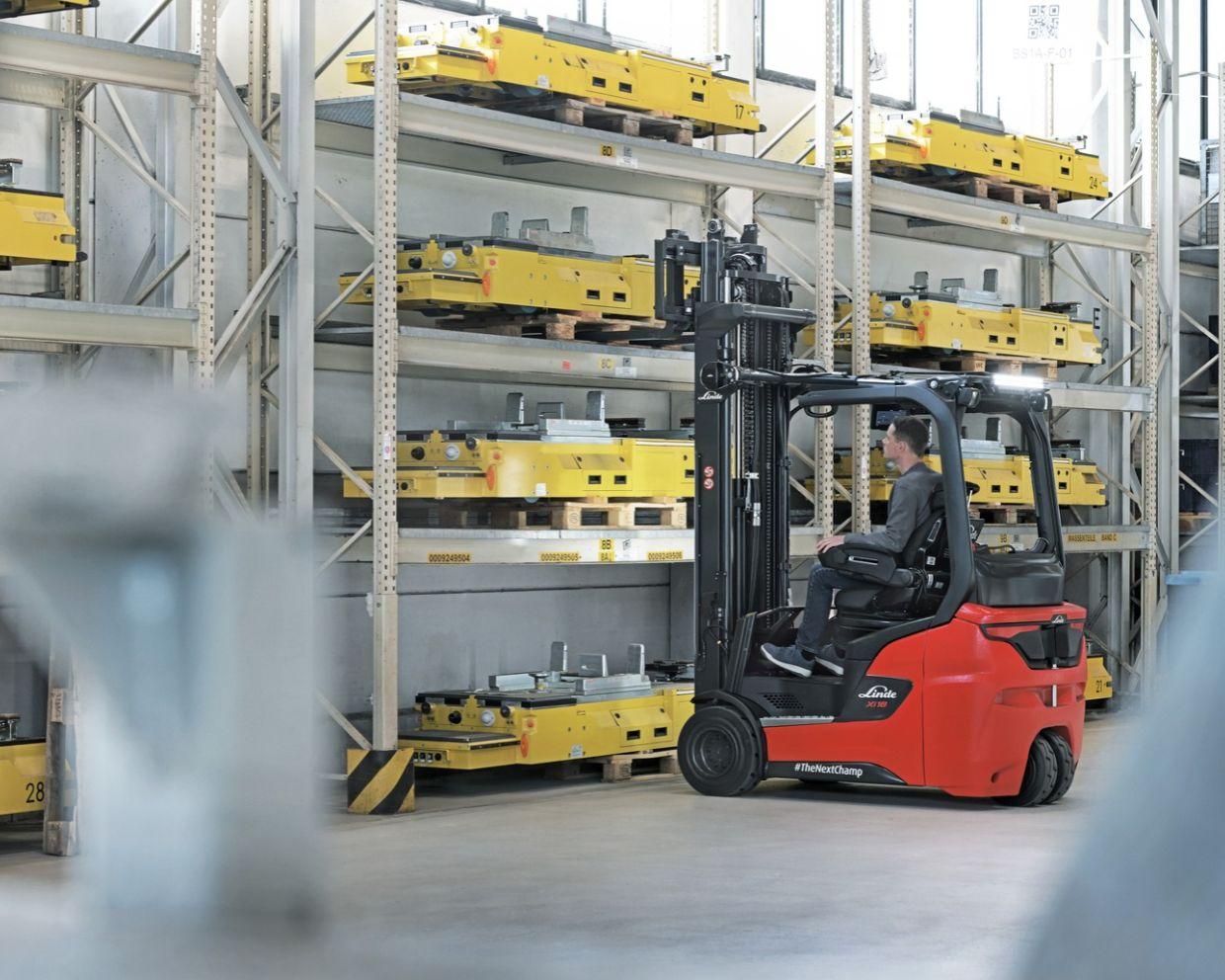
Many Australian businesses don't need a forklift every day of the year. Order volumes spike before Christmas, building projects run for a set number of months, and harvest demands intensive handling for a few short weeks. In each case, forklift hire provides the right equipment for exactly as long as it's needed, without the capital outlay of buying a truck or a fleet. For many, finding a forklift for rent is simply quicker and makes more financial sense than working through a purchase decision.
Why Do Businesses Turn to Forklift Hire for Scalability?
Most businesses turn to forklift hire because their material handling needs don't sit still. A distribution centre might need three extra forklifts for six weeks over the holiday period and none for the rest of the year. Buying enough equipment to cover that peak leaves most of the fleet idle for months.
Project-based work raises a similar problem. A construction site or warehouse fit-out has a start and end date, and a forklift bought for a four-month project must then be resold. Forklift rental avoids that, the truck goes back when the job is done.
Flexible terms also take the guesswork out of fleet size. Businesses can add a truck when volumes climb and hand it back when things quiet down.
Which Industry Sectors Rely Most on Forklift Hire?
Warehousing and Logistics
Order volumes rarely stay flat. Peak trading can push handling requirements well beyond day-to-day capacity, and multi-site businesses often need to move equipment at short notice.
Retail and E-Commerce
Promotional periods and holiday trading force distribution centres to process far more stock. Renting lets these businesses scale up for the weeks that matter, then scale back.
Construction
Projects run on fixed timelines, and the site needs to change from groundwork to fit-out. A rental covers the project's length, with room to swap trucks as conditions shift.
Manufacturing
Production line changes or short-term output increases can call for extra capacity without committing to new equipment. A rented truck also lets manufacturers trial a forklift before deciding to buy.
Agriculture
Harvest demands intensive handling for a few weeks each year. Many agricultural businesses rent forklifts for that period rather than own machines that sit idle for months on end.
Food and Beverage / Cold Storage
These businesses often need forklifts suited to specific operating environments and hygiene requirements, plus extra capacity during seasonal production. The right specification is available without a long-term commitment.
How Does Forklift Hire Support Business Growth?
When a company opens a new site, forklift hire means equipment can be in place quickly, without the approval process a purchase usually requires. That matters when a new warehouse must be operational within weeks.
Growing businesses can also test a location before committing to owned equipment. If a site's volumes turn out higher or lower than expected, the rented fleet can be adjusted without sunk cost.
Specifications change as operations mature. A business might start with counterbalance trucks and later need reach trucks for taller racking. Renting lets businesses change equipment type rather than stay locked in.
What Should Businesses Consider When Choosing Forklift Hire for Their Industry?
A few practical points are worth checking first.
- Load capacity and lift height. The right truck depends on what's being moved and how high it needs to go.
- Operating environment. Warehouse floors, construction sites, cold storage and uneven terrain all call for different equipment.
- Attachments and specifications. Some jobs need clamps, extensions or other attachments to handle loads safely.
- Short term versus long term needs. A four-week job usually suits short term forklift hire, so you only pay for the weeks you need the truck. A twelve-month site operation is better matched to long term forklift hire, which keeps the same truck on site throughout.
- Contract flexibility. Check how easily an agreement can be extended, changed, or scaled up or down.
How Can Linde Support Your Industry's Forklift Hire Needs?
At Linde Material Handling, we offer forklift hire Australia-wide, with a broad selection of forklift and warehouse trucks, with terms matched to short-term projects or longer needs. Our fleet is part of a global Linde network of more than 60,000 rental trucks and accessories, and we provide operator training on this equipment, on-site or through your local Linde service partner.
Explore our rental range at the link below, or get in touch with our team to talk through what your industry needs.
What Are the Most Common Questions About Forklift Hire?
What industries use forklift hire the most?
Warehousing and logistics, retail and e-commerce, construction, manufacturing, agriculture, and food and beverage businesses use it most, because their handling needs shift with the season or the project.
Is forklift hire suitable for short-term projects?
Yes. Short term forklift rental can generally be matched to a project's length, so businesses don't pay for equipment beyond the time they need it.
Can I hire different types of forklifts for different applications?
Yes. Rental fleets typically include a range of forklift types and specifications, from standard counterbalance trucks to equipment suited to cold storage or uneven terrain.
How flexible is forklift hire compared to buying a forklift outright?
Renting avoids the upfront cost of a purchase and can be adjusted as needs change. For an ongoing operation, long term forklift rental also spreads the cost across the term instead of tying up capital. Buying locks a business into one truck.
What is the minimum hire period for a forklift?
With Linde, rental periods typically start from a single day and can run up to twelve months, depending on the equipment and the job.