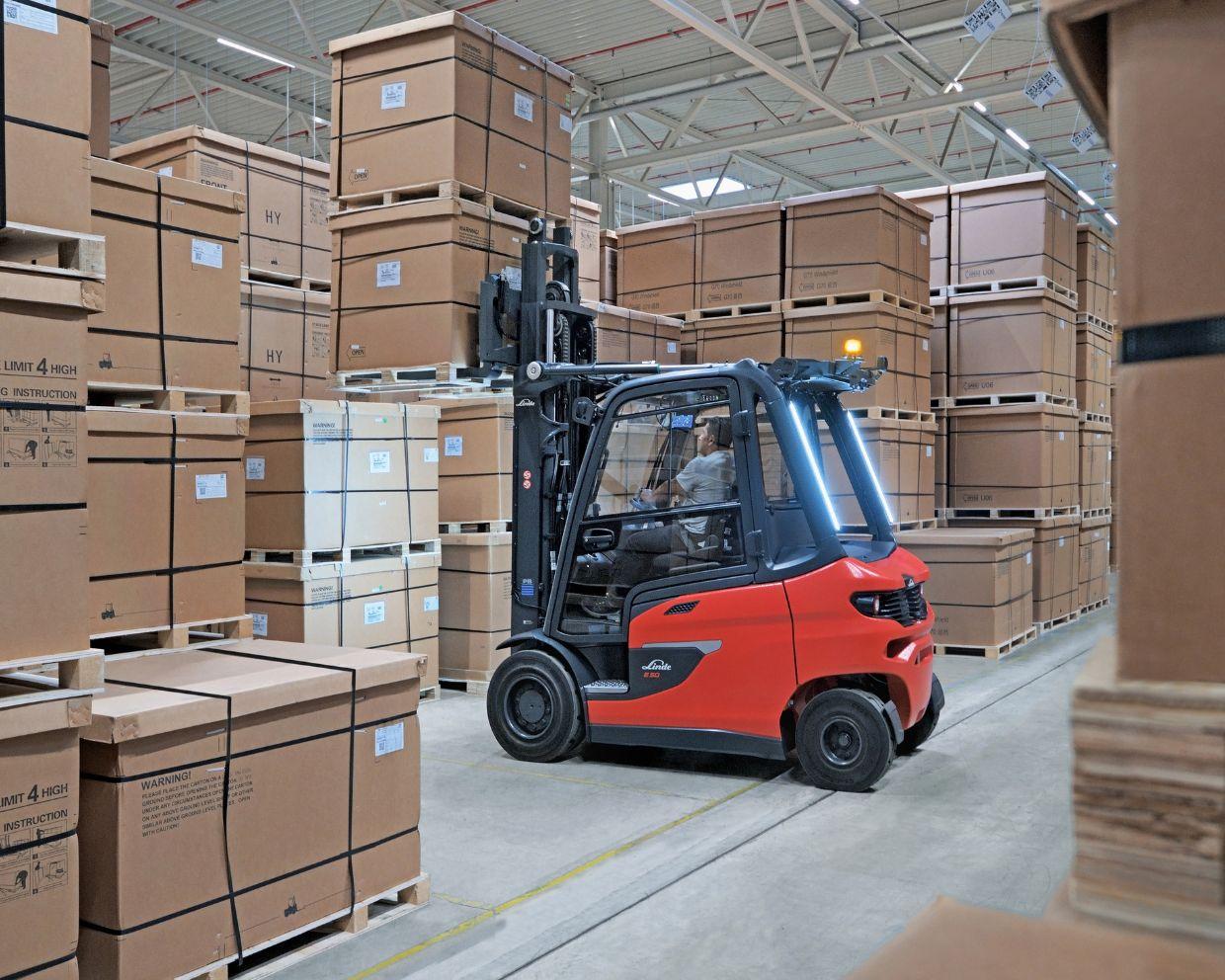
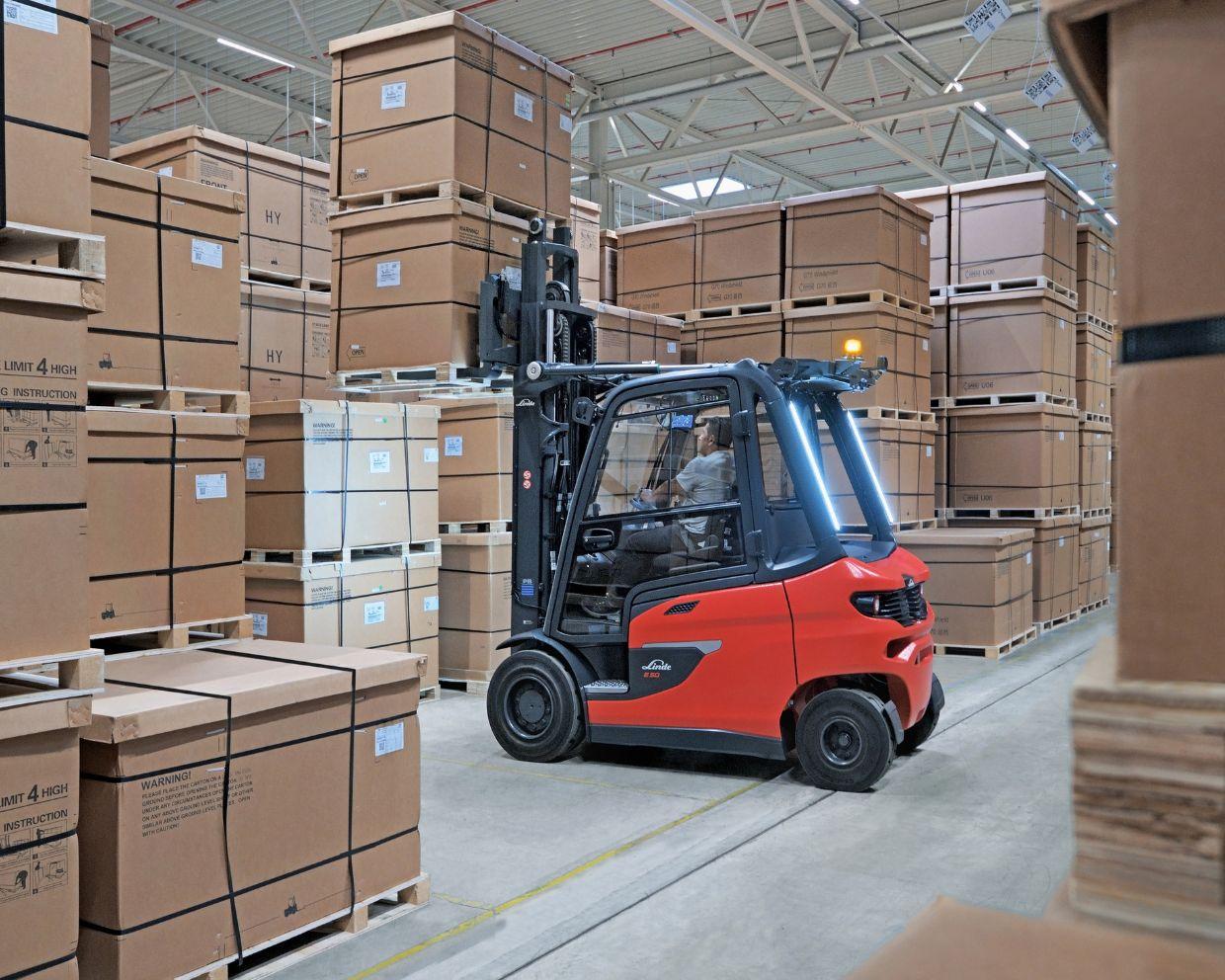
Running a warehouse across two or three shifts puts real pressure on equipment. Forklifts need to be available when operators need them, not sitting idle waiting on power or maintenance. As more Australian businesses plan fleet replacements or set up new distribution sites, electric forklifts are increasingly part of the conversation, thanks to quieter operation and no exhaust fumes to manage indoors.
Whether electric forklifts can actually cope with a demanding, round-the-clock schedule depends on more than the forklift alone. Operating hours, duty cycle, battery capacity and technology, charging requirements, load requirements, the warehouse environment and how operators use the equipment all factor in. This guide works through what to consider when deciding if electric forklifts are a fit for your multi-shift operation.
Can Electric Forklifts Handle Multi-Shift Warehouse Operations?
Yes, electric forklifts can support demanding, multi-shift warehouse operations, provided the equipment, energy system and operating schedule are matched to each other. That's an important caveat. Not every electric forklift on the market is built for continuous multi-shift use, and assuming otherwise can leave a site short on lifting capacity halfway through a shift.
Several factors determine whether a given electric forklift is up to the job:
- Shift length – longer shifts place more demand on both the battery and the operator, and need to be accounted for in equipment selection
- Operating intensity – how hard and how often the forklift is working, not just how many hours it's switched on
- Load requirements – heavier or more frequent loads draw more from the battery and put more strain on the drivetrain
- Travel distances – larger sites or longer runs between pick and drop points add up over a shift
- Frequency of lifting and movement – stop-start work in tight aisles is a different duty cycle to steady travel across open floor space
- Equipment utilisation – how much of each shift the forklift is actually working versus idling
Getting this right at the selection stage is what separates an electric forklift that copes with multi-shift work from one that struggles by the second or third shift.
How Does Battery Technology Affect Electric Forklift Performance?
The battery and energy system is arguably the single biggest factor in whether an electric forklift holds up across multiple shifts. It's worth understanding early, before you're comparing specific models.
Battery capacity determines how much energy is available to the forklift between charges, but capacity alone doesn't tell the full story. Operating hours and duty cycle both influence how quickly that capacity is drawn down. A forklift doing constant, heavy lifting will use its battery faster than one doing lighter, intermittent work, even if both are rated for the same shift length.
Charging requirements need to be planned around how the site actually operates, including:
- How much charging time is realistically available between shifts
- Whether opportunity charging (shorter top-up charges during breaks) suits the battery technology fitted to the forklift
- How the battery is managed day to day, including monitoring charge levels and avoiding patterns that shorten battery life
- What charging infrastructure the site already has, or would need to install
Battery technology varies across the electric forklift range, and the right choice depends on your specific shift pattern and charging setup.
What Should Businesses Consider When Charging Electric Forklifts Across Multiple Shifts?
Charging strategy has to be planned around the warehouse's actual operating schedule, not treated as an afterthought once the forklifts arrive. A site running back-to-back shifts with little downtime needs a different approach to charging than one with a clear overnight gap.
Things worth working through before committing to an electric forklift for warehouse use include:
- Charging infrastructure – what's already installed on site, and what additional infrastructure charging across multiple shifts would require
- Available charging periods – when forklifts can realistically be plugged in without disrupting operations
- Shift patterns – how shifts overlap or hand over, and whether there's a natural window for charging
- Equipment utilisation – how many forklifts are needed at any one time versus how many are on charge
- Battery requirements – matching battery specification to the demands of the role, not just the forklift model
- Charging locations – where charging points sit relative to where forklifts are working
We'd caution against relying on a single stated charging time or run-time figure when planning for multi-shift work. These figures vary depending on the battery fitted, the load, the operating conditions and how the equipment is used, so it's worth looking at your overall operation rather than the forklift's specification sheet in isolation.
How Can Electric Forklifts Support Warehouse Efficiency?
Electric forklifts can support warehouse efficiency in a number of practical ways, though how much of a difference they make depends on the specific operation.
- Manoeuvrability – electric forklifts are generally well suited to working in tighter spaces and narrower aisles
- Noise levels – quieter operation can make a difference in warehouses where forklifts work alongside pedestrian staff
- Emissions – no exhaust emissions make electric forklifts a practical option for enclosed or poorly ventilated indoor spaces
- Consistent performance – electric drivetrains tend to deliver steady power output through a charge cycle
- Suitability for indoor environments – a natural fit for warehouses, cold storage and other enclosed sites
- Energy management – modern battery and charging systems give businesses more visibility over energy use across a fleet
We'd stop short of putting a number on productivity gains or cost savings here. Those figures depend heavily on the site, the fleet and how it's operated, and we'd rather point you towards factors that genuinely apply to your operation than a generic percentage.
What Factors Should You Consider Before Choosing an Electric Forklift?
Choosing the right electric forklift for warehouse use comes down to matching the equipment to your application, not picking based on one standout feature. Before you decide, it's worth working through:
- Load capacity – what you're lifting, and the maximum weight the forklift needs to handle safely
- Lift height – whether your racking or storage setup needs a standard or high-reach configuration
- Operating environment – indoor, outdoor, or a mix, and any specific site conditions
- Shift pattern – single, double or triple shift, and how continuous the work is
- Duty cycle – how intensively the forklift will be used across a typical shift
- Battery requirements – capacity and technology suited to your charging window and workload
- Charging infrastructure – what's needed on site to support your chosen battery and charging approach
- Warehouse layout – aisle widths, travel distances and any tight turning points
- Attachments – any specific attachments required for your load types
- Maintenance and service requirements – ongoing servicing needs and access to support
There's no single electric forklift that suits every warehouse. The right choice comes from matching these factors to your operation, not from choosing the model with the biggest battery on paper.
Are Electric Forklifts Suitable for Every Multi-Shift Operation?
Not automatically. Whether an electric forklift suits your multi-shift operation depends on your specific operating environment and requirements, rather than being a given for every site.
Factors that influence this decision include:
- Duty cycle and how hard the forklift works across a shift
- Total operating hours required per day
- Charging infrastructure, both what exists and what could be added
- Load requirements, including weight and frequency
- Whether the forklift is used indoors, outdoors, or both
- Site conditions, including floor surfaces, ramps and temperature
For many warehouse operations, electric forklifts are a genuinely strong option, particularly where work is largely indoors and there's a workable charging window. For sites with very high duty cycles, limited charging opportunities or demanding outdoor conditions, the right equipment needs to be worked out case by case. Selecting equipment for its specific application, rather than a general category, is what makes the difference.
How Can Linde Help with Electric Forklift Requirements?
If you're weighing up electric forklifts for a multi-shift warehouse, we can help you work through what fits your operation. Linde's electric forklift range covers a variety of applications, from standard counterbalance models to equipment built for tighter, high-density warehouse layouts.
Rather than starting from a spec sheet, it's worth starting from your shift pattern, load requirements and site setup, then working out which electric forklift and battery configuration suits. Explore Linde's electric forklift range here to see the options available for your warehouse and operational requirements.
What Are the Most Common Questions About Electric Forklifts?
Can electric forklifts operate across multiple shifts?
Yes, though it depends on the specific forklift, the battery system fitted, the duty cycle it's being asked to handle, the charging strategy in place and the overall operating requirements of the site. Not every electric forklift is set up for continuous multi-shift work out of the box.
How long can an electric forklift operate?
This varies depending on battery capacity, workload, operating conditions and how the equipment is used day to day. Two forklifts with the same battery rating can run for quite different lengths of time depending on how intensively they're worked, so it's best to look at your specific application rather than a generic runtime figure.
How are electric forklifts charged?
The charging approach depends on the battery technology fitted and how the forklift is configured. Some setups suit standard overnight charging, while others are designed around shorter opportunity charges during shift breaks. What suits your site depends on your charging infrastructure and shift pattern.
Are electric forklifts suitable for warehouses?
For many indoor warehouse applications, yes. Electric forklifts tend to suit enclosed spaces well, with no exhaust emissions to manage and generally quieter operation than internal combustion alternatives. That said, the right equipment still depends on the specific operation, including load requirements, shift pattern and available charging infrastructure.
Ready to find the right electric forklift for your multi-shift warehouse? Click the link below to find one that’s suited to your operation.